
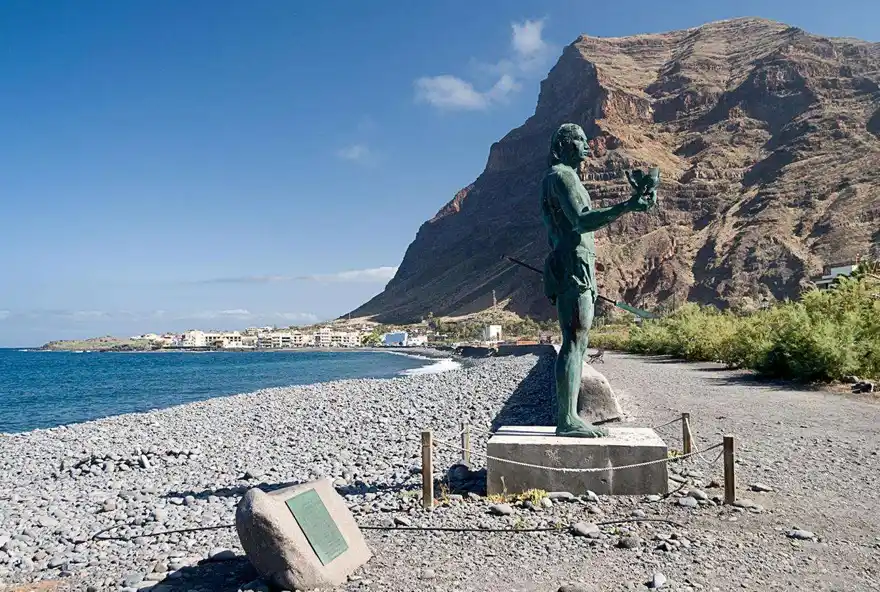
Also known as the Count's Cave or Iballa
La Gomera and the legend of 'The Cave of Iballa'
The Cave of Iballa in La Gomera: History and Legend
A mystical corner where history, forbidden love, and revenge intertwine
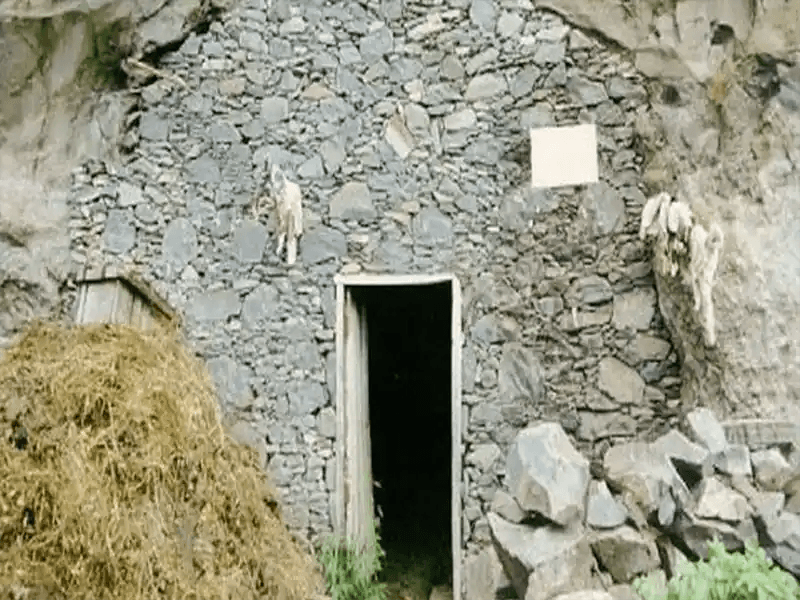
The Iballa's cave , also known as the Count's Cave o Cave of Aguahedún , is one of the most emblematic and mysterious places on the island of La Gomera . Located in the San Sebastián valley, this prehistoric cavity is not only part of the natural heritage of the Canary Islands but also holds a legend deeply rooted in the collective memory of its inhabitants.
Historical origin of the cave of Iballa
This place is linked to one of the darkest episodes of the Castilian conquest of the Canary Islands: the revolt of 1488. At that time, La Gomera was governed by Hernán Peraza, a figure whose ambition and cruelty inspired one of the most fascinating legends of the archipelago.
Peraza, named Lord of the Island by the Crown of Castile, exercised ruthless power over the gomeros. He imposed unfair tributes, ignored their customs, and disrespected their women. His attitude provoked the local population's rejection, especially after his obsession with Iballa , a young priestess dedicated to the god Alcorac.
The forbidden love and betrayal of the Count
According to the legend, Iballa's fate changed when Hernán Peraza saw her walking with her father to the Cave of Aguahedún. Her beauty captivated the Count, who decided to do the impossible to possess her, even if it meant mocking the religion and honor of his people.
To achieve his goal, he used deceit and drugs. One night, he invited the elderly priest Hupalupu to dinner and administered a sleeping substance. As the old man fell asleep, the Count took his horse and rode to the cave hoping to find Iballa. But she, hearing the horse's whinny, came out thinking it was her father... and discovered the deception.
The revenge and the uprising of a people
What began as a seduction attempt led to a popular uprising. Hupalupu, outraged by the affront to his daughter and the faith of his people, decided to act. He gathered local leaders, including Ajeche, Iballa's betrothed, and revealed his plan: to kill the Count and free La Gomera from his oppression.
On a dark and stormy night, the final preparations were made. One of the participants hesitated and was killed out of fear of a possible betrayal. The next day, the revolt broke out, culminating in the death of Hernán Peraza and the rescue of the free spirit of the gomeros.
Why visit the cave of Iballa?
Beyond its archaeological value, this cave represents a symbol of cultural and spiritual resistance. For those seeking to learn about the historical and mythical roots of La Gomera, visiting the cave of Iballa is an unforgettable experience.
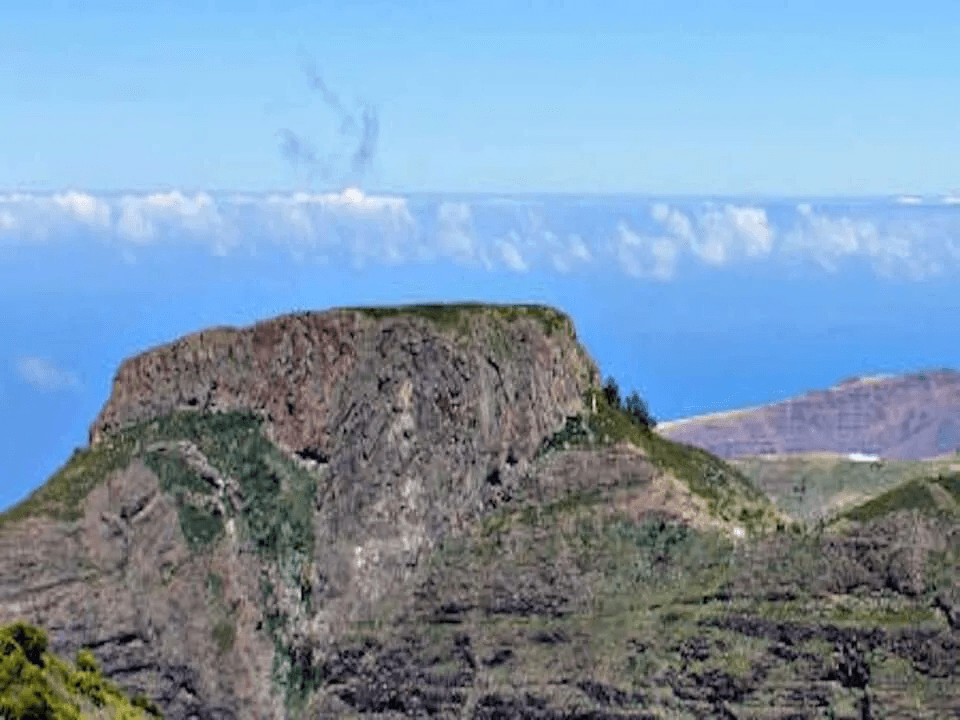
It is located in a privileged natural setting: the Gran Rey valley, where the dense vegetation contrasts with reddish sand beaches and crystal-clear waters. It is an ideal destination for both history lovers and travelers in search of unique landscapes.
Legends of La Gomera: Beyond the cave of Iballa
This story is part of a broader set of Canarian myths that bring life to the ancestral past of the islands. Other legends of La Gomera speak of mystical beings, ancestral rituals, and struggles for freedom. Together, these narratives enrich the cultural identity of one of the most authentic corners of the Canary Archipelago.