
Telde live webcams, Gran Canaria
The island's second city, with beaches like Melenara
Telde Gran Canaria, the island's oldest city between history and coast
Telde is the second most populated municipality in Gran Canaria, with more than 100,000 inhabitants, and the oldest on the island. Before the Castilian conquest, it was the centre of the indigenous kingdom of eastern Gran Canaria and residence of the legendary warrior Doramas. Today it preserves one of the most complete historic centres in the archipelago, with 15th-century colonial quarters still inhabited, top-tier archaeological sites and a coastline of almost 10 kilometres with very varied beaches. It is also the municipality home to the Gran Canaria airport, in the Gando district. webcams of Gran Canaria and check the weather before visiting.
In addition, CanariasLife runs a webcam on the coast of Telde that lets you watch live the state of the sea and the conditions at Playa de Melenara before visiting. It's useful for checking the swell and deciding the best time for swimming or surfing.
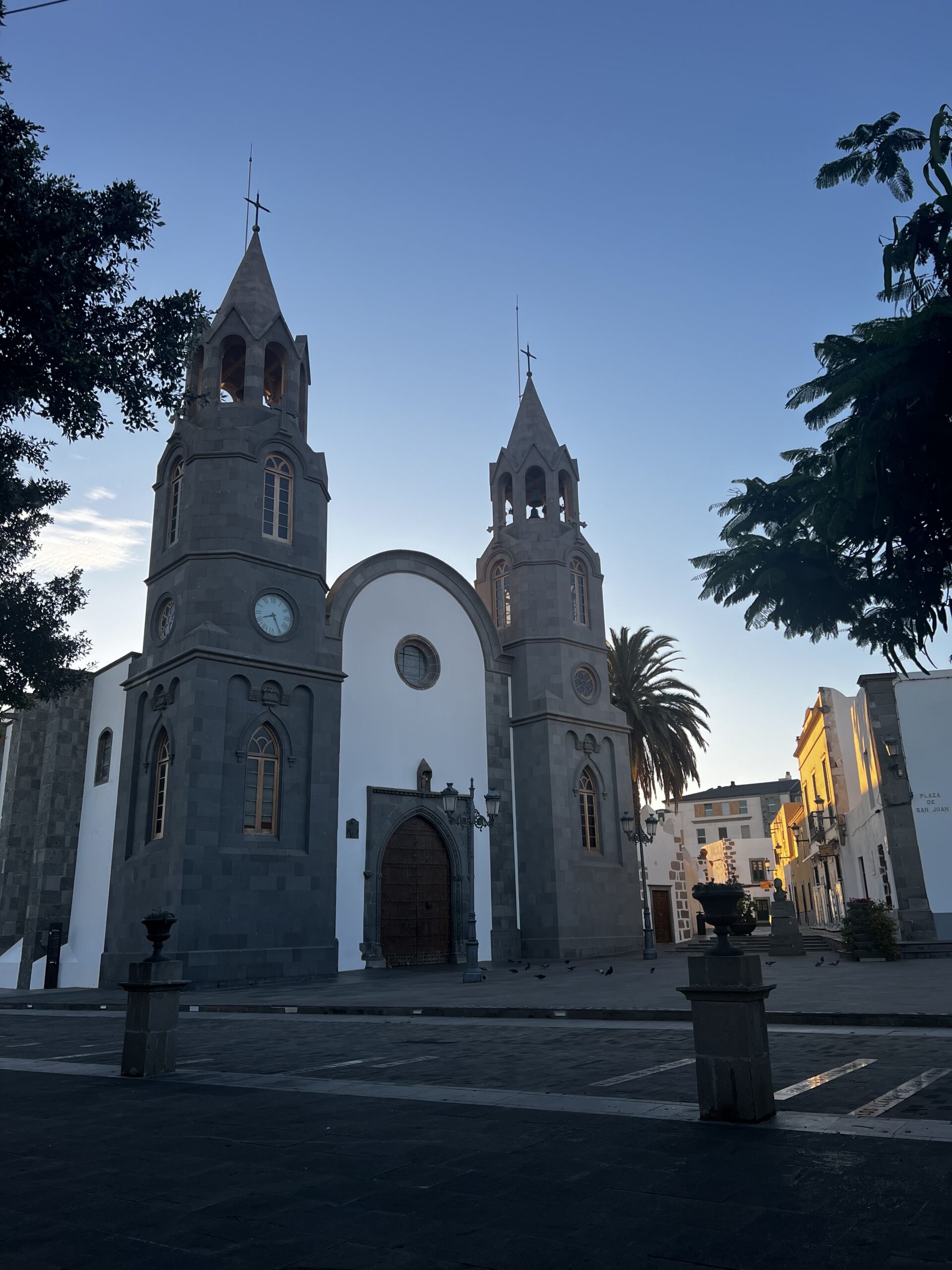
The Barrio de San Juan and the Cristo de Telde
The Barrio de San Juan is the founding centre of Telde and the historic heart of the municipality. Its cobbled streets, houses with wooden balconies and quiet squares preserve the atmosphere of a city that was important long before tourism arrived in Gran CanariaThe Basílica de San Juan Bautista, declared Cultural Heritage of Interest in 1991presides over the Plaza Mayor. Inside it holds the Cristo de Telde, an image of the crucified Christ unique in the world: made from corn-pith paste and vegetable dyes by indigenous craftsmen from Guatemala or Mexico in the 16th century and brought to the island as a gift from the Americas. Its manufacturing technique — identical to that of pre-Columbian Mayan images — makes it a piece of incalculable value.
The basilica's main chapel also holds a 16th-century Gothic-Flemish altarpiece and a painted triptych brought from Flanders in the same period. Both pieces are among the most valuable in the religious heritage of Canary Islands.
The Barrio de San Francisco and San Gregorio
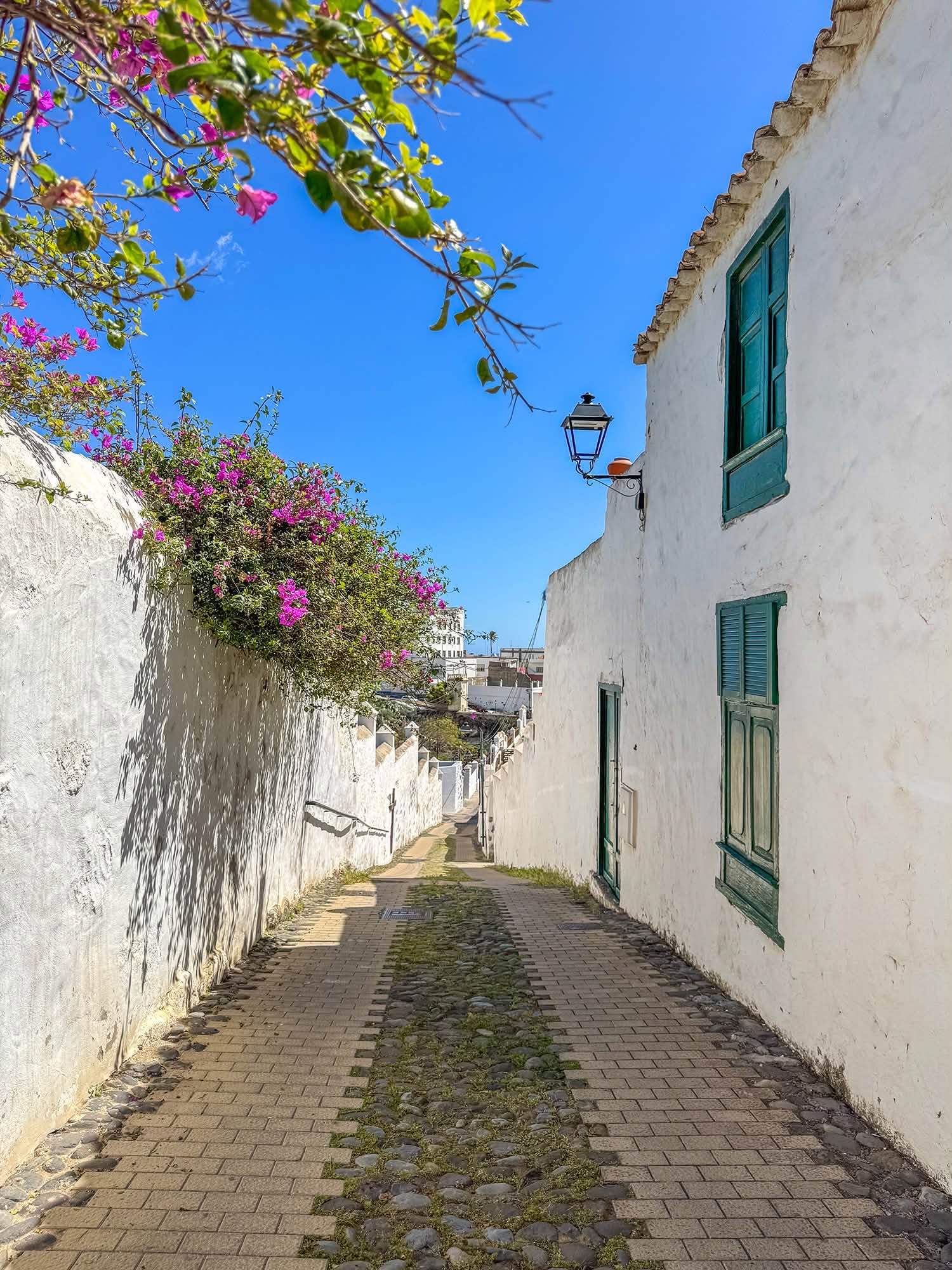
The Barrio de San Francisco is the other great historic quarter of Telde. Its narrow cobbled lanes, with houses once inhabited by Franciscan friars after the conquest, keep a very well-preserved colonial atmosphere. The quarter's most important monument is the Iglesia de San Francisco, built in the 16th century, with a volcanic-stone façade and an interior holding several images of artistic value.
On the other hand, the Barrio de San Gregorio adds a third dimension to the historic centre of Telde, with 18th- and 19th-century manor houses and palm-lined squares that recall the municipality's prosperity in the centuries of Atlantic trade. All three quarters can be toured on foot in one morning, starting from the tourist office next to the Basílica de San Juan.
The archaeological sites
Telde holds some of the most important archaeological sites in Gran Canaria. The best known is the Parque Arqueológico de Cuatro Puertas, a large artificial cave with four entrances carved into the rock, which the indigenous people used as a place for gathering, worship and rituals. Inside it has a large main chamber and several side chambers. In addition, on the plateau above the cave there are rock engravings and an almogarén — a solar-worship sanctuary — of great archaeological value.
The site of Tufia, on the municipality's north coast, is equally singular: an indigenous settlement built on a volcanic rock by the sea, with dwelling caves that today coexist with fishermen's houses. It is one of the few places in Canary Islands where indigenous architecture and vernacular Canarian architecture coexist in the same space.
The beaches and the coast
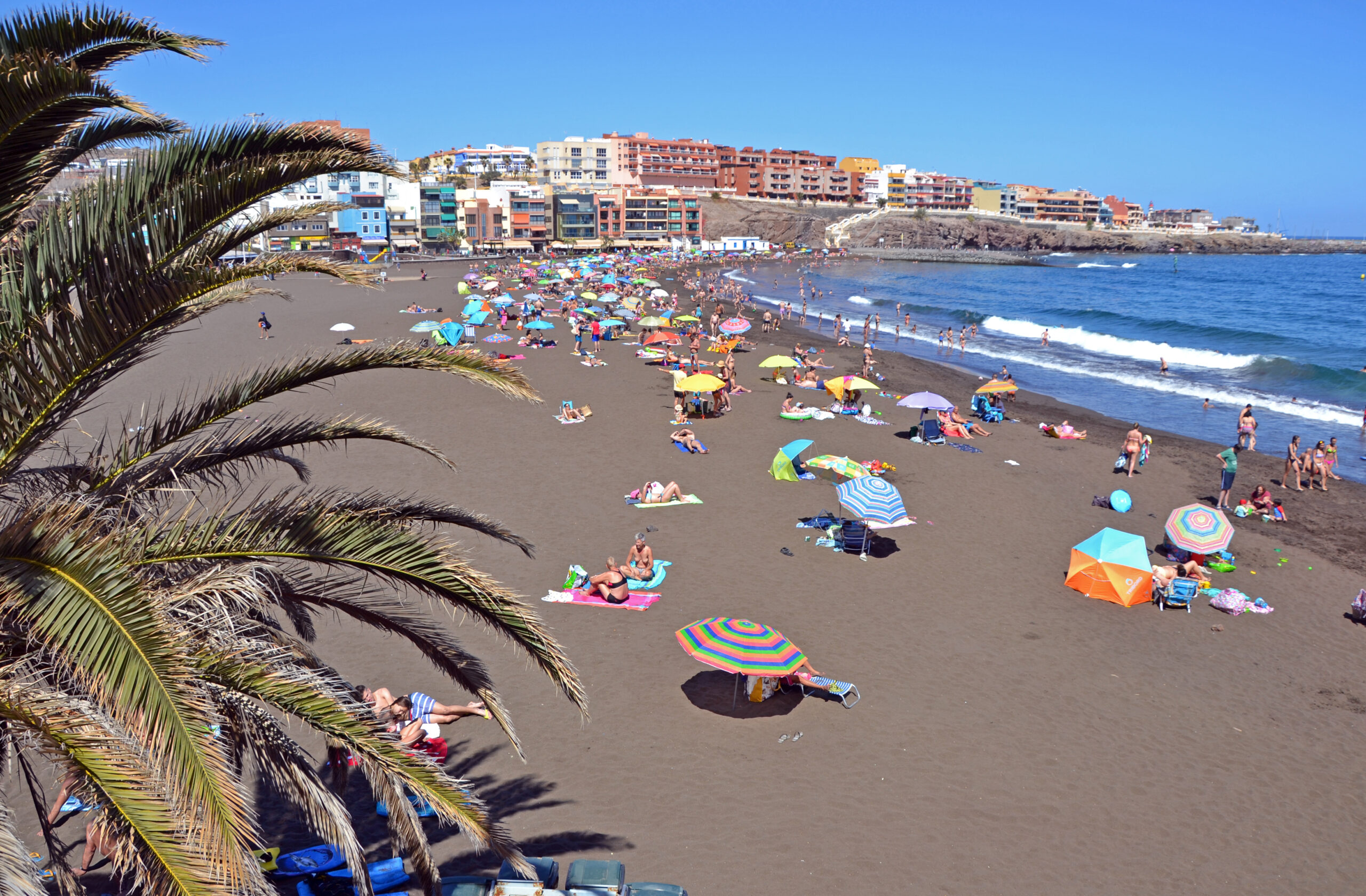
The coast of Telde has almost 10 kilometres of coastline with very varied beaches. The Playa de Melenara is the most popular and family-friendly, with dark sand, a seafront promenade, beach bars and a calm swimming area suitable for everyone. The Playa de La Garita, to the north, has a more local, seafaring atmosphere. From there you can see the Bufadero de La Garita, a hole in the volcanic rock through which ocean water bursts up in pressurised jets with a very distinctive sound. It is also one of the most photogenic natural phenomena on the east coast.
The Playa del Hombre and the Hoya del Pozo are wilder and more popular with surfers. Meanwhile, the beaches of Salinetas and Ojos de Garza, to the south, have a more industrial setting due to their proximity to the airport, but still have swimming areas and seabeds of interest for snorkelling.
The Barranco de los Cernícalos
The Barranco de los Cernícalos is the municipality's most important natural area and one of the most popular in eastern Gran CanariaIt shares territory with the neighbouring municipality of Valsequillo and is home to a wild-olive forest with running water year-round, creating lush vegetation very rare in the east of the island. The main trail runs for about 7 kilometres of low difficulty up to the island's highest waterfalls. It is therefore a trail very popular with families and hikers of all levels.
Gastronomy in Telde
The gastronomy of Telde combines fresh fish from the coast with Canarian cuisine from the interior. The restaurants along the seafront promenade of Melenara and La Garita serve the catch of the day, grilled limpets and seafood in a very authentic local atmosphere. In the historic centre, tascas and restaurants like La Tunera offer traditional Canarian cuisine: wrinkled potatoes with mojo, ropa vieja (shredded beef stew), vegetable stews and grilled meats. The organic olive oil of the from the Centro Ecológico Los Olivos — with guided tours of the estate — is another notable local product. There's also a market in the historic centre every Saturday with local produce, cheeses and craftwork.
How to get to Telde
Telde is about 14 kilometres of Las Palmas de Gran Canaria via the GC-1 motorway (approximately 15-20 minutes by car). The Gran Canaria airport lies within the municipal boundaries, in the Gandodistrict, which makes Telde the first municipality passengers set foot in when arriving on the island. By public transport, several Global bus lines connect Las Palmas with the historic centre of Telde with very frequent departures. Also check the map of the municipalities of Gran Canaria to help you navigate the island.
Frequently asked questions about Telde Gran Canaria
What is the Cristo de Telde?
It is an image of the crucified Christ from the 16th century, made from corn-pith paste and vegetable dyes by indigenous craftsmen from the Americas. It is kept in the Basílica de San Juan Bautista of Telde and is unique in the world for its manufacturing technique, identical to that of pre-Columbian Mayan images. It is the most valuable piece in the religious heritage of Telde.
What is the Parque Arqueológico de Cuatro Puertas?
It is a large artificial cave with four entrances carved into the rock, used by the indigenous people of Gran Canaria as a place for gathering and worship. On the plateau above the cave there are rock engravings and an almogarén — a solar sanctuary. It is the most important and most visited archaeological site in the municipality of Telde.
What is the best beach in Telde?
The Playa de Melenara is the most popular, with dark sand, a seafront promenade and a family atmosphere. The Playa de La Garita has a more local, seafaring character, next to the spectacular Bufadero. For surfing, the Playa del Hombre and the Hoya del Pozo are the most popular options.
What is the Bufadero de La Garita?
It is a natural hole in the volcanic rock on the coast of Telde through which ocean water enters under pressure and bursts upward in jets. It is one of the most spectacular and photogenic natural phenomena on the east coast of Gran Canaria.
How do you get to the Barrio de San Juan from Las Palmas?
It's about 14 kilometres via the GC-1, between 15 and 20 minutes by car. By bus, several Global bus lines connect Las Palmas with the historic centre of Telde with very frequent departures throughout the day. The tourist office is next to the Basílica de San Juan.
Does Telde have an airport?
The Gran Canaria airport is in the Gando, within the municipal boundaries of Telde. This makes it the first municipality that all passengers arriving on the island by plane visit.