
Live: La Restinga harbour and beach
La Restinga live: sea and tranquillity


This is how it feels Santa Cruz South today La Restinga today
👉 What feeling does this place convey to you right now?
The Pulse reflects how this place is perceived at the moment.

Perfect day

Very windy

Rough sea

Very calm

Ideal for a walk

Variable day
La Restinga: the wildest south of El Hierro
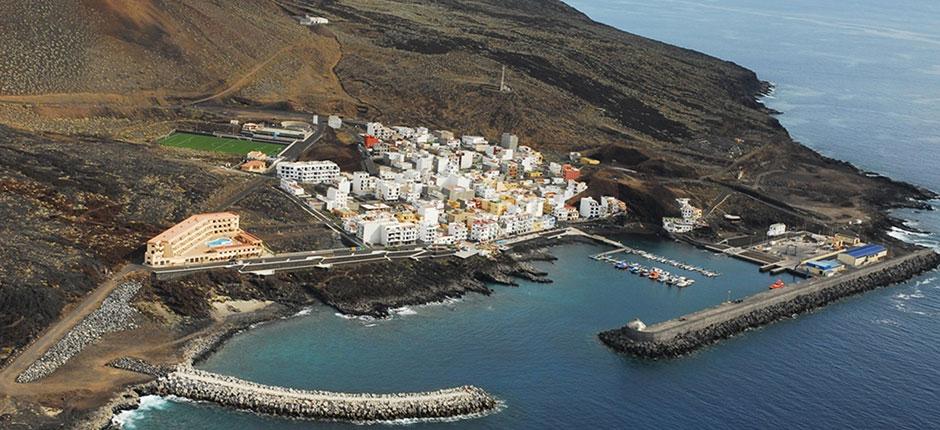
La Restinga El Hierro is the southernmost village in all of Spain and one of the most authentic corners of the Canary Islands. Located at the southern tip of the island, this small fishing village combines exceptionally clear water, an internationally recognised marine reserve and a daily life that moves to the rhythm of the sea. Thanks to our El Hierro live camera, you can take a look at this volcanic landscape even before packing your bags. Diving in La Restinga El Hierro is also one of the most renowned attractions in all of Spain.
What La Restinga in El Hierro is and how to get there
La Restinga belongs to the municipality of El Pinar, at the southern tip of El Hierro. Founded in the mid-20th century by fishing families, it now has just a few hundred residents, which gives it that unhurried, unpretentious atmosphere so hard to find on other islands. To get there from Valverde, the capital, take the HI-1 road south to El Pinar and from there head down the HI-20 to the coast; the journey takes about forty minutes by car.
There is also an intercity bus service run by the Cabildo de El Hierro, although it runs infrequently. If you're travelling without your own vehicle, it's worth checking the timetables in advance to avoid surprises. Our El Hierro live camera lets you see the state of the sea, the sky and the atmosphere in the south of the island in real time. It's the most direct way to know whether the day is right for diving, snorkelling or simply strolling around the harbour before planning your visit to La Restinga.
Diving and the marine reserve: the heart of La Restinga (El Hierro)
The marine reserve that makes diving in La Restinga El Hierro an unmatched experience is, without doubt, the main reason travellers come here. Its protected waters generally offer visibility of more than twenty metres and are home to groupers, moray eels, turtles, rays and a varied tropical fauna that has arrived from the African coast. Because of all this, diving in La Restinga El Hierro features among Spain's best destinations in specialist European guides.
Several dive centres in the village organise try-dives, courses and guided outings for all levels. Even without equipment, snorkelling from the shore in designated areas reveals a rich underwater world. And if you want to check the water conditions before heading out, remember you can check the El Hierro live cameras in CanariasLife.
In 2011, the underwater eruption of the Tagoro volcano temporarily disrupted the marine ecosystem. Today, however, that same volcano is a one-of-a-kind dive site in the world, colonised by fauna that exists nowhere else on the planet.
Beach and harbour: life in La Restinga
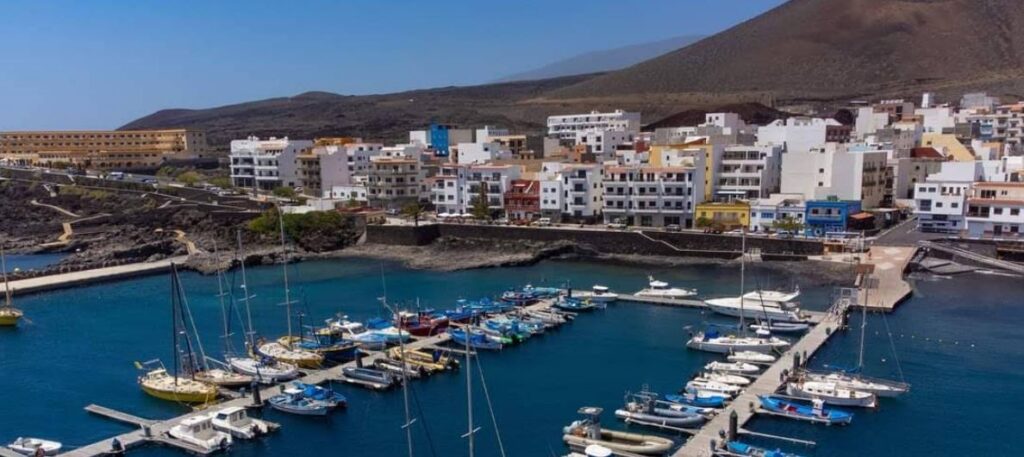
The beach at La Restinga is not sandy but made of callaos, rounded black volcanic pebbles that give it a distinctive character. The water is calm, clean and pleasantly warm almost all year round. The harbour, small and functional, is the true heart of the village: in the afternoons, fishermen unload their catch and visitors watch the scene from one of the terraces on the pier, with the Atlantic as a backdrop.
Gastronomy: fresh fish and Herreño flavours
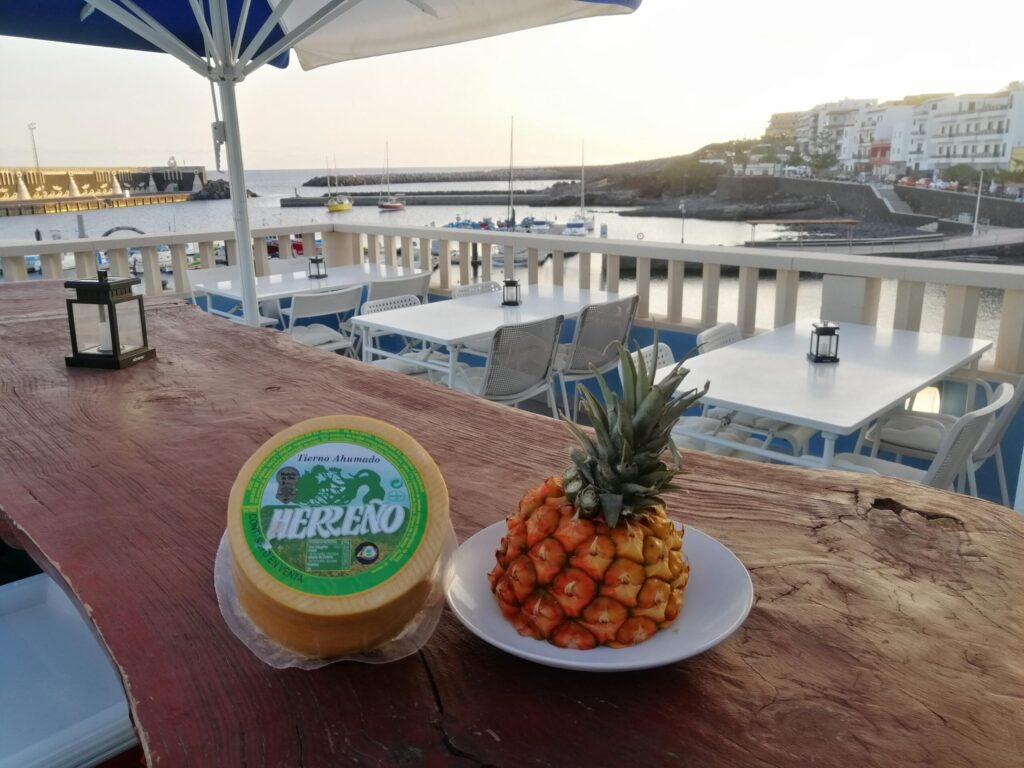
Eating in La Restinga is one of the most honest experiences of the trip. The village's restaurants serve fish caught fresh every morning: salt-baked parrotfish, fried sama, wreckfish with wrinkled potatoes and mojo. The quality of the produce is hard to match and prices are reasonable. Besides fish, it's worth trying the Herreño cheeses made from goat and sheep milk, and the local wine from small inland wineries, with that mineral character typical of volcanic soils.
Practical tips for visiting La Restinga in El Hierro
The best time is from May to October, when the sea is calm and temperatures are warmer. However, since it's the least crowded island in the Canaries, La Restinga can be visited all year round without running into mass tourism. It's a good idea to book accommodation in advance, since options are limited: rural houses, apartments and a few small guesthouses. Carrying cash is also recommended, as not all establishments accept cards.
Before setting off, don't forget to check the El Hierro live cameras on CanariasLife to see the weather and the state of the sea in real time. And if you want to keep discovering the island, also explore the rest of El Pinar, the municipality La Restinga belongs to, with viewpoints and trails among pine trees that contrast with the volcanic landscape of the south.
Frequently asked questions
Where is La Restinga in El Hierro?
La Restinga is located at the southern tip of the island of El Hierro, in the municipality of El Pinar. It is the southernmost inhabited village in all of Spain, about forty minutes by car from the capital, Valverde.
Can I see La Restinga by webcam before travelling?
Yes. On CanariasLife you can check the El Hierro live cameras to see the weather and sea conditions in the south of the island in real time, which helps you better plan your visit to La Restinga.
Is diving good in La Restinga El Hierro?
Yes, it's one of the best diving destinations in Spain. The marine reserve offers visibility of more than twenty metres, great biodiversity and the underwater Tagoro volcano, a one-of-a-kind dive site in the world.
Does La Restinga have a sandy beach?
No. The beach is made of callaos, that is, black volcanic pebbles. However, the water is very clean and calm, perfect for swimming and snorkelling.
When is the best time to visit La Restinga?
May to October is the warmest period with the calmest sea. However, El Hierro is the least crowded island in the Canaries and can be visited all year round without crowds.
What to eat in La Restinga?
Fresh fish takes centre stage: salt-baked parrotfish, fried sama and wreckfish with wrinkled potatoes and mojo are the most typical dishes. Herreño cheeses and local wine from volcanic wineries are also notable.
