
Live webcams of Adeje, Tenerife
Playa del Duque, Costa Adeje and Barranco del Infierno
Adeje, the sunniest municipality in the south of Tenerife
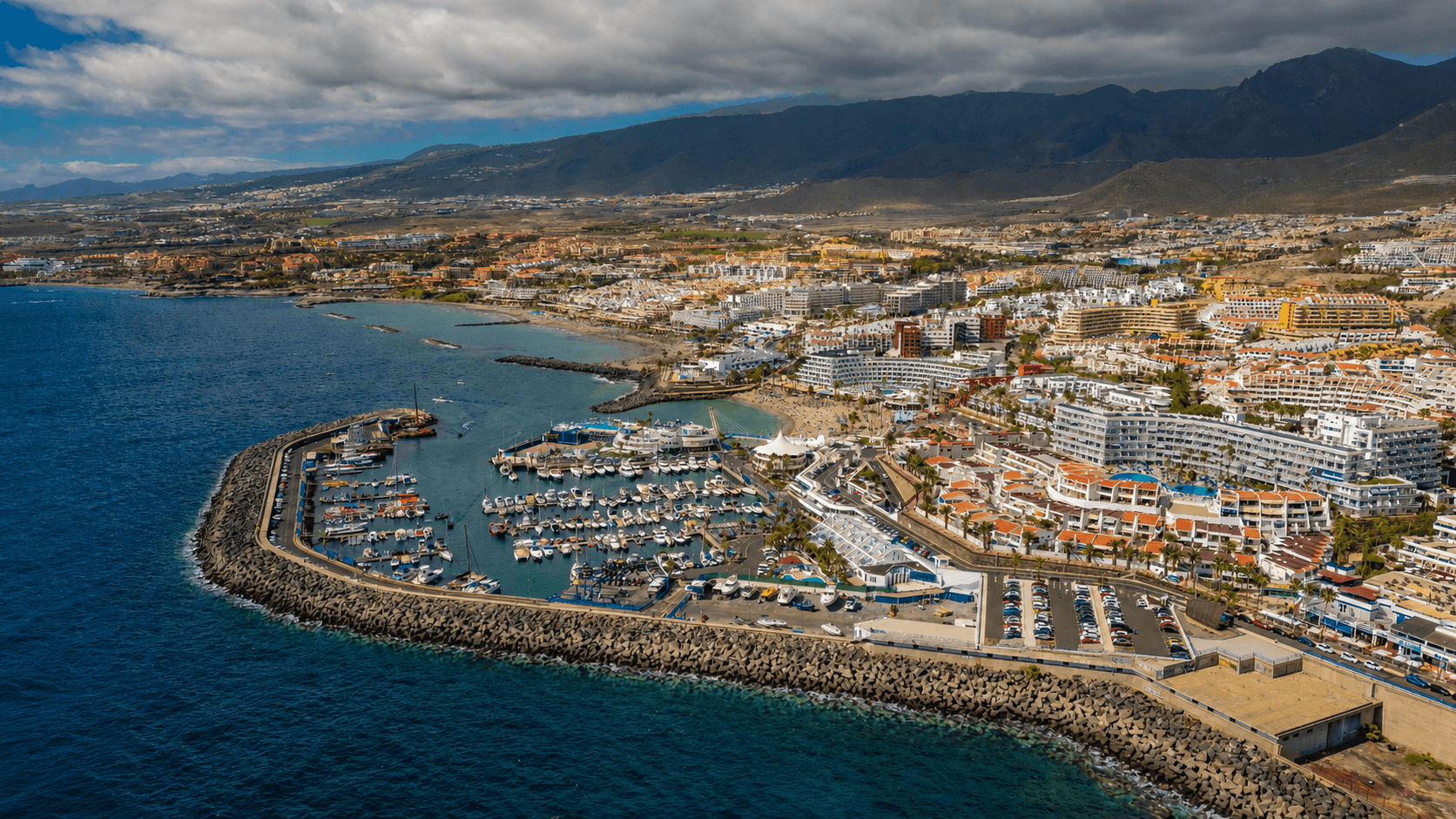
Adeje is the quintessential tourist municipality in the south of Tenerife. Its coastline, known as Costa Adeje, is home to some of the best beaches on the island: Duque Beach, Fañabé, Torviscas, Playa Troya, La Enramada and the coves of Callao Salvaje and Playa Paraíso. But Adeje is also a mid-mountain village with history, its own cuisine and the gateway to the Barranco del Infierno.
In fact, the municipality has 12 CanariasLife Webcams spread all along the coast. It is the best way to compare conditions between beaches and choose the one that suits you before heading out.
Beaches of Adeje
With so many beaches, it is worth knowing the differences between them:
Duque Beach is the most exclusive: pale sand, calm water and a well-kept setting. Next to it, Fañabé Beach is wider and more family-friendly, with good access and full facilities.
Torviscas Beach and Playa Troya are in the liveliest part of Costa Adeje, with a seafront promenade, shops and restaurants. Bobo Beach and La Pinta Beach are more secluded and sheltered from the wind.
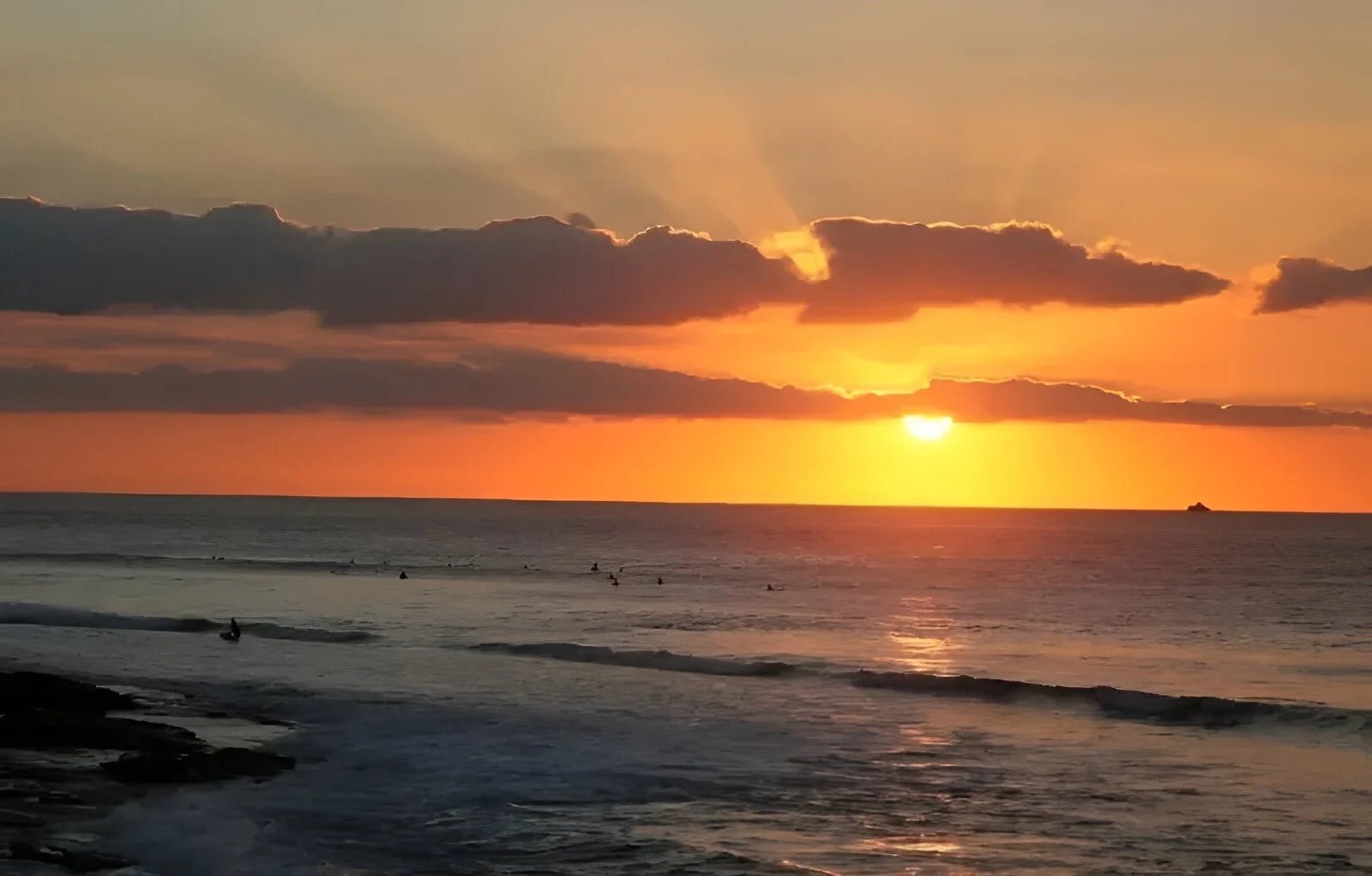
In the southern part of the municipality, La Caleta has the atmosphere of a fishing village. Its Playa de la Enramada is famous for its sunsets. Further south, Callao Salvaje has Playa de Ajabo, quieter and less touristy. And at Playa Paraíso, the Las Galgas Beach is a sheltered option with calm water.
Whale watching and activities at sea
The coast of Adeje is one of the best places in Europe to see dolphins and whales in the wild. Excursions by catamaran and boat leave from the ports of Costa Adeje, touring the coastal stretch where tropical pilot whales and bottlenose dolphins live all year round.
The sheltered bay also allows kayak, paddle boarding, diving and snorkeling in calm conditions. The webcam of the Catamarán Royal Delfin offers a unique view of the sea from the water.
Barranco del Infierno
The Barranco del Infierno is the Special Nature Reserve most visited in Tenerife. The trail starts from the centre of Adeje and follows a deep canyon with volcanic walls up to a natural waterfall . It is about 6.5 kilometres there and back.
Access is limited and it is necessary to reserve in advance. It is a demanding route in some stretches, so it is worth checking the weather before going. From the webcams along the coast you can see whether the sky is clear towards the mid-mountain area.
Adeje village: the historic centre
Heading up to the village of Adeje reveals the other side of the municipality. About 15 minutes from the coast, the historic centre has a calm, authentic feel. The Iglesia de Santa Úrsula and the Convento de San Francisco are its most notable buildings. The Plaza de España is the centre of local life, with views over the ravine and the coast.
However, what really draws people from all over Tenerife here is the food: the chicken of Adeje is an institution across the whole island.
Gastronomy in Adeje
The municipality has two culinary worlds. On the coast, the restaurants of Costa Adeje and La Caleta offer international cuisine and fresh fish with sea views.
In the village, the taverns serve traditional Canarian dishes: the famous chicken of Adeje (crispy and spicy), gofio escaldado, local cheeses, wrinkled potatoes with mojo and grilled meats. That contrast between coast and mid-mountain is part of the municipality's charm.

Costa Adeje Golf
The Costa Adeje Golf golf course is one of the best known in the south of Tenerife. With ocean views and surrounded by subtropical vegetation, it is a regular destination for golfers looking to play in good weather all year round. The CanariasLife webcam shows the course's conditions live.
How to get to Adeje
Costa Adeje is about 20 minutes from the Tenerife South Airport via the TF-1 motorway. There are frequent TITSA buses (lines 111 and 450) connecting the airport with the coastal area.
To get up to the historic centre from the coast takes about 15 minutes via the TF-82. Bus line 473 connects Costa Adeje with the village.
Frequently asked questions about Adeje
What are the best beaches in Costa Adeje?
Duque Beach is the most exclusive. Fañabé is wide and family-friendly. Torviscas and Troya have more of a buzz. La Enramada in La Caleta is perfect for sunsets. Callao Salvaje and Playa Paraíso are quieter. You can compare them all live with the CanariasLife Webcams.
How do you visit the Barranco del Infierno?
The trail starts from the centre of Adeje and reaches a natural waterfall . It is 6.5 kilometres there and back. You need to reserve in advance, since access is limited. It is a good idea to wear suitable footwear and bring water.
Can you see dolphins and whales in Adeje?
Yes, the coast of Adeje is one of the best spots in Europe for whale watchingFrom the ports of Costa Adeje excursions leave from catamaran and boat. The pilot whales and dolphins live here permanently.
What is pollo de Adeje?
It is the municipality's most famous dish: crispy, spicy fried chicken prepared in the taverns of the centre of Adeje. It is a local tradition that draws visitors from all over the island. It is served with wrinkled potatoes and mojo.
Is it worth going up to the village of Adeje?
Yes, the historic centre is just 15 minutes from the coast and offers a calm atmosphere with the Iglesia de Santa Úrsula, the Convento de San Francisco and the taverns where you can try the chicken of Adeje. It is the other side of the municipality.
Are there webcams in Adeje?
Yes, in CanariasLife you can see the webcams of Costa Adeje live, with cameras at Duque Beach, Fañabé, Torviscas, La Caleta, Callao Salvaje and more points of the coast.