
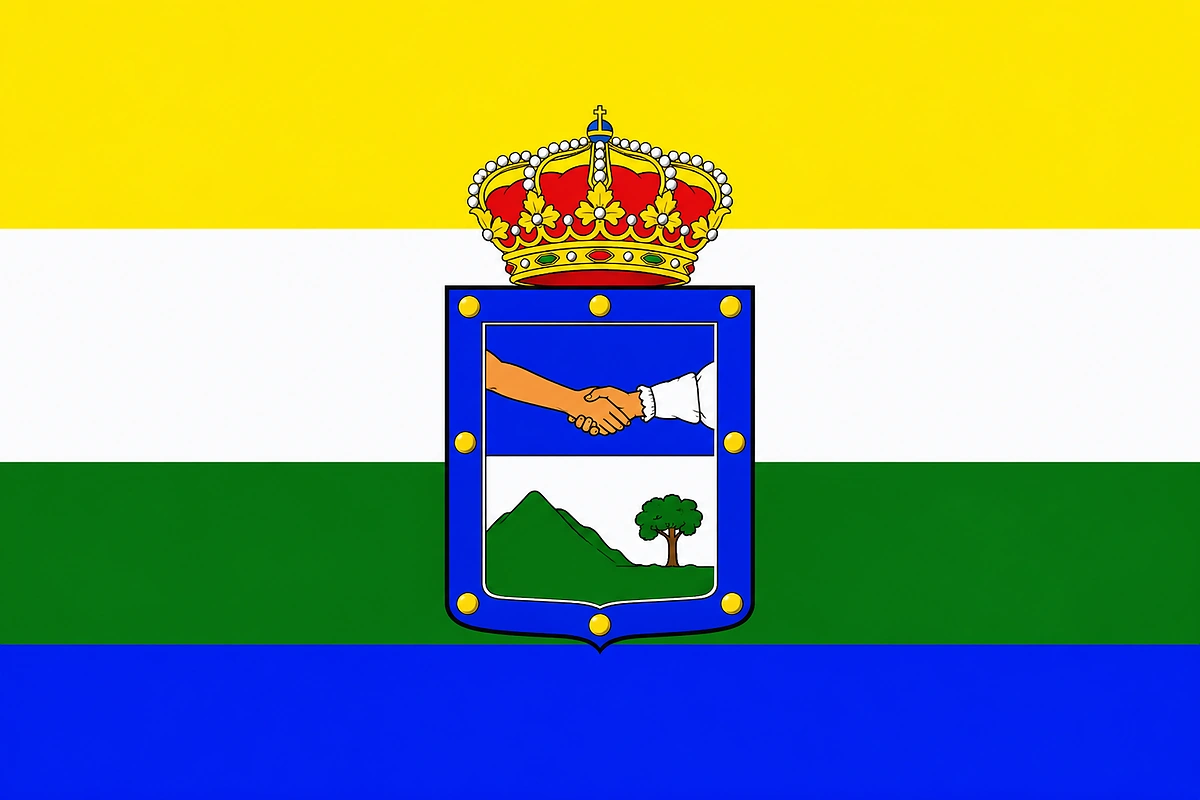
Live webcams of Guía de Isora, Tenerife
Playa San Juan, Alcalá and the west coast
Guía de Isora, authentic southwest Tenerife
Guía de Isora covers a wide stretch of the southwest of Tenerife, from the slopes of the Teide and the Pico Viejo down to the Atlantic coast. It is a municipality that has managed to stay clear of mass tourism, with traditional stone villages, volcanic landscapes and a quiet coastline where beaches like Playa San Juan and Alcalá keep a local pace.
In addition, thanks to the CanariasLife webcam in Playa San Juan you can watch live the state of the sea and the conditions along the coast before heading down.
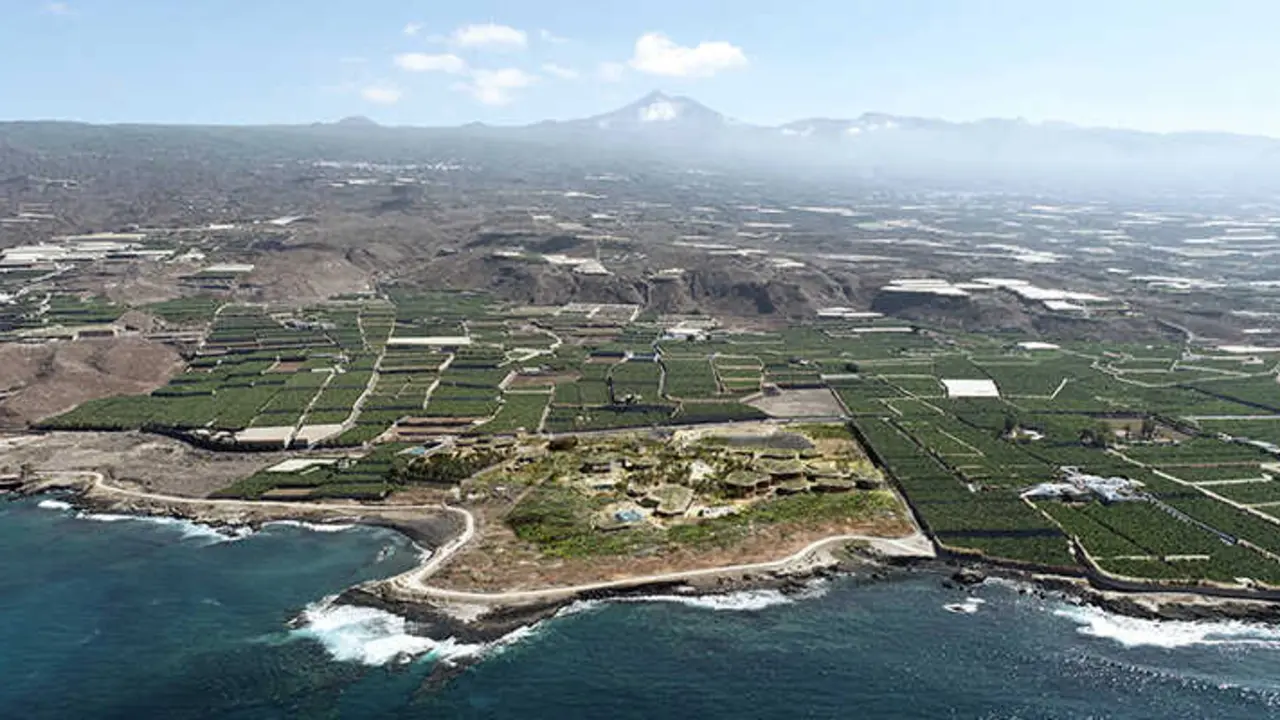
Playa San Juan and the coast of Guía de Isora
The municipality's coastal strip has several coastal centres, each with its own character:
Playa San Juan is the liveliest. It has a small marina, a volcanic sand beach, fresh fish restaurants and a pleasant seafront promenade. From here you can join fresh fish excursions and whale watching routes. diving and snorkeling.
Alcalá is quieter, with a seafront walk and a local feel. The sunsets from here, with La Gomera on the horizon, are among the best in the southwest of Tenerife.
Also notable is Fonsalía, with seabeds rich in marine life that attract divers. And the Acantilados de la Isorana, which show the erosive power of the sea on volcanic rock.
Charming villages: Chirche and Aripe
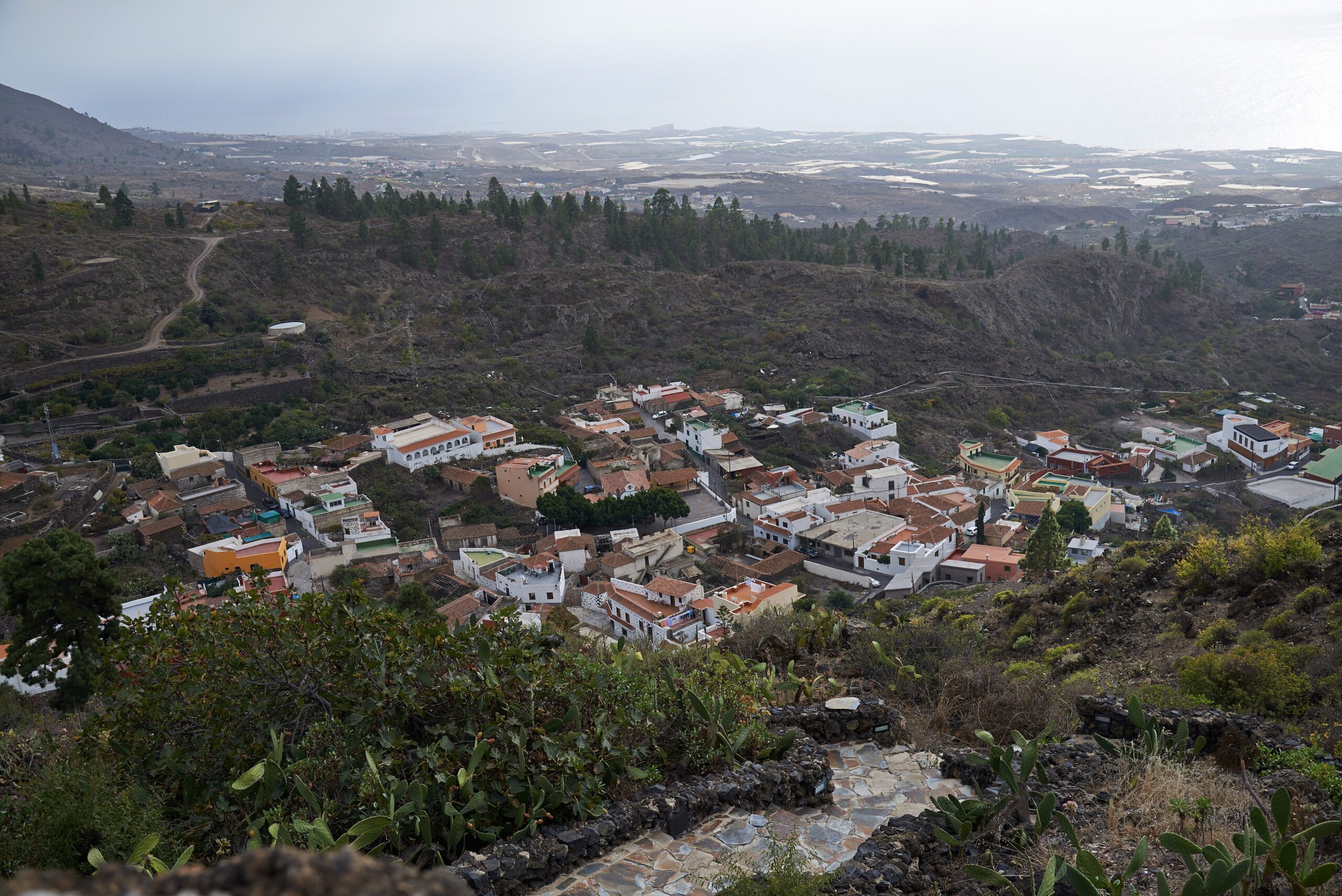
In the mid-mountain area of the municipality, Chirche and Aripe are declared Cultural Heritage of Interest. Their stone houses, wine presses and cobbled streets preserve an authentic rural atmosphere that is hard to find in the south of the island.
Meanwhile, the centre of Guía de Isora, at around 600 metres above sea level, has quiet squares, local cafés and the Parroquia de Nuestra Señora de la Luz, an example of popular Canarian architecture. It is a good place for a leisurely stroll to feel the pace of the mid-mountain area.
Hiking and nature
The municipality is ideal for hiking. The mill route from Aripe to the Barranco de Guaría reveals old irrigation systems and traditional farmsteads. The Mirador de Chirche offers panoramic views over banana plantations and, on clear days, over La Gomera and La Palma.
There is also the Monumento Natural de la Montaña de Tejina which is a landmark for hikers and birdwatching enthusiasts. The municipality also borders the Natural Park of the Corona Forestal, with forests of Canary pine and spectacular ravines.
For the more adventurous, the Barranco de Tágara is a well-known spot for paragliding with ocean views.
Gastronomy in Guía de Isora
Local cuisine stays true to the land and the sea. The rabbit in salmorejo, the wrinkled potatoes with mojo, the fresh fish (especially parrotfish) and the goat's cheese are the most representative dishes.
In Playa San Juan and Alcalá, the restaurants specialising in fish and seafood serve the day's catch. Don't leave without trying the red tuna in season. All washed down with Malvasía wine, the most representative of this southwestern area.
The pastries also surprise: sweet potato pastries, almond sponge cakes and palm honeyThe weekly markets offer local, zero-kilometre produce.
Culture and festivals
The Corpus Christi transforms the squares into carpets of flowers and coloured sand. It is one of the most colourful celebrations in the municipality. Also notable are the pilgrimages, the Carnivals and the patron saint festivals.
On the cultural side, the MiradasDoc Festival is a landmark event dedicated to international documentary film held every year in Guía de Isora. There is also the Ethnographic Museum which brings together farming traditions and objects from the local past.
How to get to Guía de Isora
The municipality is about 30 minutes from the Tenerife South Airport via the TF-1 motorway. TITSA buses connect with Los Cristianos and Costa Adeje.
To visit the inland villages (Chirche, Aripe, the centre of Guía de Isora) a car is recommended, since bus frequency to the mid-mountain area is more limited.
Frequently asked questions about Guía de Isora
What to see in Guía de Isora?
The villages of Chirche and Aripe (declared Cultural Heritage of Interest), the historic centre with the Parroquia de Nuestra Señora de la Luzthe coast of Playa San Juan and Alcalá, and hiking for the Barranco de Guaría and the Montaña de Tejina.
What are the best beaches in Guía de Isora?
Playa San Juan is the most complete: volcanic sand, a marina, restaurants and boat excursions. Alcalá is quieter and has good sunsets. The Fonsalía area stands out for diving and snorkeling.
Can you see cetaceans in Guía de Isora?
Yes, from Playa San Juan excursions for dolphin and whale watching. The southwest coast of Tenerife is a permanent habitat for several species of cetaceans.
What to eat in Guía de Isora?
Rabbit in salmorejo, wrinkled potatoes with mojo, fresh fish (parrotfish, red tuna in season), goat's cheese and Malvasía wine. The restaurants of Playa San Juan and Alcalá are the most recommended.
What is the MiradasDoc Festival?
It is an international festival of documentary film held every year in Guía de Isora. It attracts filmmakers and audiences from all over the world and has become a cultural landmark for the municipality.
Is there a webcam in Guía de Isora?
Yes, in CanariasLife you can see the webcam of Playa San Juan live, with a view of the harbour and the state of the sea in real time.