
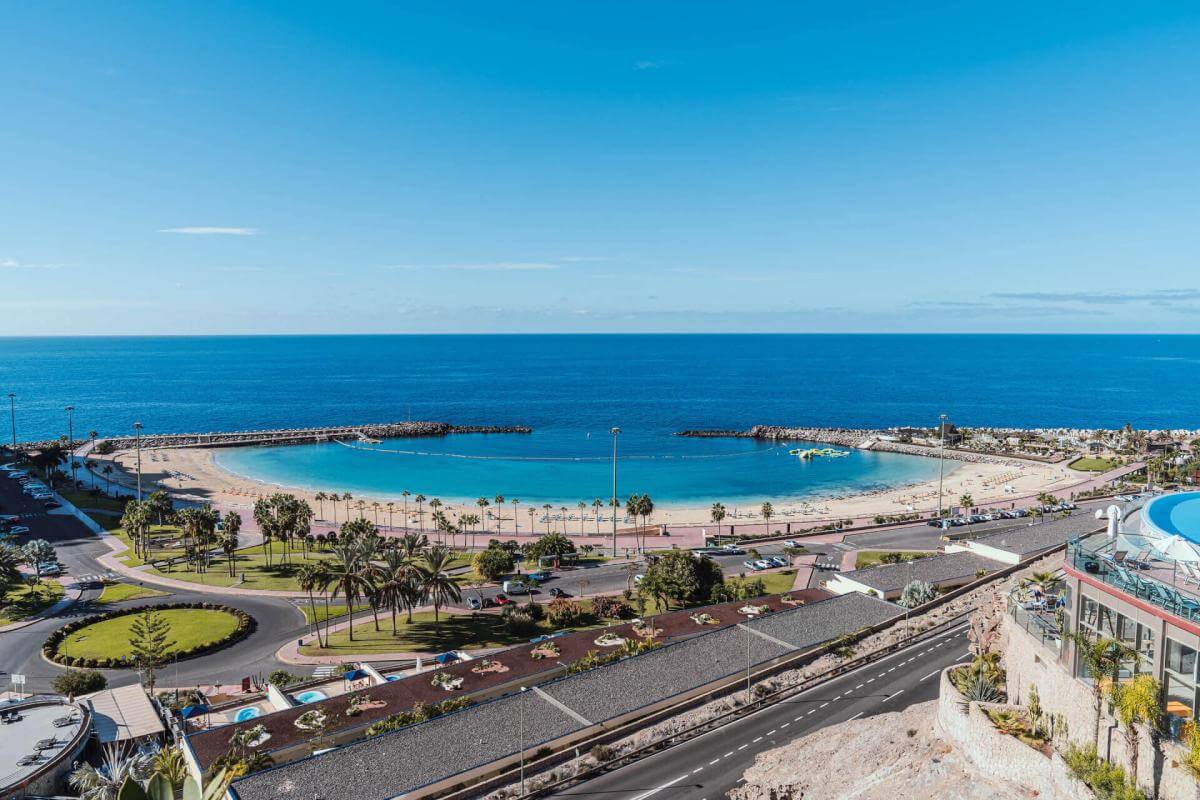
UNESCO recognizes the beauties of nature shaped by humans.
From Veneto to Gran Canaria
Risco Caído and the Prosecco Hills: World Heritage
In July 2019, during a meeting in Azerbaijan, UNESCO recognized two new sites as World Heritage : the cultural landscape of Risco Caído in Gran Canaria and the Prosecco hills in Italy.
Both places reflect how humans have worked in harmony with nature over time, creating unique landscapes that combine natural beauty and human culture.
Risco Caído: History and Indigenous Culture in the Canary Islands
Risco Caído is located within the volcanic caldera of Tejeda, in Gran Canaria. This site was discovered in 1996 by archaeologist Julio Cuenca and shows how the ancient inhabitants of the islands lived.
The Canary Islanders, descendants of Berber peoples from North Africa, built shelters in caves and used the land to store food. They also used these spaces to observe the sky, which was very important in their culture.
This recognition from UNESCO helps preserve the memory of a civilization that has influenced the current traditions of the Canary Islands. According to Antonio Morales, president of the Cabildo of Gran Canaria, this title strengthens local pride and promotes the study and care of indigenous heritage.
The Prosecco Hills: A Model of Sustainable Development
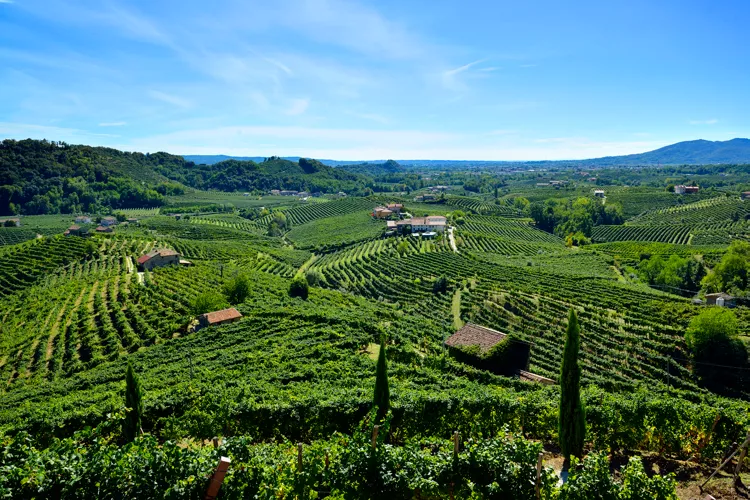
In Veneto, the hills of Conegliano and Valdobbiadene were also declared a World Heritage Site. These wine-producing areas stand out for their unique landscape and for combining agriculture, tourism, and sustainability.
UNESCO recognized the collective effort of local communities, governments, and experts to protect the environment while producing one of the world's most famous wines: Prosecco.
With this recognition, Italy reaches 55 sites listed by UNESCO, becoming the country with the most protected places under this category.