
Eating in the Canary Islands: a culinary journey through the islands
The first bite in the Canary Islands doesn't rush. There's salt in the air, sunshine on the plate, and a way of eating that does not understand vertigo. Each mouthful celebrates the Canarian lifestyle and identity, turning into a delight of local food and native ingredients that invite living in the Canary Islands with intensity.
A cuisine among volcanoes, trade winds, and memories
Canarian gastronomy has been nourished by ocean routes, barter, and a mild climate. The Canary Islands have been the setting for encounters of flavors, where each dish reflects the Canarian essence, and its preparation, live in many kitchens, is now accompanied by modern resources such as webcams and cameras that capture the evolving tradition. Local foods and crops coexist with farming techniques that have shaped a legacy full of Canarian identity.
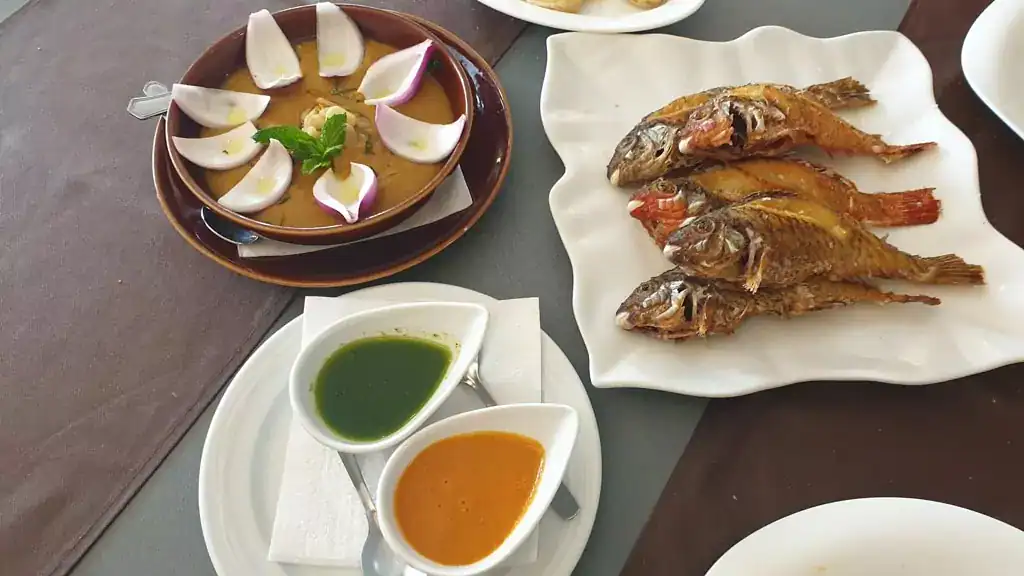
The product commands attention. The small potatoes grow in mineral-rich soils that enhance flavor, the toasted corn and wheat bring life to gofio with their nutty note, and the goat meat, coming from free-range animals, yields cheeses with a firm texture and clean personality. The sea provides vieja, cherne, tuna, or jurel, which are cooked with respect, almost always perfectly done, with a splash of mojo or lemon and little else.
Food is shared. Dishes are placed in the center, with thin-crusted bread and that red or green sauce that seems simple but ends up ruling the table, reflecting genuine local cuisine.
Mojo: the flavor engine that is never missing
To talk about eating in the Canary Islands without mentioning mojo would leave the story half-told. The red one, with paprika or chili, garlic, cumin, oil, and vinegar, is hot and spicy. The green one, with cilantro or parsley and mild pepper, is fresh and herby. Both are born from a mortar or a blender, but always have a touch of family ritual, so deeply rooted in Canarian identity that it is enjoyed live at many gatherings.
With wrinkled potatoes, mojo shines. Also with baked fish, grilled meat, or in grilled cheese that arrives sizzling at the table. There are mild versions and others that pack a punch; all invite dipping bread and tasting dishes full of authentic flavor.
The key is in the balance. The vinegar uplifts, the cumin rounds it out, the garlic sets the rhythm, and the sea salt closes the circle. Many home kitchens, reflecting the Canarian lifestyle, guard their own recipe, adjusted patiently over the years. A gesture of identity and Canarian essence.
Smoked cheeses, flora, and territory
Canarian cheese is edible landscape. The Palmero smoked cheese, with Denomination of Origin, matures in the embrace of gentle smoke and local woods that perfume a firm paste of goat's milk, also utilizing goat meat in other traditional dishes. The smoked palmero cheese one from Fuerteventura, internationally awarded, appears cured, semi-cured, and spread with paprika. The flor de Guía, in Gran Canaria, curdles with thistle and offers floral notes and an elegant bitter touch.
The smokiness is not just an embellishment. It adds depth and a sensation of wood and cellar that contrasts with the saline cleanliness of fish and potatoes. Spread on the grill, drizzled with mojo, grated over a vegetable cream, or turned into almogrote in La Gomera, cheese becomes the star with very little.
A well-chosen platter of Canarian cheeses is a mini geography lesson.
Dishes that tell stories
Each island has its own distinct pot, but the common thread is immediately recognizable.
- Wrinkled potatoes with mojo. Small potatoes boiled with a lot of salt until they wrinkle and acquire a very fine salty crust. Simple, addictive.
- Sancocho. Salted fish, potatoes, sweet potatoes, and mojo, sometimes with a pella of gofio to complete a marine and hearty dish.
- Canarian ranch and ropa vieja. An inheritance of well-understood austere cooking: legumes, meat, vegetables, and broth that improves with rest.
- Watercress stew. Green, aromatic, served steaming in clay bowls.
- Corn cobs with ribs. Tender ear and pork, a tasty countryside marriage.
- Old fish stewed or grilled. Delicate meat that needs no disguises.
There’s room for surprise. A mild marinade made with paprika, oregano, and vinegar transforms humble meats. Salads take advantage of flavorful tomatoes, avocados that beg for a spoon, and crunchy onions. And the breads, better each day, accompany without fuss, just like other typical foods from the region.
Moreover, for those who want to enjoy these moments live, there are places that broadcast the preparation of their dishes via webcams and cameras, allowing you to see how tradition mixes with modernity in each preparation.
Gofio: toasted cereal, living culture
Gofio is flour made from toasted cereals that smells of history. Wheat, corn, or mixes are ground finely and used as naturally as bread. Escaldón de gofio with fish or vegetable broth, gofio kneaded with water and salt, soups and stews that gain body with a toasted sprinkle. Also in sweet form: ice creams, custards, mousses, cakes, and creams.
Nourishing and comforting. The toast gives a nutty profile and a smoky touch that pairs well with cheeses, mojos, and broths. For newcomers, it’s a discovery; for locals, a daily staple that complements the wide variety of local foods.
Sweets with Atlantic accent and volcanic wines
Canarian pastries seduce without any weird tricks. Bienmesabe made from almonds and honey, frangollo made from corn with milk, a trembling quesillo that lingers on the palate, prince alberto made with cocoa and nuts, and herreñas quesadillas perfumed. They are desserts with full flavor, gentle texture, and aromas of cinnamon, lemon, and palm honey.
In the glass, the islands have their own voice. Aromatic malvasías, nervy listanes, mineral reds from old vineyards, salty whites that call for fish. The volcanic soils and trade winds leave wines with tension and personality, perfect for pairing with mojos, cheeses, and stews.
Way of eating: guachinches, sobremesas, and shared cooking
The guachinche, in Tenerife, it's a house of wine and homemade food where you eat without artifice. Simple tablecloths, generous portions, bottles from their own harvest, and an atmosphere that invites you to stay, highlighting the importance of local food in daily life. In other islands, taverns and stands operate with the same spirit: good raw materials, honest recipes, and reasonable prices that reinforce Canarian identity.
The table fills with dishes. People snack, chat, and repeat. The sobremesa is non-negotiable, and hospitality is demonstrated by bringing another round of potatoes and a bit more mojo. Eating is about socializing and is an essential part of the Canarian lifestyle.
Eating in the Canaries: a map of flavors by island
- Tenerife
- Watercress stew, ribs with corn cobs, gofio escaldón, grilled cheese with mojo.
- Guachinches in the north, wines from Tacoronte-Acentejo and Valle de La Orotava.
- Gran Canaria
- Flor de Guía, potatoes with mojo, ropa vieja, fish broth.
- Almond sweets in Tejeda, artisan traditional ice creams.
- La Palma
- Smoked palmero cheese, chicharrones, strong green mojo.
- Wines with character, routes of banana and cane honey in the markets.
- La Gomera
- Almogrote, palm honey, hearty stews, fresh fish on beaches and high towns.
- El Hierro
- Quesadillas, limpets with green mojo, wheat stew.
- Smoked herreño cheese and landscapes that whet the appetite.
- Fuerteventura
- Majorero, tender kid, tomatoes with a taste of sun, potatoes and gofio everywhere.
- Lanzarote
- Kid, potatoes, mojos, salt-baked fish, wines from La Geria with picón soils.
This itinerary fits in a week or a lifetime. It's advisable to leave gaps for the unexpected, an agricultural fair or a roadside stand with irresistible aromas that enhance the complete experience of local foods and dishes.
Practical tips for ordering like a local
- Ask about the mojo's spice level. If you don't like spicy, request it mild or go for the green.
- Share portions. The table will appreciate it, and you'll be able to try more dishes.
- Watch out for the names:
- Vieja: parrotfish with delicate meat.
- Cherne: large fish with firm meat, ideal grilled or in sancocho.
- Bubango: local zucchini, tasty and firm.
- Piñas: corn cobs; ribs with piñas do not contain fruit.
- Look for producer markets. You'll find freshly ground gofio, aged cheeses, and artisanal mojos.
- Vegetal options. Gofio escaldón with vegetable broth, stews, avocado and tomato salads, potatoes with mojo, local cheeses, and breads.
- Book in advance on weekends. Many guachinches and taverns fill up.
For those who enjoy live tradition, there are places that offer broadcasts through webcams and cameras, showing the authentic preparation of dishes and the way of life in the Canaries.
Two express recipes to bring the Canaries to your kitchen
Basic red mojo picón
- Ingredients: 2 garlic cloves, 1 teaspoon of cumin seeds, heaping teaspoon of paprika (half sweet, half spicy if you're daring), a splash of wine vinegar, 6 tablespoons of olive oil, coarse salt, and a little water to adjust.
- Preparation:
1. Crush in a mortar the salt, cumin, and garlic until you get a paste.
2. Add paprika, mix without clumping.
3. Slowly incorporate the vinegar and oil, emulsifying.
4. Adjust with a few drops of water if you want it to be more fluid. Rectify the salt and chop to taste.
Perfect wrinkled potatoes
- Ingredients: 1 kg of small thin-skinned potatoes, 2 or 3 tablespoons of coarse sea salt, water.
- Preparation:
1. Wash the potatoes well, leaving the skin on, as it is an essential part of the local food.
2. Just cover them with water in a pot, add the salt.
3. Cook over medium heat until tender; drain the water almost completely.
4. Return the pot to low heat and shake until a white salt crust forms and the skin wrinkles.
5. Let them rest for a few minutes covered with a cloth. Serve with red and green mojo.
To finish, grill some slices of smoked palmero cheese and drizzle with a teaspoon of mojo. Nothing more is needed to enjoy a dish that reflects the essence of the Canary Islands.
Quick pairing table that works
| Dish or product | Ideal accompaniment | Reason for affinity |
|---|---|---|
| Wrinkled potatoes | Red or green mojo | Salinity and texture + acid and spicy contrast |
| Smoked palmero cheese | Green mojo and dry white wine | Smoke and salt with fresh herbs and acidity |
| Grilled fish | Green mojo and lemon | Delicate fish with herbal and citrus notes |
| Sancocho | Gofio ball and red mojo | Salinity power balanced by toasted grain |
| Tomato and avocado salad | Fresh majorero cheese | Vegetable fat with clean and salty dairy |
| Watercress stew | Bread and olive oil | Green broth that appreciates simple noble fats |
| Bienmesabe | Sweet wine from malvasía | Almond and honey with floral aromatics |
This guide does not aim to cover everything. It serves as a compass for playing with contrasts, repetitions, and flavor bridges, reminding us that each ingredient and each technique are part of the dishes that have defined the cuisine of the Canary Islands.
Eating with purpose: season, kilometer, and respect for the sea
The Canary Islands live on their terroir and coastline. Choosing restaurants that work with local products and seasonal foods supports family economies, maintains agricultural landscapes, and preserves trades. Weekly markets allow buying from those who sow and produce. Seasonality sets the rhythm: tomatoes and avocados at their peak, new potatoes that crunch, grapes announcing the harvest.
The sea needs care. Ask about the catch of the day, responsible sizes, and species in closed seasons. The vieja and cherne are better if caught using small scale methods, and there are tasty alternatives when not in season. Eating well also means deciding well, honoring the authenticity of local food and regional products.
Each visit opens a new door. It may be an unexpected mojo with avocado, a scaldón that reconciles you with the spoon, a cheese that smells like a fresh cellar, or a sobremesa with a singing accent. The norm is to leave surprised, wanting to return, and with the certainty that in these islands the cuisine speaks with its own voice and a strong sense of Canary identity.