
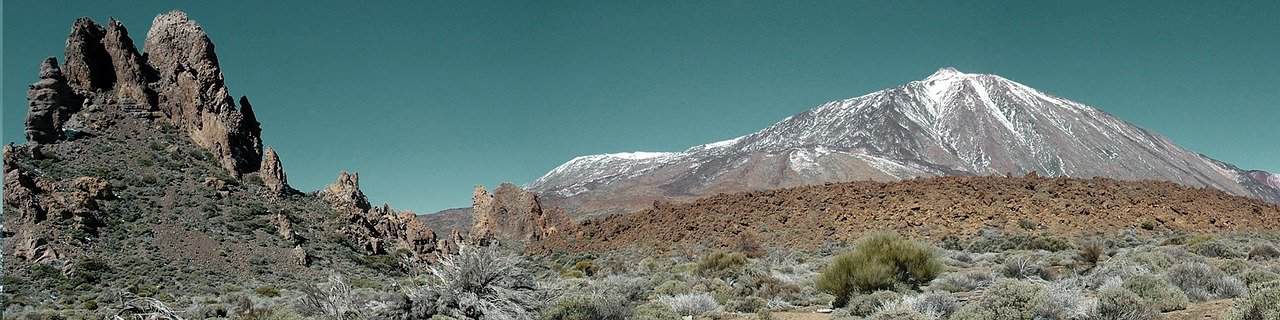
Tourism at Mount Teide
In the middle of the Atlantic Ocean stands Teide, a majestic volcano and the most recognizable icon of Tenerife. It is not only the highest point in Spain but also the cultural and natural heart of the island, a stage where nature and history shake hands. It attracts millions of people each year: some seek adventure among its hiking trails is spring and autumn. Winter brings low clouds to the northern slope, which beautifies Anaga and refreshes the hikes. and others come drawn by legends surrounding its summits. But what does Teide really mean for Tenerife and its people? How does its tourist magnetism affect the economy, the landscape, and the social fabric of the island?
Economic driver: volcano tourism
The numbers speak for themselves. In a recent year, just the cable car that crowns the mountain sold tickets for over seven million euros, with hundreds of thousands of visitors using this service. But the income doesn't stop there: excursions, astronomical observation, dining, shops, and all related transport generate an extraordinary economic flow. Municipalities like La Orotava, Vilaflor or Adeje find in this tourist flow a fundamental ally for their prosperity.
The economic boost is reflected in hotel occupancy, local gastronomy, vehicle rentals, and the creation of new businesses linked to active tourism. In fact, it is estimated that a large part of the tourism employment on the island depends, directly or indirectly, on the appeal of Teide.
A comparative glance helps to contextualize the magnitude of the phenomenon:
| Indicator | Approximate annual figure |
|---|---|
| Visits to the park (2024) | 5.242.653 |
| Cable Car Tickets (2021) | 221.026 |
| Cable Car Revenue (2021) | 7.093.882 € |
| Tourism employment in the Canary Islands (2024) | 358,230 people |
| Regional GDP generated by tourism | 21.424 M€ (36.8% of the total) |
The contribution of Teide to the island's economy is undeniable, although the official statistics do not exactly break down its weight. The park represents, in fact, one of the largest attractions within the Canary archipelago.
An ecotax is expected to be introduced for non-resident tourists. This new tax will strengthen investment in conservation, infrastructure, and environmental education, exemplifying a European trend aimed at balancing tourism development with the protection of natural resources.
Environment, overcrowding, and responses
This popularity, however, brings with it a notable challenge: the conservation of an extraordinarily fragile ecosystem. Five million people stepping on volcanic soils each year, parking wherever they can, and exploring even outside official routes, multiply the problems of erosion, soil compaction, and the introduction of non-native species.
The evidence is clear. The emblematic white broom of Teide, an endemic plant, has significantly decreased in areas of greater transit; new foreign species compete for space and resources; and private cars continue to congest parking lots, increasing CO₂ emissions.
The park has not stood idle. Restricted areas have been created, daily quotas for ascending the crater have been implemented, and the use of collective transport has been enhanced, all monitored with sensors and reinforced surveillance. Environmental education and signage reminding the importance of staying on trails play a prominent role, while the future ecotax will finance conservation actions and improve the experience for both visitors and locals.
Improvements in management are starting to be noticed:
- Daily quota of people to ascend the crater.
- 41 officially marked routes, signposted and with limited capacity.
- Growing commitment to shuttle public transport.
- Cleaning program, habitat restoration, and informational panels about wildlife and flora.
These steps seek an acceptable balance between tourist use and the protection of one of Europe's most peculiar ecosystems.
The volcano as a symbol and cultural reference
Beyond its silhouette, Teide is rooted in Guanche mythology, also marked by its historic eruption. Pre-Hispanic inhabitants revered it as a dwelling of gods and demons, a central stage for stories that still resonate on the island. The myth of Guayota and Achamán is part of the collective imagination surrounding Mount Teide. Today, the cultural heritage is preserved in craftsmanship, transhumance, and artistic expressions inspired by the volcano.
Its imprint is so profound that it appears on shields, flags, postcards, songs… Specialists and artists highlight this presence in everyday life and popular celebrations: from patron saint festivities to sports events, including exhibitions and cultural agendas revolving around the mountain.
Some examples of its cultural relevance:
- Denomination of Origin of the Teide broom honey.
- Etnographic routes: shepherd houses, transhumance paths.
- Festivals and literary works featuring Teide as the protagonist.
- Museums and interpretative centers dedicated to its legends.
UNESCO recognized all this value, integrating Teide into the World Natural Heritage list since 2007. This international seal consolidates the volcano's global status and strengthens local pride.
Proposals, activities, and experiences for all
What really distinguishes the tourist framework of Teide is the enormous diversity of activities. The national park offers experiences tailored for both experienced hikers and families, athletes, school groups, and international tourists.
Among the star activities are:
- Teide Hiking: 41 routes of varying lengths and difficulties, from the classic Roques de García to comprehensive itineraries like Siete Cañadas.
- Cable Car: a quick and spectacular way to ascend to the high mountain, ideal for those who cannot or do not wish to take long hikes.
- Astrotourism: observing the stars from the height of Teide is an unforgettable experience; clear nights allow contemplation of the sky in one of the areas of least light pollution in Europe.
- Guided tours: adapted to all levels, many incorporate scientific, cultural, and environmental content.
- Photography: especially during the flowering season or at dawn and dusk, Teide becomes the favorite setting for photographers from around the world.
There are also thematic proposals, from bike tours to family routes with playful content. Visitor centers, museums, and viewpoints complete the offering, providing information and services to both occasional visitors and specialized researchers.
| Activity | Difficulty level | Main audience | Featured modality |
|---|---|---|---|
| Hiking | Low–high | Family, athlete, student | Roques de García, Siete Cañadas, Pico Viejo |
| Astrotourism | Low | All public | Sunset & Stars, guided astronomical tours |
| Cable Car | Low | Family, senior, international | VIP tickets, combined with hiking |
| Scientific visits | Medium | Researcher, university student | Izaña Observatory |
| Cycling tourism | High | Athlete | High-altitude routes |
Companies have adapted to the varied visitor types, offering everything from multilingual guides to private experiences, family packages, or cultural immersion excursions.
Facilities, access, and sustainability
The national park and its surroundings, including the impressive volcanic caldera, boast infrastructure that meets expectations. The three main visitor centers, along with the Parador de Las Cañadas, welcome and guide those arriving from all corners of the world. Hotels, rural houses, and restaurants maintain a balance between comfort and Canarian authenticity. Additionally, public transport services and private shuttles allow visitors to reduce the impact of traveling by personal car, facilitating access in a more sustainable way.
There is systematic investment in improvements: more accessible trails, organized parking, ecological restrooms, and interpretive signage. The idea is clear: the experience must be safe, comfortable, and simultaneously respectful of the environment.
The educational legacy is gaining strength. Workshops, talks, and school activities raise awareness among young people and promote a culture of environmental respect. Even astronomical, geological, and ethnographic dissemination is an integral part of the experience, encouraging responsible tourism and a sense of identity.
A jewel looking towards the future
Teide is more than a tourist magnet; it is a living symbol, transformative and in constant dialogue with the territory. Its economy energizes municipalities, its culture weaves the Tenerife identity, and its biodiversity challenges administrators and scientists to reinvent management every year.
Generating wealth without depleting the resource, informing without trivializing the experience, and ensuring that each visitor becomes an ally of conservation are the major challenges of the upcoming decade. Tenerife's commitment combines innovation, sustainability, and a global vision that never renounces its local essence.
The volcano, sentinel of the island, continues to gaze at the sky and watch over the dreams of those who visit. Immense, serene, and challenging, it embodies the balance between nature, culture, and the human desire to peek once again into the blue abyss of the Atlantic.