
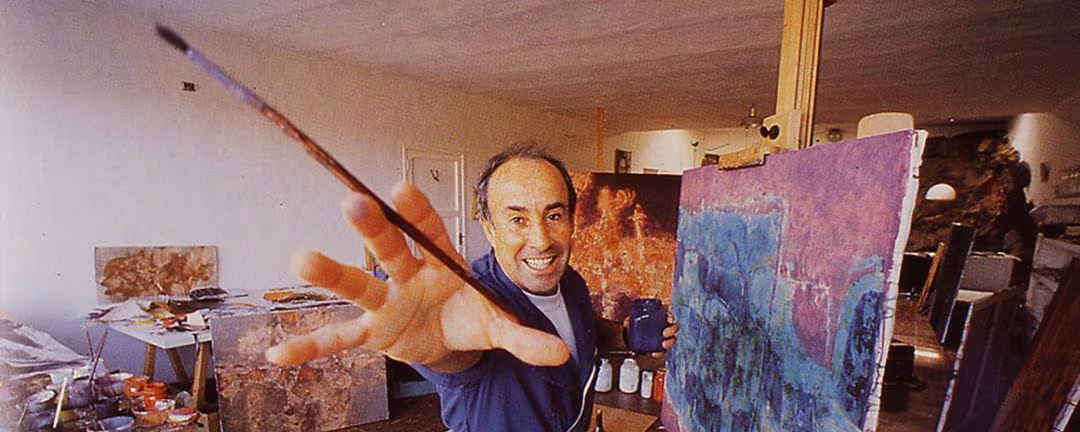
Lanzarote Documentary: A Glimpse at Its Artists
It is fascinating how a small island in the Atlantic can transform into a gigantic laboratory for creativity and art. Lanzarote, the most eastern jewel of the Canary Islands, not only stands out for its volcanic landscapes but also for an atmosphere that has magnetized visionary creators for decades. A renowned documentary captured this unique energy of cinema, exploring the life and work of artists who, in the sixties, turned Lanzarote into a synonym for cultural effervescence.
An unmatched environment: nature, art, and genesis
One only has to observe the abrupt volcanoes, the ochre tones that dominate the landscape, and the sea of lava to understand why Lanzarote seduced so many artists. The dark flows, the craters, the malpaís, and the resilient vegetation create an unparalleled backdrop. This environment not only provides inspiration; it literally conditions the way of creating. From the blinding light to the trade winds, each element of the island seems designed to stimulate the imagination.
Iconic artists of the ’60s in the Lanzarote documentary
It is no coincidence that many artists, fleeing large urban centers, chose Lanzarote seeking not only calm but a place where nature sets its own rules and creative impulse finds genuine resonance.
The sixties brought winds of change not only in international politics or music but also in artistic and social movements. Lanzarote, relatively isolated from the continent, revealed itself as a refuge and a breeding ground for innovation.
César Manrique: transforming the island into a canvas
If there is one name that resonates strongly in the cultural memory of Lanzarote, it is César Manrique. A complete artist: painter, sculptor, architect, and, above all, a defender of the symbiosis between art and nature. The documentary highlighted how Manrique not only drew inspiration from the landscape but also protected and shaped it.
Main contributions of Manrique
- Creation of the Centers for Art, Culture, and Tourism: iconic places like Jameos del Agua, the Mirador del Río, or the Cactus Garden would not be possible without his vision.
- Aesthetic defense of buildings: Manrique promoted urban planning in harmony with the environment, limiting height and promoting the use of traditional colors and materials.
- International promotion: he helped project Lanzarote as a cultural and artistic destination without losing its authenticity.
His ideology can be summed up in a phrase that still resonates on the island: “Nature is the best and wisest teacher”. Under this prism, every artistic intervention integrates, never competes with the territory.
Beyond Manrique: a constellation of talent
The influence of César Manrique was not just direct. His vitality and example radiated and helped to consolidate a diverse creative community. National and international artists found fertile ground for their projects on the island, developing new languages and ways of experiencing art.
The documentary film captured various testimonies and processes:
- Martín Chirino: sculptor with deep roots in the Canary Islands, engages with iron and wind, shaping forms that seem to spring from the very lava.
- Ildefonso Aguilar: explores the landscape from a minimal sound and visual perspective, capturing the essence of volcanic silence.
- Pancho Lasso: pioneer of sculpture on the island and mentor to new generations.
Moreover, in improvised workshops and galleries, artistic life flowed spontaneously, stimulating new collaborations.
The sixties: Lanzarote as a cultural hotbed
The documentary highlighted the significance of the sixties in history as a period of openness. The gradual arrival of tourists and foreign individuals, combined with the courage of local pioneers, illuminated new opportunities. The climate of creative freedom was palpable; material restrictions were supplemented by ingenuity and collaboration.
It is crucial to underline the influence of art schools and informal circles of debate. Many collective projects arose from conversations at the water's edge or within the walls of white houses open to experimentation. Lanzarote began to be recognized outside of the Canary Islands, and soon some of its artists exhibited internationally.
Inspiration and production: creative processes to the limit
One of the most striking aspects was the way creators utilized indigenous resources. Volcanic ash, driftwood, basalt stone, or endemic flora, all found their place in canvases, sculptures, and compositions.
Next, a quick overview of some raw materials and their creative use, as portrayed in the documentary:
| Material | Predominant use | Example / Featured Artist |
|---|---|---|
| Volcanic stone | Sculpture and architecture | Manrique, Chirino |
| Driftwood | Installations and furniture | International artists |
| Ash (picón) | Painting and printing | Ephemeral interventions |
| Local clay | Artistic ceramics and murals | Pancho Lasso |
| Natural light | Photography and video art | Ildefonso Aguilar, new creators |
This ability to turn scarcity into advantage defines the character of the artists from Lanzarote and explains why so many works seem to be born organically from their landscape.
The role of visitors: exchange and fusion of ideas
The flow of foreign visitors, many of them artists or bohemians, imparted an unusual cosmopolitan air to Lanzarote in a remote island. Curious stylistic fusions arise, abstract art alongside figurative, or imported techniques rethought from the local perspective.
Among the testimonies in the documentary, some foreign artists recounted how Lanzarote had forever changed their color palette or altered their sense of space.
Cultural centers: art within everyone's reach
The work of creators in the sixties was also felt in the opening of cultural spaces. Museums, galleries, and halls, often reclaiming traditional buildings, became focal points for social and artistic dynamization.
Among the most emblematic are:
- Jameos del Agua: volcanic cave converted into a multipurpose center, the ultimate example of integration between art and nature.
- International Museum of Contemporary Art (MIAC): with a growing collection of Canary Islands works and others from afar.
- House Museum of the Peasant: a tribute to popular knowledge and island craftsmanship.
These spaces not only host exhibitions but also function as meeting points, debates, and training, keeping alive the flame of the legacy from the sixties.
Tradition and modernity
A revealing trait of the island's artistic culture is the respect for tradition combined with a avant-garde perspective. Ancestral techniques of pottery or basketry continue but are reinterpreted with contemporary forms. The documentary illustrates how young creators engage in dialogue with the past while experimenting with new technologies and digital languages.
Artists like Herminia Fariña, a promoter of modern textile art projects, or multimedia collectives, showcase the dynamism of an ever-reviving artistic scene.
Lanzarote as a model of aesthetic sustainability
The impact left by the protagonists portrayed in the film is not measured only in works. Lanzarote is a pioneer in understanding tourism, urbanism, and art as inseparable dimensions. The visual harmony of the island, minimal visual pollution, preservation of natural elements, and careful architecture are, to a great extent, a result of the commitment from the sixties.
Thousands of visitors arrive each year, not only attracted by the beaches or the sun, but seeking that sensation of paradise, where everything fits, where art and nature go hand in hand. Artistic routes, cultural tours, and the voices of so many creators continue to pulse in every corner.
Relevance of the documentary and the artistic legacy
Years after its premiere, the documentary is still considered an indispensable reference for understanding the spirit of Lanzarote. Its ability to convey energy, a sense of community, and love for the environment has served to inspire new generations of artists and visitors.
Any viewer, even those without prior knowledge of art, perceives that unique atmosphere: Lanzarote not only shapes those who inhabit it but also transforms those who look at it, listen to it, and feel it. The island continues, fertile and inexhaustible, inviting to create and to dream.