

How to start a new life in the Canary Islands
The Canary Islands are not just a dream tourist destination: more and more people are deciding to move to the Canary Islands to enjoy its privileged climate, quality of life, and balance between modernity and tradition. But before packing your bags, it is essential to understand the practical aspects that define daily life in the archipelago. This guide answers the key questions about cost of living, healthcare, rent, employment, taxation, and administrative procedures —everything you need to plan your move with security and realism.
Cost of living in the Canary Islands: is it really cheaper?

Although the Canary Islands have a cost of living slightly lower than the Spanish mainland, it is not uniform across all islands or sectors. For example:
- Basic food items: Thanks to the Economic and Fiscal Regime (REF), many products have reduced prices, especially essential goods.
- Transport: Public transport is affordable (buses from €1.50), but a car is still almost essential outside the capitals.
- Leisure and dining: Eating out is affordable; a menu of the day costs around €10–13 in non-touristy areas.
- Public services: Water and electricity can be more expensive than on the mainland due to insularity.
In general, a single person can live comfortably on between €1,000 and €1,400 per month, depending on the island and lifestyle.
Healthcare system: universal and quality access

The healthcare system in the Canary Islands is part of the Spanish National Health System, so it is public, universal, and free for those who are registered and contributing or have derived rights (dependent relatives).
- If you come from another EU country, you can use the European Health Insurance Card temporarily.
- If you are a non-EU citizen, you must apply for the Canarian health card after obtaining your NIE and registration.
- Care is of high quality, with modern hospitals in Tenerife, Gran Canaria, and Lanzarote, although in smaller islands (such as La Gomera or El Hierro) services are limited to health centers.
💡 Tip: Register as soon as possible. It is the first step to access healthcare, education, and other public services.
Renting: where to live and how much to pay

The real estate market varies drastically depending on the island and area:
| Area | Average rent price (1 bedroom) |
|---|---|
| Las Palmas de Gran Canaria | €650–850 |
| Santa Cruz de Tenerife | €700–900 |
| Costa Adeje / Playa de las Américas | €800–1,100 |
| Rural areas (Anaga, Agaete, etc.) | €450–650 |
| Isle of La Palma or El Hierro | €400–600 |
Rents have risen in recent years, especially in tourist areas. It is recommended to:
- Look outside the center if you seek tranquility and better value for money.
- Check that the apartment has a habitation certificate and a registered contract.
- Avoid cash payments without a contract: protect your rights as a tenant.
Work in the Canary Islands: opportunities and challenges

Employment is strongly linked to tourism, hospitality, and services, although there are also niches in:
- Renewable energies (especially wind and solar)
- Sustainable agriculture (banana, wine, avocado)
- Blue economy (fishing, aquaculture, marine biotechnology)
- Remote technology (many digital nomads settle here)
However, the average salaries are lower than the national average: between €1,200 and €1,600 gross/month in many sectors. Unemployment hovers around 15–18% in some islands.
🌐 If you work online, the Canary Islands are ideal: stable 4G/5G connection, coworking spaces in all capitals, and GMT+1 time zone (perfect for Europe and America).
Unique taxes and tax advantages
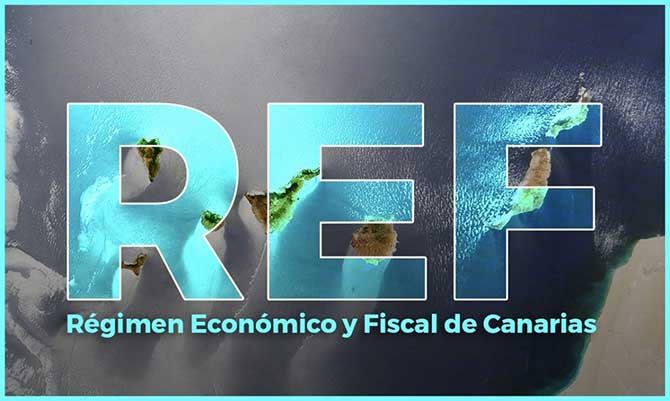
Thanks to the Economic and Fiscal Regime (REF), the Canary Islands have exclusive benefits:
- IGIC instead of VAT: general rate of 7% (vs. 21% on the mainland).
- Reserve for Investments in the Canary Islands (RIC): deduction of 25–40% on business investments.
- ZEC (Canary Special Zone): registered companies only pay 4% Corporate Tax.
- Inheritance and Donations Tax: very high bonuses (up to 99.9% in some cases).
This makes the archipelago a magnet for entrepreneurs and retirees, although it does not exempt personal income tax (progressive, as in all of Spain).
Documents required to move to the Canary Islands
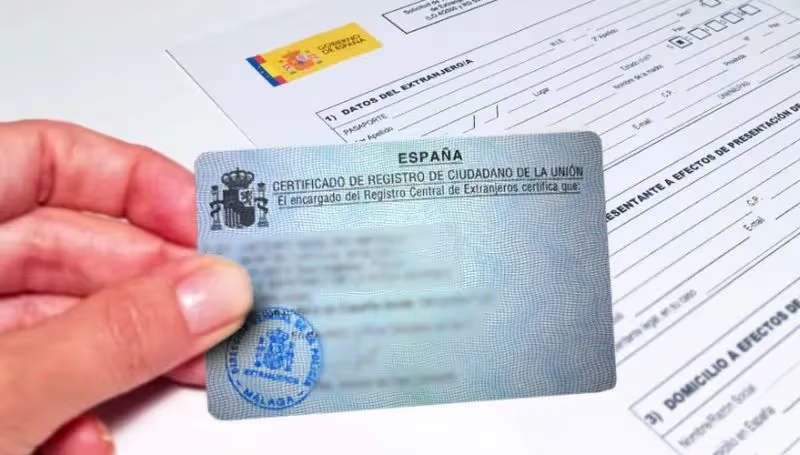
If you are an EU citizen:
- NIE (Número de Identidad de Extranjero) – mandatory.
- Registration at your local municipality office.
- Community residence card (optional, but recommended if you plan to stay longer than 3 months).
- Social Security if you work for someone else or are self-employed.
If you are a non-EU citizen:
- Residence visa (from your country of origin).
- TIE (Foreign Identity Card) after arrival.
- Employment contract or proof of sufficient income (for non-profit visa).
- Private health insurance (until obtaining public health card).
⚠️ Important: The Canary Islands are part of the European Union and the Schengen area, but have special customs controls. It is not 'foreign,' but is an ultra-peripheral territory.
Conclusion: Is it worth moving to the Canary Islands?
Yes —if you seek stable climate, relaxed lifestyle, contact with nature, and authentic culture. But it is not a paradise without challenges: unemployment, bureaucracy, and logistical dependence on the outside are realities.
With planning, patience, and this guide in hand, you can turn your dream of living in the Canary Islands into a real, sustainable, and deeply rewarding experience.
Frequently asked questions (FAQ)
Can I move to the Canary Islands without a job?
Yes, if you can prove stable income (minimum ~€800/month) or sufficient savings. Ideal for retirees or digital nomads.
Is it easy to find long-term accommodation?
It depends on the season and the island. Outside of summer and in non-touristy areas, yes. In Costa Adeje or Maspalomas, it competes with vacation rentals.
Do I need to learn Spanish?
Yes. Although English is spoken in tourist areas, everyday life (doctors, administrative offices, neighbors) requires a basic-high level of Spanish.
And what about silbo gomero or the Canarian dialect?
It is not necessary, but you will love it! The Canarian accent is soft and musical, and silbo is UNESCO heritage (only in La Gomera).