

Embalming in Aborigine Societies
Canarian Aborigine Embalming: History and Rituals
What was Canarian aboriginal embalming?
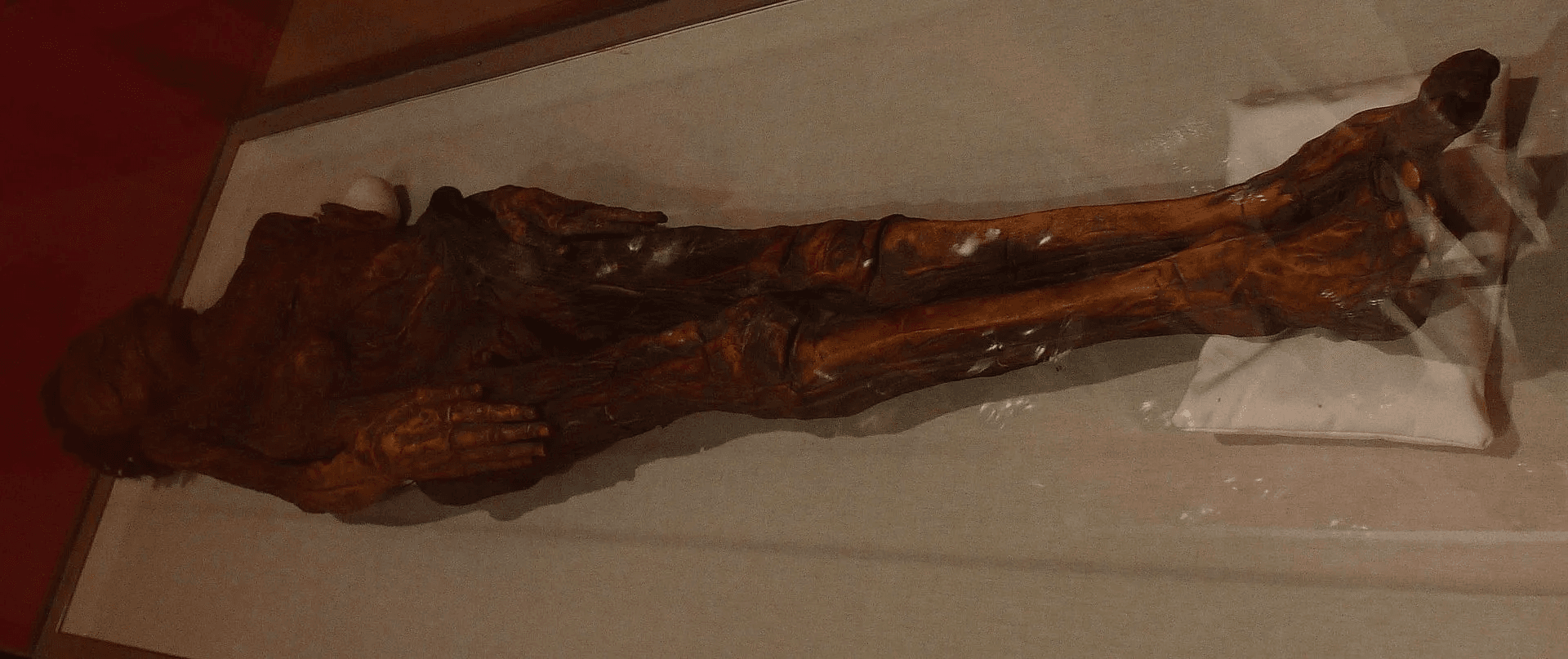
The Canarian aboriginal embalming was a funerary practice exclusive to certain social groups in Gran Canaria and Tenerife before the Spanish conquest. Unlike what occurred in Ancient Egypt, this process was simpler and was primarily performed on high-ranking individuals, such as the Menceyes.
The word used by the aborigines to refer to this technique is "MIRLADO" , while the finally preserved body was called "XAXO" , a term that means something like "dried and hardened body."
Origin and early descriptions
The first written testimony about the Canarian aboriginal embalming was left by Diogo Gomes de Sintra, a Portuguese sailor who visited the Canary Islands before the arrival of the Spanish. In his chronicles, he describes how the internal organs were extracted from the body and filled with butter, then deposited in caves or even thrown into the sea after a year of observation.
Fray Alonso de Espinosa, a 16th-century chronicler, detailed how the body was exposed to the sun for at least 15 days until it became "xaxo" , a state of natural preservation without complex chemical products like those used in Egypt.
Differences with Egyptian mummification
Although they share similarities, there are significant differences between the Canarian aboriginal embalming and Egyptian mummification:
- In the Canary Islands, no salts or advanced chemical substances were used.
- The processes were simpler and depended on the dry climate of the islands.
- It only affected the social elite, not the general populace.
- There are no clear religious records associated with this practice due to the destruction of aboriginal culture during colonization.
Where was it practiced?
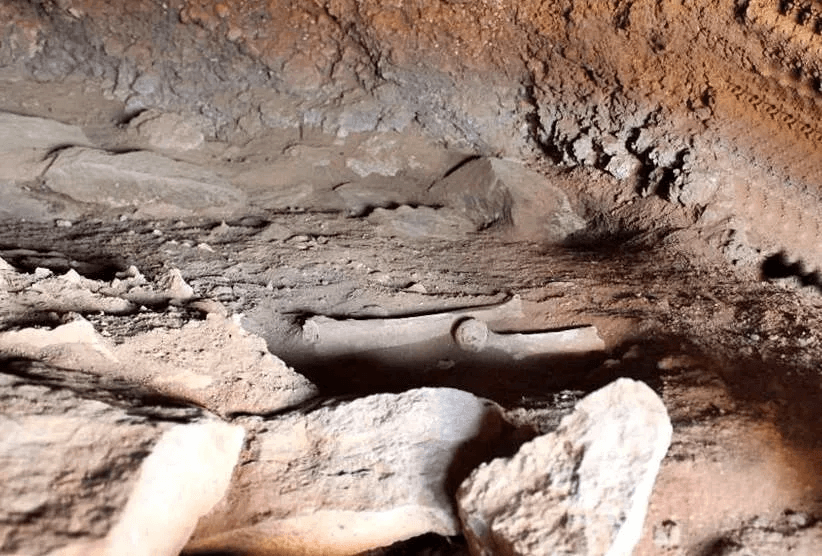
This practice was limited to Tenerife and Gran Canaria , and no evidence of it has been found on other islands in the archipelago. Furthermore, each island had its own variant of the mirlado , adapting to local conditions and the status of the deceased.
The bodies were deposited in caves or hollow trunks of Canary pines, like those seen in the Museo Canario in Las Palmas de Gran Canaria.
Legacy and cultural significance
Although we know a lot about the Canarian aboriginal embalming , many mysteries remain. The lack of writing and the destruction of documents during the conquest hindered a deep study of these practices. What we do know is that they reflect a special view of the body and death, where respect for ancestors played a fundamental role.
Conclusion
The Canarian aboriginal embalming is a unique example of how ancient peoples handled death and memory. This process, although different from Egyptian mummification, shows a high level of social organization and spirituality in Guanche cultures.
If you want to learn more about this topic, we invite you to read our article on the Guanche mortuary rituals and how they compare with other ancient civilizations.