
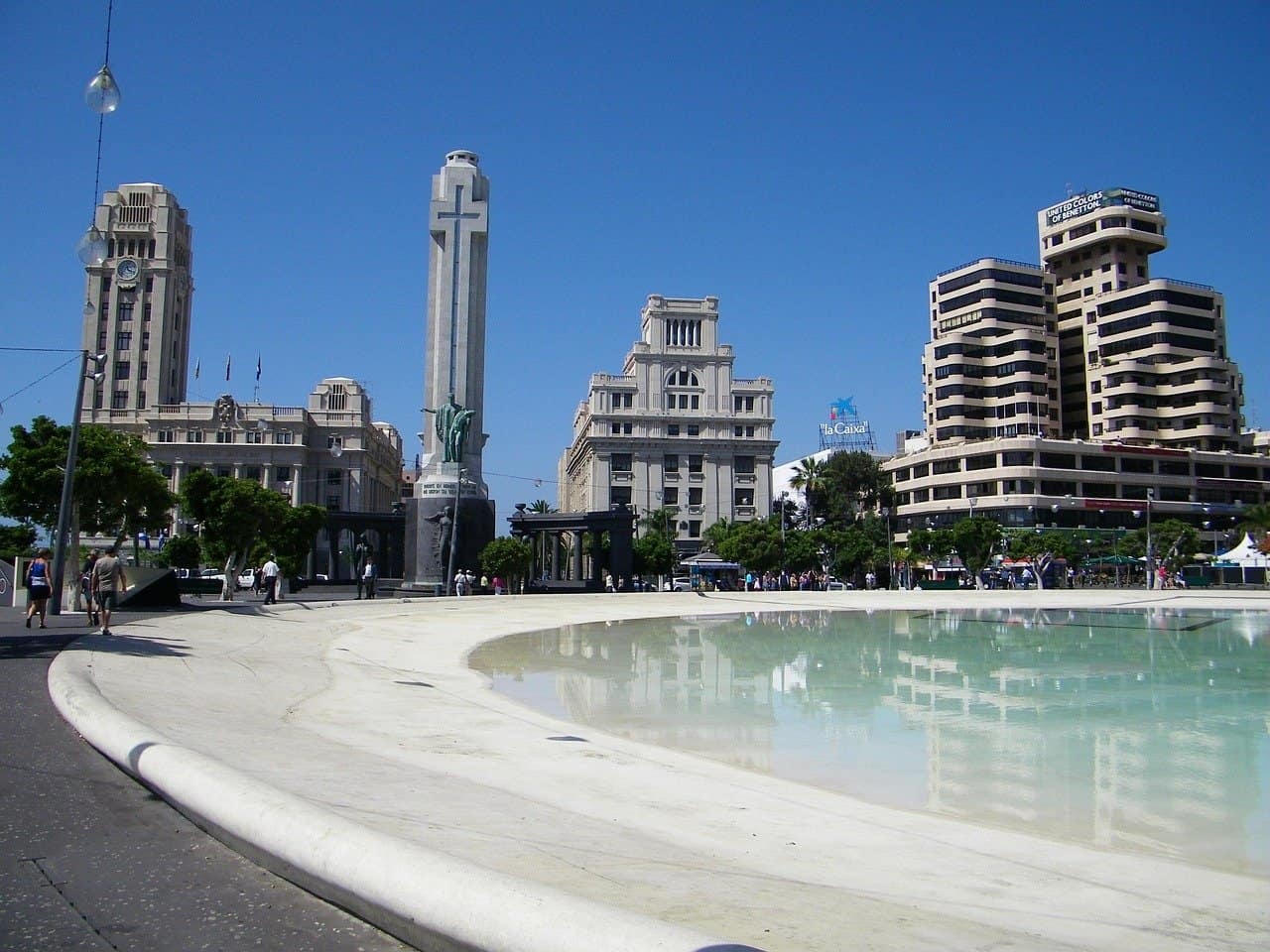
Santa Cruz de Tenerife: vibrant capital
In the heart of the Atlantic, Santa Cruz de Tenerife, within its province, presents an image of a vibrant and modern city, capable of surprising both its inhabitants and visitors, serving as the cultural capital of the region. This municipality, with over 500 years of history, has transformed into a true reference of urban dynamism, diversity, and modernity, perfectly complemented by the natural wonders of the Anaga rural park. It is enough to stroll through its streets, attend its events, or talk to those who live there to perceive that unique energy that distinguishes it, even at different altitudes of the city.
A city where culture never rests
Santa Cruz breathes culture and history 365 days a year. The city's agenda is as intense as it is genuine: large outdoor concerts, thematic exhibitions, lively neighborhood festivals and, above all, its mythical Carnival, a social phenomenon that transcends borders. For weeks, in February or March, the murgas, comparsas, and costumes take over the squares and avenues, while the nearby Anaga Rural Park offers a unique natural retreat, plunging residents and visitors into an explosion of creativity and color. But the cultural pulse of the capital is not limited to those days: museums, cultural centers, and the very Casa del Carnaval, located at the foot of a majestic mountain, keep artistic memory and innovation alive with exhibitions, talks, and activities for everyone.
The decentralization of cultural life enhances its projection and accessibility. Exhibitions like the Comic Fair, neighborhood initiatives, and specialized fairs give Santa Cruz a variety that captivates both curious children and experts in contemporary art. This ability to offer diverse programming places it at the forefront of Canary Island urban cultural expressions.
Key spaces for expression
Santa Cruz provides iconic stages for artists and citizens, among which stand out:
- Museum of Fine Arts
- TEA (Space of Arts)
- Auditorium of Tenerife Adán Martín**
- La Recova Art Center
- Carnival House
The result is an artistic effervescence that boosts the local economy and reveals the advanced character of the capital.
Social mosaic and openness to the world
One of the greatest strengths of Santa Cruz de Tenerife lies in its varied demographic composition and diverse population. About 18.5% of its 211,000 inhabitants were born outside Spain, bringing a diversity that is reflected in daily life. The presence of a large Latin American community, mainly Venezuelan and Cuban, stands out, blending tradition and modernity, infusing the city with unique flavors, accents, and customs.
Here, strolling through the markets or attending a school means sharing spaces with people from very different backgrounds. This enriches the social fabric and is reflected in:
- Multicultural schools where more than a dozen languages coexist.
- Shops and restaurants offering international products.
- Parties and festivals where music and gastronomy cross borders without prejudice.
This plurality makes the Tenerife capital a tolerant, open space conducive to cultural and economic exchange.
| Origin of foreign residents in Santa Cruz de Tenerife | Approximate number |
|---|---|
| Venezuela | 13.419 |
| Cuba | 5.426 |
| Colombia | 2.619 |
| Italy | 1.392 |
| Morocco | 817 |
Source: Diario de Avisos, 2025
Gastronomy: flavor, tradition, and innovation
The culinary landscape of Santa Cruz is as broad as its social diversity. Enjoying a good traditional dish in a typical guachinche or dive into trying avant-garde creations in an award-winning restaurant, everything is possible under the mantle of the capital. Historical neighborhoods like La Noria host taverns with centuries of tradition, while a new generation of chefs revisits local recipes from an innovative perspective.
Santa Cruz de Tenerife has more than 290 restaurants, cafés, and bars, many of which are recognized for their quality in guides like Michelin, thanks to honest proposals and a strong commitment to local products. Gastronomic fairs, such as GastroCanarias, and the municipal promotion of local products reinforce its role as the capital of good eating.
Nightlife, for its part, maintains its pulse with tapas bars, Latin pubs, signature cocktail bars, and nightclubs of various styles, fostering encounters between generations and cultures.
Tourist engine and economic driver
Santa Cruz is not only the political and administrative heart of Tenerife but also the gateway for millions of visitors. Its strategic location makes it the 'kilometer zero' for those arriving on the island, whether from tours across Tenerife, international cruises, or urban tourists, thus boosting tourism. Each year, the city receives around 2.3 million visitors, a figure that reveals its strong tourism appeal.
The capital's port, considered one of the most active in the Atlantic, has boosted the arrival of cruise passengers, while good hotel occupancy rates in recent years reflect the city's power as an urban destination.
Cultural activities, dining, and commerce benefit from tourist flow, maintaining a positive economic cycle. Municipal tourist information offices handle over 130,000 inquiries annually, confirming the vitality of a sector that supports thousands of jobs and enhances the city's international visibility.
Infrastructure: quality public space and coexistence
Santa Cruz is decisively investing in a modern and efficient infrastructure network. From public transport —with the metropolitan tram and the traditional buses of TITSA— to the large squares, urban parks, and pedestrian zones, the city is equipped to facilitate everyday life and encourage popular gatherings.
García Sanabria Park, a 30,000 square meter green lung and Cultural Heritage Site, as well as the recently renovated Maritime Park near the beach, offer natural refuges, spaces for sports, and a clean and safe environment for everyone. These settings not only improve air quality: they promote outdoor activity and serve as centers for socialization and well-being.
Architecture and urban modernity
The capital of Tenerife has managed to reinvent its skyline by integrating architectural boldness with respect for history. The Auditorium of Tenerife Adán Martín, designed by Santiago Calatrava, stands as an icon of local architectural advancement, accompanied by the imposing Torres de Santa Cruz de Tenerife, which have marked the city’s silhouette for two decades.
Urban renewal has brought a wave of contemporary facilities: from the TEA, a gem for art and libraries, to modernized sports installations and civic centers. Centuries-old buildings coexist with glass, concrete structures, natural light, and a touch of nature, showcasing how capital urbanism embraces innovation without renouncing collective memory.
Municipal services and digital innovation
Santa Cruz has made digital efficiency a hallmark of urban management. The updated and free municipal apps bring administration closer to citizens and facilitate direct participation in the care of the city. The functioning of SC Mejora, for example, allows notifying incidents at the click of a button and resolving them quickly.
This digitization goes hand in hand with European modernization programs. Digital panels for pedestrians, electric vehicle charging points, tourist video guides, and a solid online citizen service system are realities that position the city among the most prominent Smart City projects in the Canary Islands.
Sustainable mobility and renewable energy
Sustainable development is a daily focus of the city model, highlighting the importance of the biosphere reserve in urban planning. The Sustainable Urban Mobility Plan promotes the implementation of bike lanes, improves pedestrian signage, and reduces space for cars in favor of renewed and eco-friendly public transport.
Santa Cruz does not settle for mobility; it promotes electric self-consumption in public facilities and energy efficiency in lighting. New solar panel projects in schools and municipal buildings, funded by European funds, ensure a greener and self-sufficient city.
Urban tools for environmental and social balance
- New green areas and pedestrianization in central areas.
- Programs to reduce noise and visual pollution.
- Regeneration of neighborhoods, increasing universal accessibility.
- Conservation of parks and historically declared BIC heritage.
Education, science, and local talent
Santa Cruz bets on a knowledge economy, where science, research, and technology are protagonists. The presence of the University of La Laguna and the Technological Institute of the Canary Islands allows for the development of cutting-edge projects in robotics, energy, biotechnology, and digitization. Alliances between the university, local businesses, and administration create an ideal environment for entrepreneurs and startups.
Events like "Tecnológica SC" highlight the successes of local businesses and bring innovation closer to citizens, enhancing an ecosystem that attracts talent and multiplies professional development opportunities.
It's not just about training; it's about retaining and attracting brilliant minds, turning innovation into jobs, and challenging other Spanish capitals from the Atlantic periphery.
Santa Cruz: a capital in constant renewal
The union of tradition and modernity, of vibrant culture and advanced planning, makes Santa Cruz de Tenerife a model of a vibrant, welcoming, sustainable capital connected to the future. A city that does not shy away from challenges and turns each day into an opportunity to grow, share, and celebrate.
Those who know it sense in its streets a cosmopolitan air that anticipates trends while being anchored to its island identity. And those who choose it always look to the future with hope.