
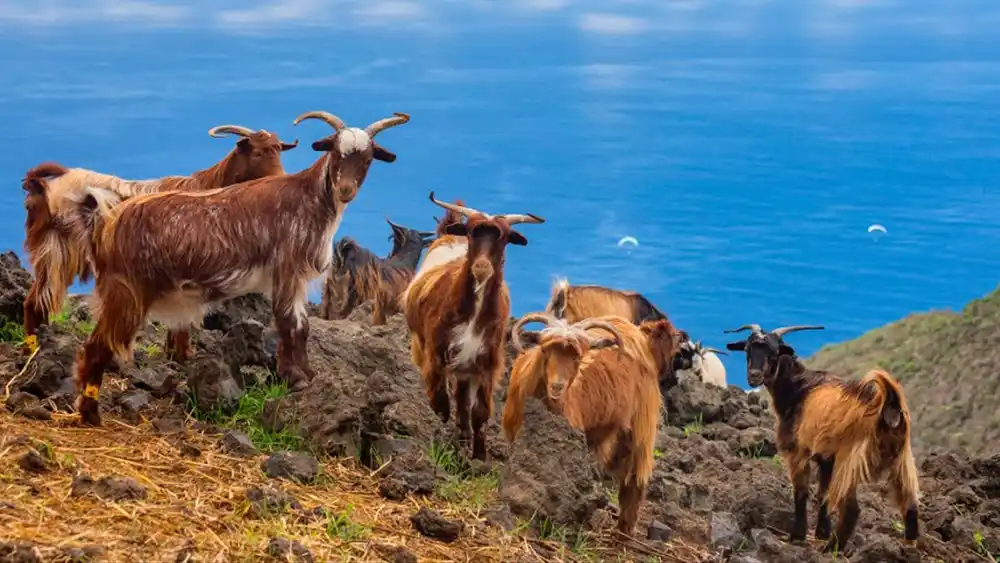
The raising of goats in Fuerteventura has several centuries of history.
The raising of goats has several centuries of history
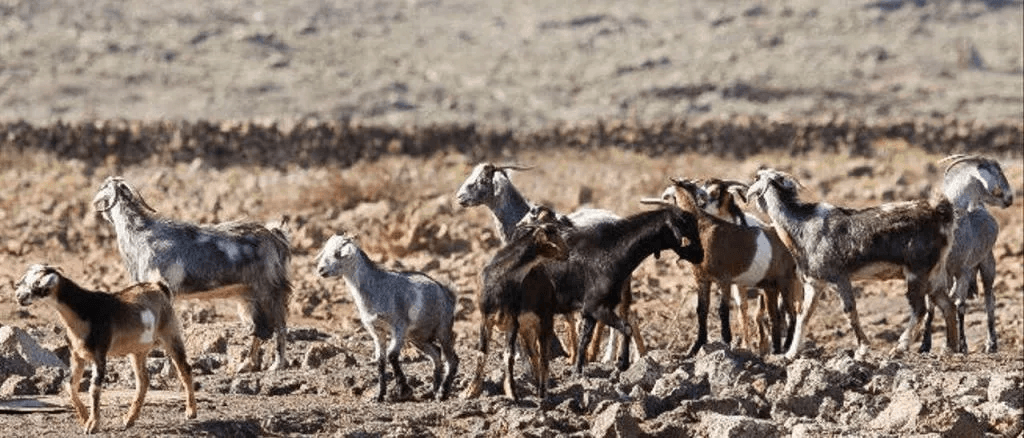
The raising of goats in Fuerteventura has a millenary history , deeply rooted in its culture and economy. Since the first human settlements on the island, around the first century AD, goats have been key to the survival of its inhabitants.
Importance of goat farming
Goats not only provided meat and milk but also leather, bones, and horns that were used for tools and rituals. With the arrival of European conquerors, it was documented how this species perfectly adapted to the dry and arid climate of Fuerteventura. Its high reproductive capacity and resistance allowed goat farming to consolidate as the most viable in the region.
Current challenges
Today, many herds live in semi-freedom and travel long distances in search of food. However, this has led to soil erosion problems and conflicts between farmers and ranchers. Historically, since the 16th century, there have been tensions over land use: farmers seek to protect their crops while breeders defend free grazing.
Institutional measures
To balance these interests, the Cabildo of Fuerteventura has taken measures such as hiring guardians and moving herds during planting. This practice has pre-Hispanic roots and is still in force today.
Culinary legacy
The raising of majorero goats has given rise to one of the island's most famous products: goat cheese. This product, internationally recognized, is a local pride and an example of the added value of traditional livestock farming. You can learn more about this type of cheese at the official site of Queso Majorero . We also invite you to read our internal article about the history of grazing in the Canary Islands .