
In 1599, the Flemish pirate left the city
The plague in Las Palmas de Gran Canaria
The Dutch attack and the plague in the Canary Islands in 1599
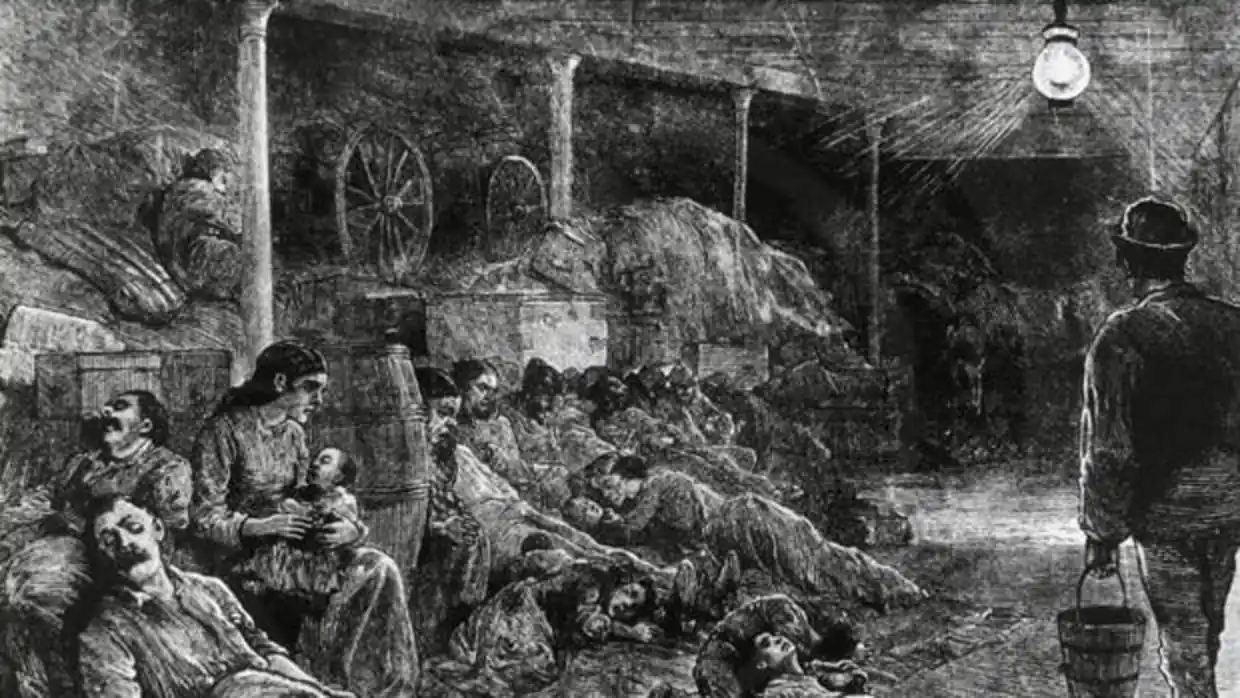
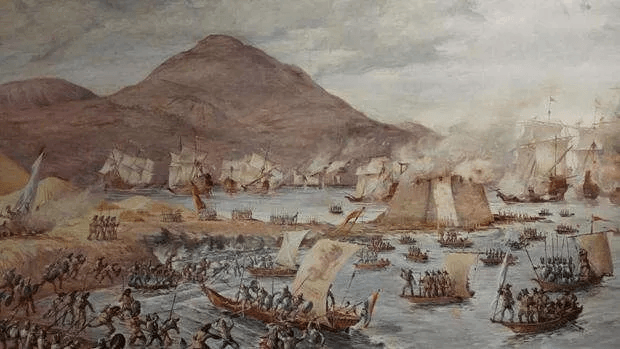
In 1599, the Dutch pirate Pieter Van der Does attacked Las Palmas de Gran Canaria. This event marked the beginning of a serious crisis that included hunger, looting, and the spread of the bubonic plague. After the siege, the city was left without economic resources to hire doctors or supply food, which worsened the health situation.
The epidemic quickly spread to other areas of Gran Canaria, such as Telde, Guía, and Gáldar. In the capital, at least 25% of the population died. To contain the contagion, the local government had to temporarily relocate, although ultimately the disease also reached Guía.
The plague in the Canary Islands likely arrived from Seville or Madeira. It was the merchant ships, some coming from Holland, that brought the disease. The lack of resources prevented effective measures, such as hiring external medical personnel. There were even instances of firing at suspicious vessels trying to reach Tenerife from infected areas.
This context of war and disease caused significant human and economic losses. Before the attack, there was already a famine that forced borrowing from the Church. After the Dutch invasion, the situation worsened significantly.