
The Cave of Tajuya and the Mystery of the Soul of Everything
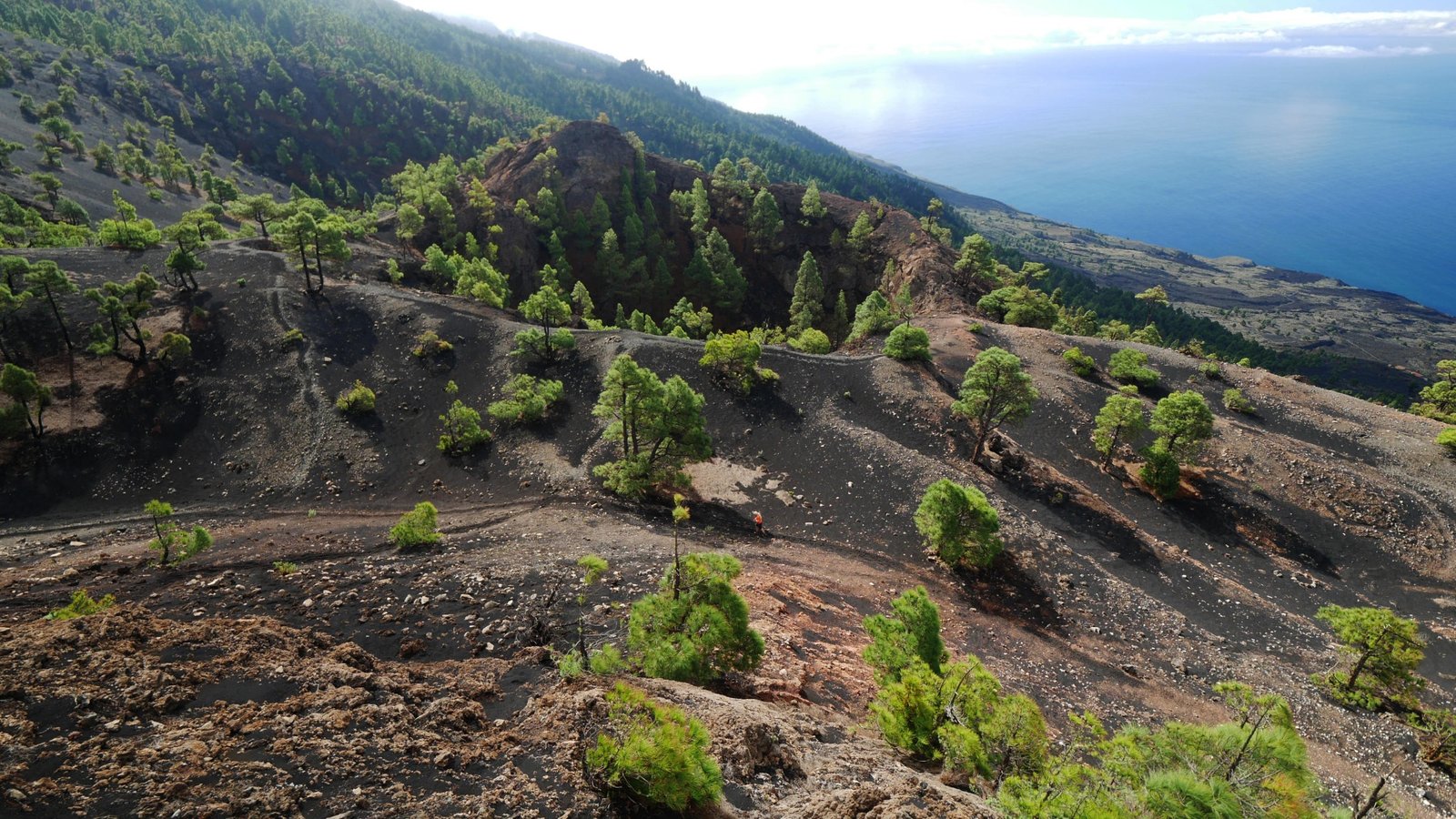
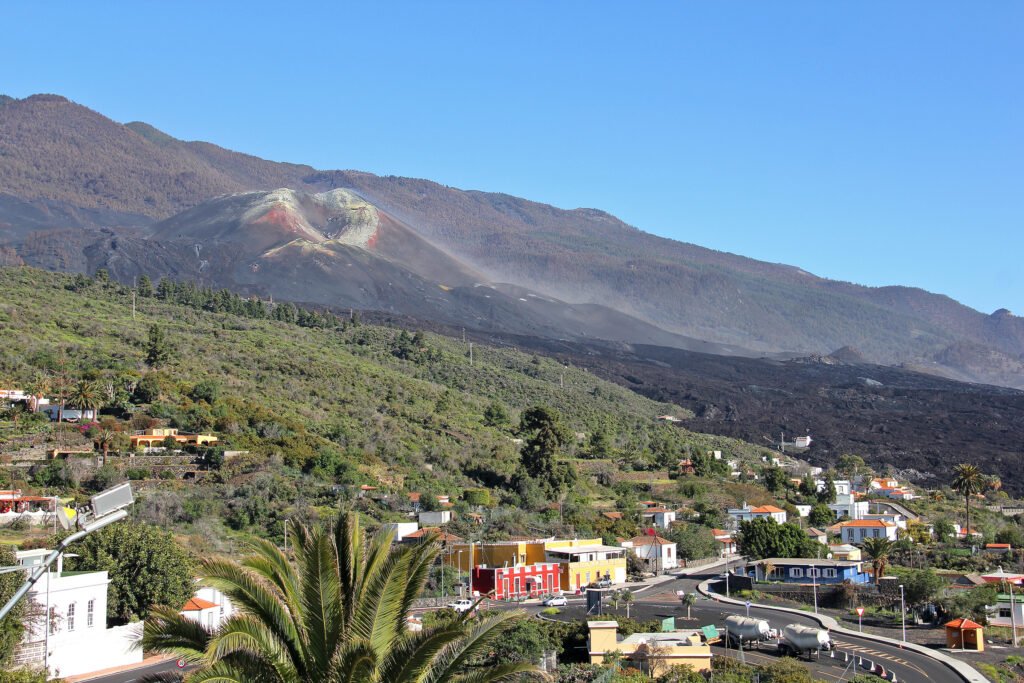
On the slopes of the San Juan volcano, nestled in the rural heart of the municipality of Tajuya, lies one of the most enigmatic and spiritual places of La Palma: the Cueva de Tajuya.
This space is not only a geological refuge carved by time but a sanctuary where the ancients benahoaritas —the island's first inhabitants— left their mark of their worldview through a unique archaeological piece: the Idol of Tara, also known as the “Soul of Everything”.
An idol that breathes the universe
Discovered inside this cave, the Idol of Tara is a baked clay figure just a few centimeters tall, but with immense symbolic weight.
It represents a human being with prominent eyes —as if they were looking beyond the visible world— and a ceremonial headdress that evokes spiritual authority. Although its form is simple, its meaning transcends the material.
For the benahoaritas, this idol was not just a simple object of worship; it was the embodiment of the vital force that animates the universe, an invisible energy that connects sky, earth, and sea.
Some researchers link it to agricultural fertility rituals or community protection, while others interpret it as a manifestation of the mother goddess, source of life, balance, and cyclical renewal.
Between rock and spirit
Visiting the Cave of Tajuya today is much more than an archaeological excursion: it is an introspective experience. In the silence of its volcanic walls, the echo of ritual chants, offerings, and prayers directed to the “Soul of Everything” still seems to resonate.
The place invites you to pause, to listen to the wind between the cracks, and to imagine how the ancient inhabitants of La Palma understood their place in the cosmos.
Unlike other Canarian sites, the Cave of Tajuya retains an aura of intimacy and mystery. It is not overly exploited for tourism, allowing for an authentic connection with the past. It is an ideal corner for those seeking deep cultural tourism, far from the crowds, in tune with nature and history.
La Palma: island of memory and myth
The presence of the Idol of Tara in Tajuya reinforces the role of La Palma as a guardian of Guanche memory.
While other islands underwent a more abrupt transformation after the conquest, many elements of the benahoarita culture persisted in legends, toponyms, and rural practices.
Today, thanks to conservation and dissemination initiatives —like the cultural webcams of CanariasLife—, these spiritual treasures come back to life for new generations.
Tips for your visit
- Location: The cave is located near the hamlet of Tajuya, in the municipality of Los Llanos de Aridane. Access is easy, although we recommend going accompanied by local guides or consulting in advance with the Archaeological Museum of La Palma.
- Respect: This is a protected space. Touching the walls or leaving waste is not allowed.
- Ideal combination: Take advantage of your route to also visit the Roque de los Muchachos, the viewpoints of the Caldera de Taburiente or the wineries of Fuencaliente, where winemaking tradition intertwines with volcanic geography.
Conclusion: beyond the stone
The Tajuya Cave does not just guard a clay idol; it holds a vision of the world in which everything is interconnected.
In an era marked by disconnection, this corner of La Palma reminds us that the earth, the sky, and the spirit can still speak—if we know how to be silent and listen.
Ready to discover the “Soul of Everything”? Open our live webcam of La Palma and let yourself be inspired by the light that bathes its mountains… perhaps, from there, you can already feel the ancestral heartbeat of the benahoaritas.