
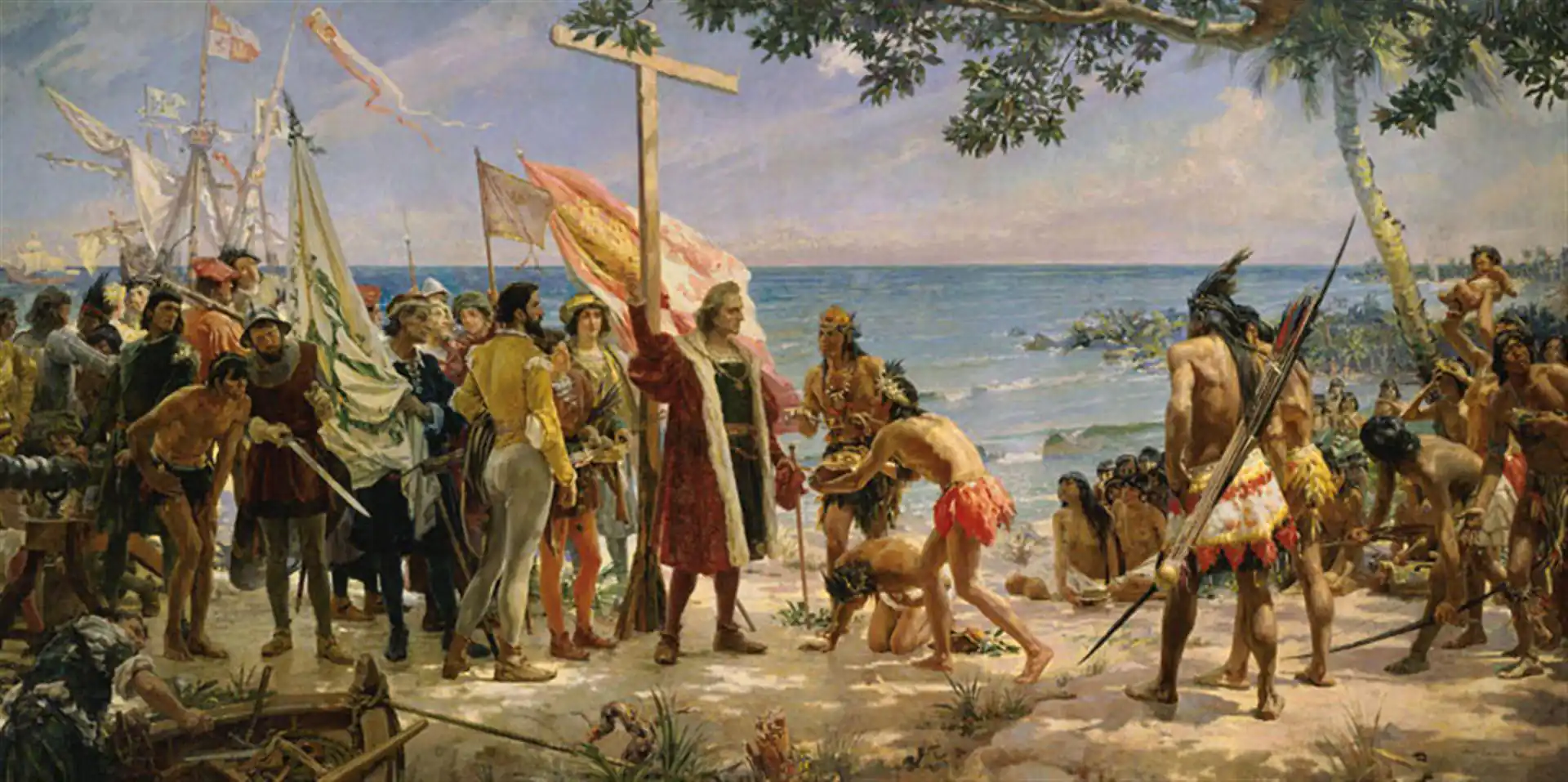
Spain questions the narrative of its colonization in Latin America.
Spain rebels against the dominant narrative
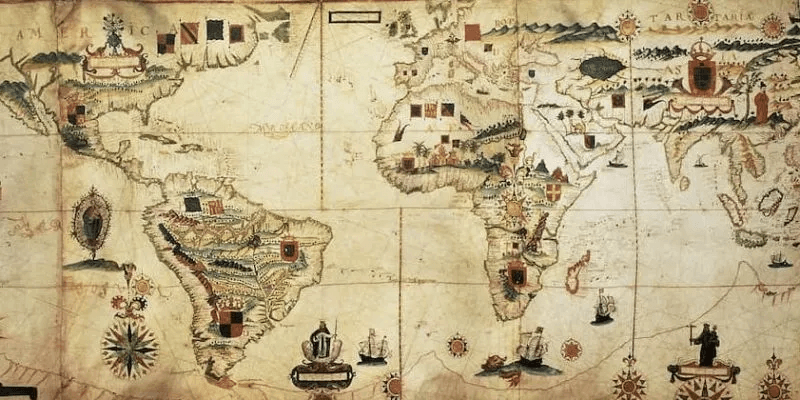
Spanish colonization in Latin America: between pride and historical criticism
Spain is facing a growing discussion about its role in the history of Latin America. During a recent visit by King Felipe VI to Puerto Rico, tensions arose when requests for apologies for the effects of colonization were rejected.
Why is colonization being debated?
In recent years, indigenous movements and social groups in Latin America have demanded official recognition for the damages caused during the conquest and the colonial period. Some consider this period to be one of cultural extermination and exploitation of natural resources.
However, the King of Spain defended the Hispanic heritage, highlighting that the Spanish presence was not only war but also the foundation of cities, universities, and legal systems. In San Juan, he expressed pride in the model of integration that allowed for the union between Europe and America.
The case of Puerto Rico
In light of the iconoclastic wave that has affected monuments in the United States and other countries, the King emphasized Spain's contribution to building new societies in America, including international law and human rights.

Divided opinions in Latin America
While in Puerto Rico this view has little impact, in Mexico and other countries the stance is more critical. In 2019, President Andrés Manuel López Obrador formally requested an apology from the Spanish government. However, Spain did not respond officially.
Complex history and multiple perspectives
Understanding colonization requires looking beyond a single narrative. It was a process of conquest, but also of cultural and religious exchange. Additionally, Europeans took advantage of internal conflicts among indigenous peoples to secure their dominance.
The "black legend" anti-Spanish narrative has influenced how this period is perceived, although other imperial powers acted similarly. The fall of the Aztec and Inca empires was not solely the work of the Spaniards, but the result of alliances with local tribes seeking to free themselves from their oppressors.
Conclusion
Spanish colonization remains a sensitive topic in Latin America. While some see it as the origin of great institutions and shared cultures, others emphasize the abuses of the past. This debate reflects the complexity of history and the need for balanced reflection.
Read more about the black legend here