

The first evidence indicates that the cavity is thousands of years old
A pre-Hispanic cave discovered with a drone
Exceptional archaeological finding in Gran Canaria
An important pre-Hispanic cave has recently been discovered in Gran Canaria, revealing new data about the ancient aboriginal cultures of the Canary Islands.
Pre-Hispanic funerary cave with remains of at least 72 people
A team of archaeologists located an underground cavity in the Guayadeque ravine, in the southeast of Gran Canaria. Inside, they found mummified remains of at least 72 individuals, including women, men, and children. This finding represents the largest archaeological discovery in the Canaries in the last hundred years.
Discovered thanks to a drone and a group of researchers
The cave, located seven meters underground, was initially found by the group "El Legado", specialized in archaeological research. They used drones to map the area from the air. Upon finding poorly preserved bones inside the cavity, they informed the relevant authorities.
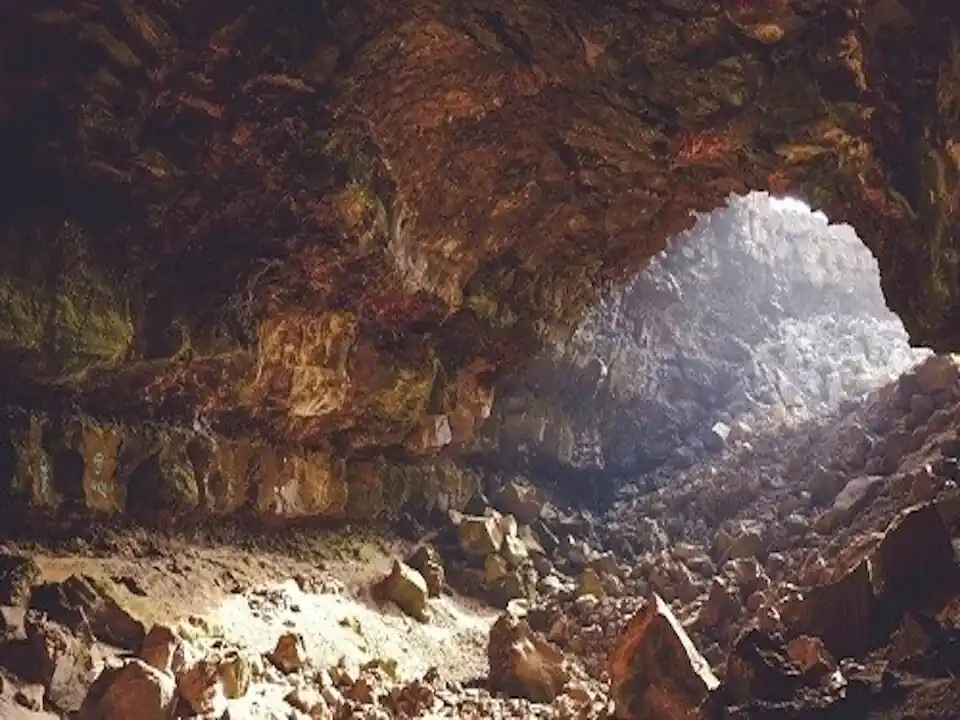
Estimated age of the pre-Hispanic site: over a thousand years
According to initial analyses, the cavity is around a thousand years old, likely dating between the 9th and 10th centuries. Although more studies are needed to confirm the exact dates, this finding is already being classified as "exceptional and fabulous."
Importance of the discovery in the study of aboriginal childhood
An unusual feature of the site is the presence of remains of infants and small children, including at least ten newborns. This provides new opportunities to investigate what childhood life was like in the aboriginal society of the Canaries, a topic that has been little explored until now.