
The Nazism That No One Knows
Canary Islands in World War II
The Strategic Role of the Canary Islands in World War II
A Conference Full of History and Solidarity Current
An evening rich in history that ABIC offered within the series of solidarity events organized by the Benéfica Association at the Cultural Center of Los Cristianos, before the coronavirus took over everything.
This time it was the turn of Prof. Felipe Botaya, who entertained the audience with a novel and truly interesting topic: the role the Canary Archipelago played during World War II. Botaya, a writer, historian, and blogger specialized in topics related to the two World Wars (felipebotaya.com), took the opportunity to present his latest work, Porta Stellae , to take stock of the strategic character of the Canary Islands and hint to the audience at some curiosities that only reading the book will satisfy.
Himmler and His Journey Through Spain: Mystery and Historical Contradictions
What is the connection between this strategic role and the journey that Reichsführer Heinrich Himmler undertook through Spain 80 years ago in October?
And why, in the available sources, although hard to find, is there no mention of Himmler's visit to the Montserrat Monastery on October 23, 1940, just when Hitler was meeting Franco in Hendaya?
Official historiography holds that Himmler was received by the monks with extreme coldness, if not ostentation; but the available images demonstrate the contrary. Himmler intended to actively involve the Archipelago in the conflict that had been raging in Europe for about a year.
Canary Islands: A Strategic Role and a Key Position in the Global Geopolitical Map
The proximity of the Canary Islands to the African continent has always made them interesting to many nations, from France, which would have gladly used them as a bridgehead to reach its colonies in North Africa, to England, which used them during the war against the Boers.
Spain has always maintained logistic bases on the islands, but the case of Germany is the most interesting and documented. Since the 19th century, Germany had used the Canary Islands as a base to expand into the African continent.
Their ports, especially the Port of La Luz in Gran Canaria and Santa Cruz in Tenerife, welcomed German warships and luxury transatlantic ships, and played an important role especially from 1939, maintaining the strategic role of the Canary Islands.
Villa Winter: An Enigmatic Enclave in Fuerteventura
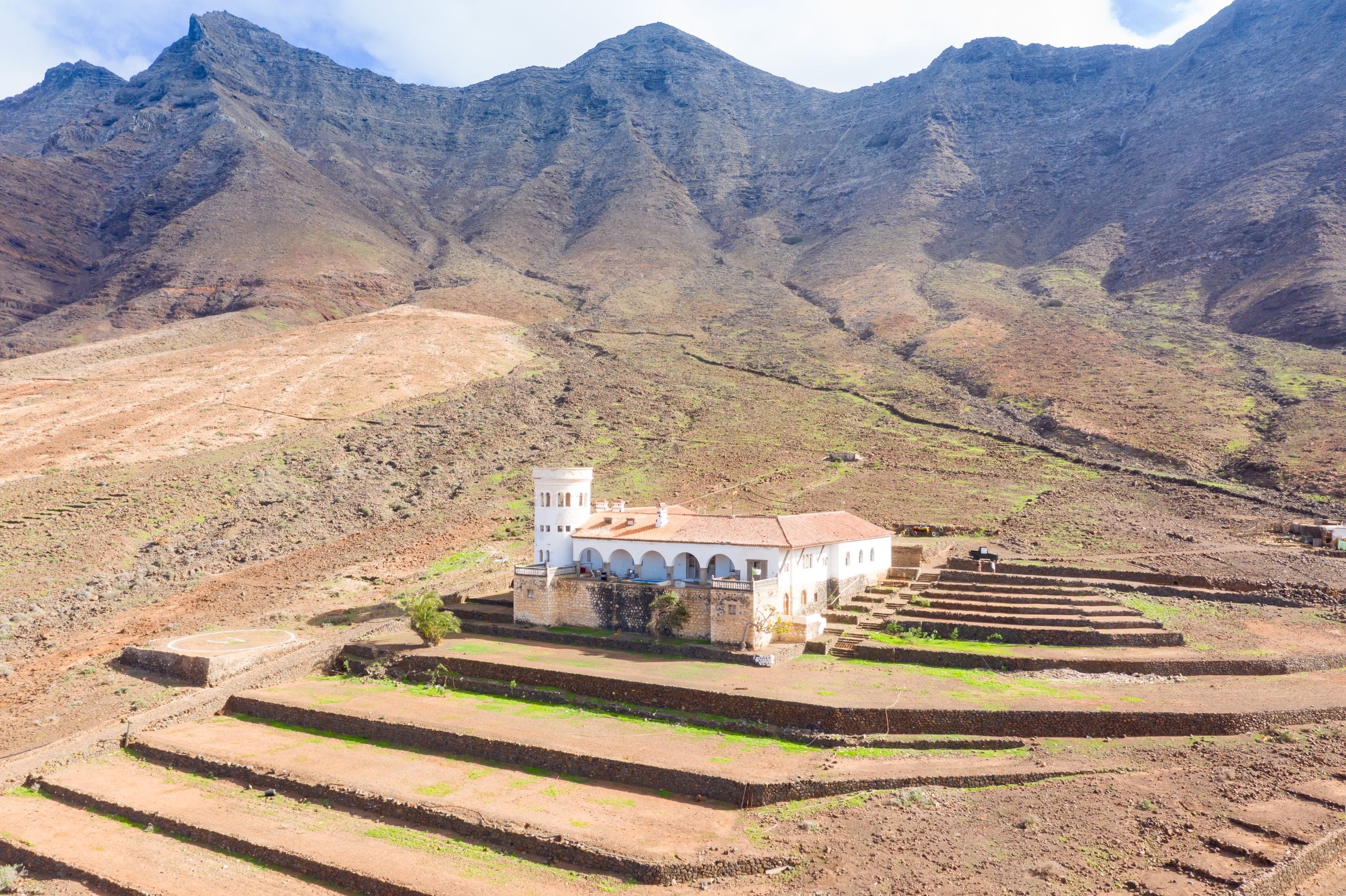
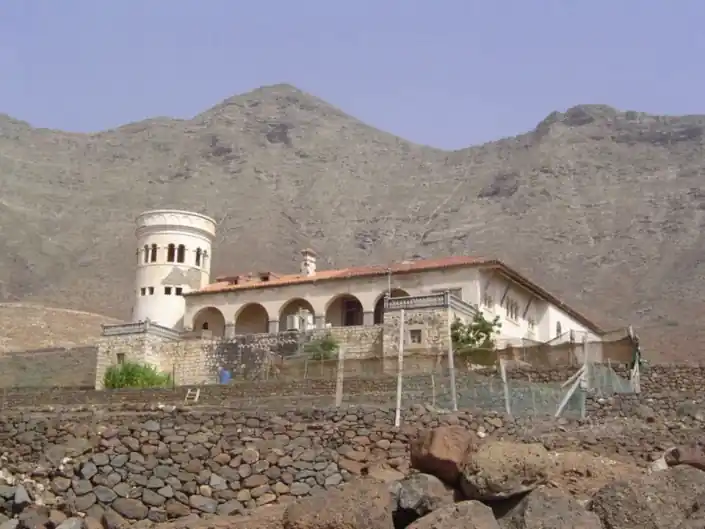
To understand the importance of the Canary Islands for the Reich, it is necessary to rethink the possible role of a mysterious villa, Villa Winter in Cofete (Fuerteventura), built starting in 1946 by German engineer Gustav Winter.
According to Botaya, the villa may have played a strategic role for the Germans as a weather station, to control the passage of ships and planes, and as logistical support: Greenland, Labrador, Argentina, Brazil, Antarctica, Spitzbergen are some of the bases that constituted the network of information and logistics that Germany could rely on to plan and organize its military actions.
In fact, Villa Winter It remains a mystery to this day, with its rails crossed by specially made Krupp wagons that traverse all the surrounding land.
Porta Stellae: a title full of historical symbolism
Porta Stellae , the sixth book by Botaya dedicated to World War II and its most mysterious, technological, and inexplicable aspects, owes its title to the definition given by the ancient manuscripts of the Monastery of Montserrat: Porta Stellae , precisely for its beauty, for its proximity to heaven, due to the presence of the Moreneta, the wooden statue of the Virgin dating back to the 12th century.
A moving encounter between history and personal memory.
At the end of the presentation, the audience resonated with Felipe Botaya's words with numerous interesting questions and interventions, among which stands out that of the nephew of Father Andrés Ripoll Noble, a Benedictine monk who received Himmler on October 23, 1940, at the monastery of Montserrat, as he was the only one in the entire congregation who spoke German.
A small surprise that helped make the conference a page from a lived life, instead of an aseptic lesson in recent history.
History and solidarity: an inseparable binomial
The conference and dinner that a large group of participants shared with the evening's organizers helped support ABIC, which, among its many initiatives, is dedicated to raising funds to ensure lunch, books, educational material, and everything needed for many students in need in schools in southern Tenerife.