
Lanzarote's Lunar Landscape: Mystery and Volcanoes
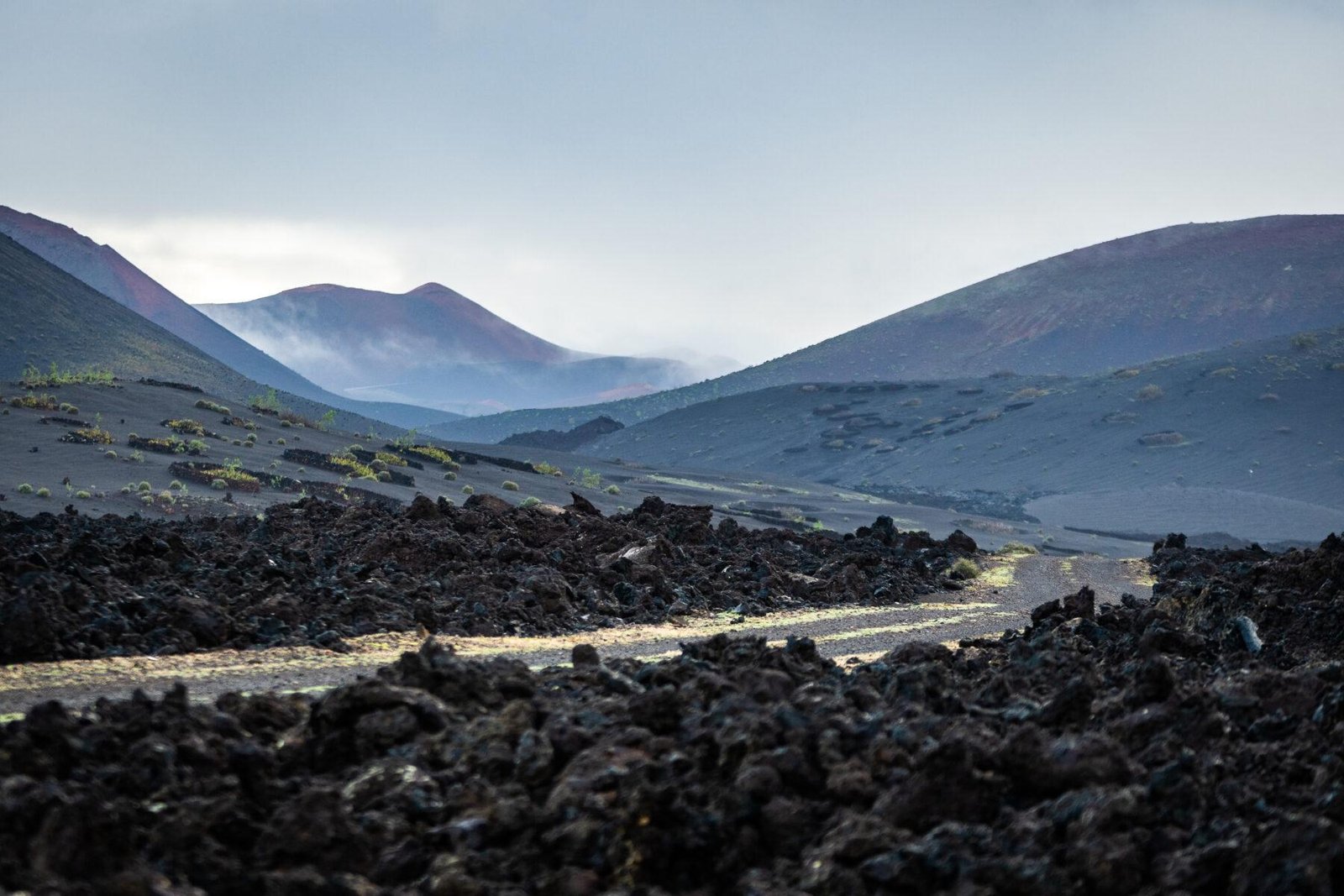
Lanzarote is the island where nature writes in stone, fire, and silence. Its lava fields and craters create such an extraordinary landscape that it seems from another planet.
Timanfaya: the Mountains of Fire
The Timanfaya National Park was born from the eruptions that shook the island between 1730 and 1736, one of the longest in the history of the Canary Islands. For almost six years, dozens of volcanoes emerged, burying towns and farmland in the southwest of Lanzarote. What was a tragedy for its inhabitants is today an impressive testimony to the power of the Earth. You can learn about that story in our article on the priest of Yaiza and the birth of Timanfaya.
Navigating the park is entering a landscape of ochre, reddish, and black tones. In the Islote de Hilario, the heat from below is so intense that the park staff performs spectacular demonstrations: they throw water into a hole and it shoots out like a geyser, or they ignite branches using only the earth's heat.
The Devil of Timanfaya
The symbol of the park is a small devil, designed by César Manrique, which recalls popular legends about the Mountains of Fire. In the Islote de Hilario, the restaurant El Diablo, also the work of Manrique, cooks meat and fish over a grill that directly harnesses the heat of the volcano.
Manrique and the landscape
The artist César Manrique understood better than anyone the magic of this environment. His idea of harmony between art and nature transformed the island into an open-air museum: works like the Jameos del Agua or the Mirador del Río incorporate the volcanic landscape as an essential element.
Culture, wine, and sea
The white villages contrast with the black lava; in La Geria, the vines grow in holes dug into the volcanic ash, protected by stone walls, and the sea offers beaches and pools that seem like oases. The island also boasts an intense cultural agenda, artisan markets, museums, and a cuisine based on local products.
Guide for the Curious Traveler
- How to get there: there are regular flights from major Spanish and European cities.
- What to visit: the Timanfaya National Park, El Golfo and the Charco de los Clicos, Los Hervideros, La Geria, and the César Manrique Foundation.
- When to go: any time is good; spring and fall have mild temperatures and fewer visitors.
For more inspiration, check our live webcams of Lanzarote or explore other experiences in our blog.
Experience the lunar landscape
Exploring Lanzarote is embracing the beauty of the inhospitable. Every corner holds the silent energy of volcanoes and the calm of the ocean. Come, listen to the wind among the rocks, and let the island surprise you: Lanzarote is not only visited, it is lived.