

What to See in Agaete, Gran Canaria
Puerto de Las Nieves and the Agaete Valley
Agaete Gran Canaria, where the valley meets the Atlantic
Agaete is one of the municipalities with the most character in the northwest of Gran Canaria. Its territory extends from the coastal cliffs to the pine forests of Tamadaba, passing through one of the most fertile valleys of Canary Islands: the Agaete Valley, where the only coffee in Europe. Its port, Puerto de las Nieves, connects Gran Canaria to Tenerife by sea and is one of the most photogenic spots on the island. You can check the weather and sea conditions at other points on the island in the live cameras of Gran Canaria.
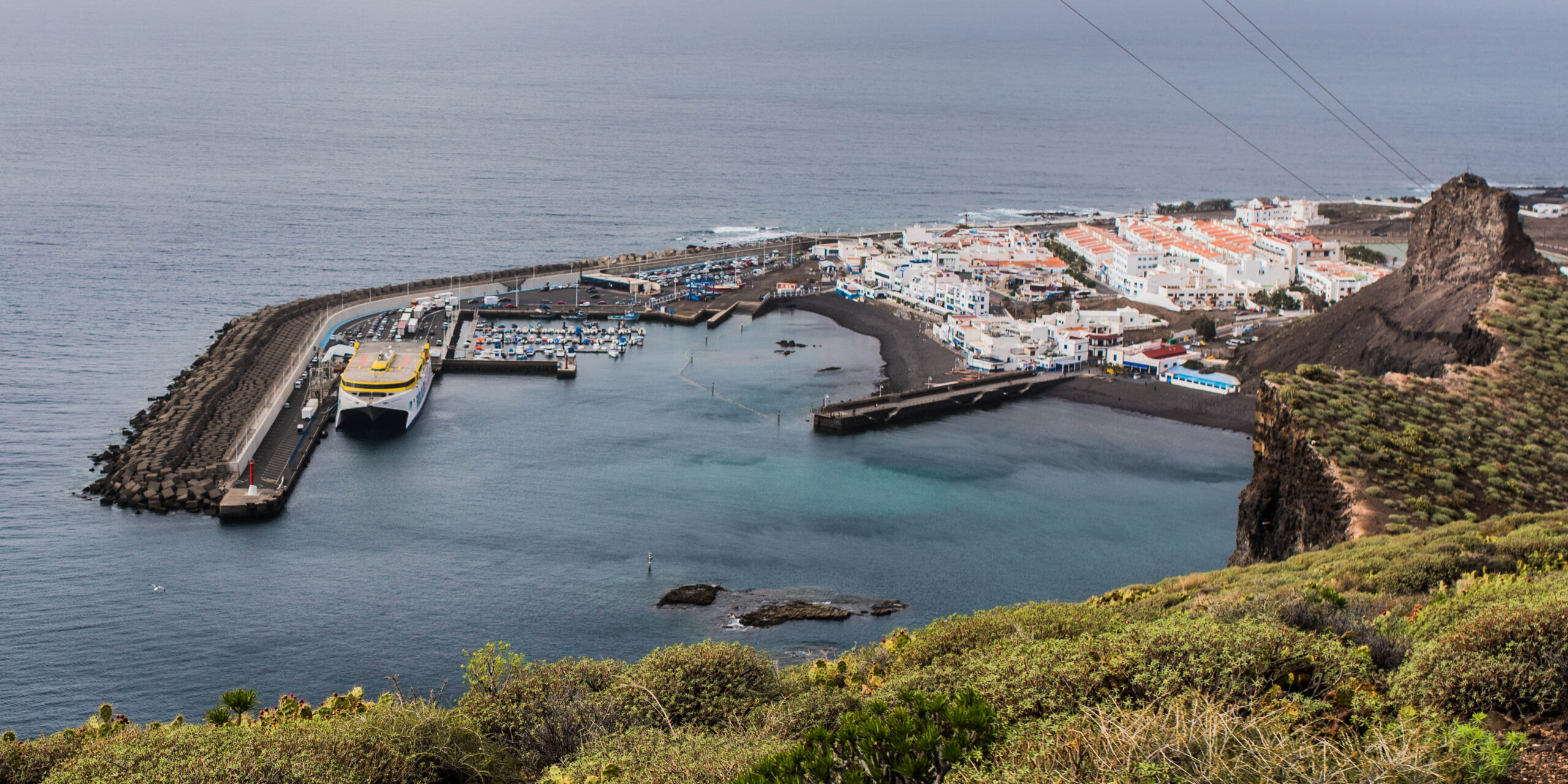
Puerto de las Nieves
The Puerto de las Nieves is the coastal heart of Agaete. Its promenade, known as the Paseo de los Poetas, runs along the coast between fresh fish restaurants, white houses, and views of the northwest cliffs. From here, the outline of Teide at sunset can be seen, one of the best natural viewpoints of Gran Canaria.
The port is also the terminal for the ferry to Tenerife operated by Fred Olsen, with several daily sailings and a journey of about 1 hour and 20 minutes to Santa Cruz de Tenerife. It's the fastest maritime connection between the two capital islands of the archipelago.
In the port area is the Hermitage of Las Nieves, which houses the Triptych of the Virgin, a work by Flemish painter Joos van Cleve from the 16th century, considered one of the most valuable artistic pieces in the Canary Islands.
Natural pools and beaches of Agaete
The the natural pools of Las Salinas, near Puerto de las Nieves, are one of the most popular attractions in the municipality. These are old salt flats converted into volcanic rock pools, sheltered from the waves and frequented by both locals and visitors. They are ideal for swimming at any time of the year.
Regarding beaches, the Playa de las Nieves is a pebble beach next to the port, with calm waters and views of the cliffs. Further north, the Playa de Guayedra is a virgin beach with difficult access, surrounded by mountains, with a completely wild landscape. It is one of the most isolated and spectacular beaches of Gran Canaria.
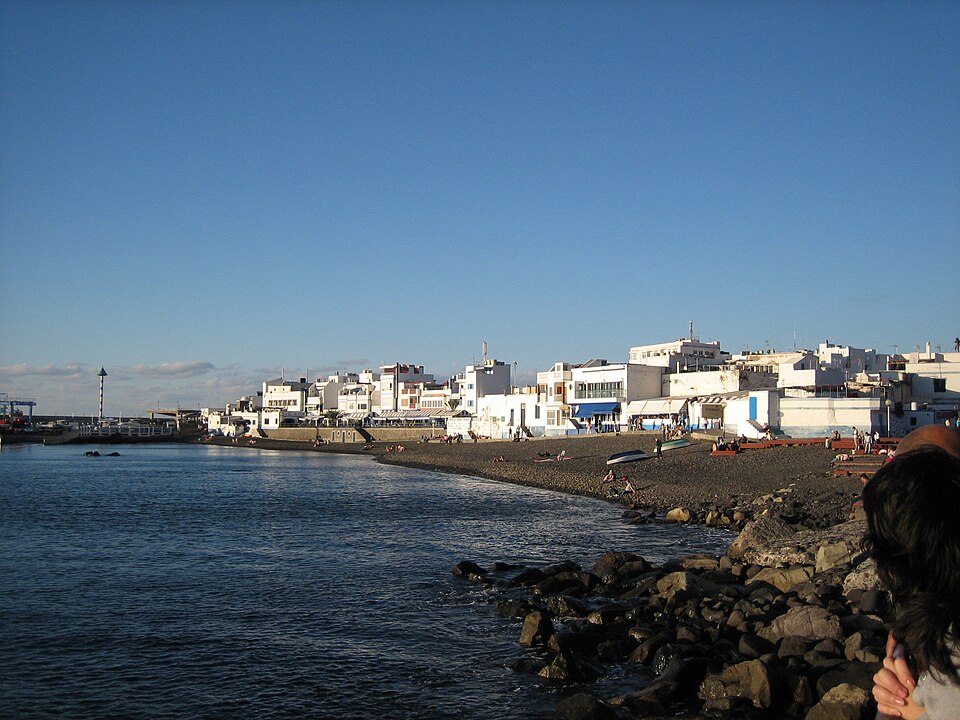
Agaete Valley: the only coffee in Europe
The Agaete Valley is one of the most unique agricultural areas in Canary Islands. Protected by the Tamadaba mountains, it has a subtropical microclimate that allows for the cultivation of coffee, mangos, papayas, avocados, and oranges. It’s the only place in Europe where coffee is produced commercially, and the farms in the valley offer guided tours with tastings.
In addition to coffee, the valley hosts the Flower Garden, a free-entry botanical garden featuring tropical species from around the world. It’s a short, peaceful walk, ideal for taking a break between coast and mountain.
Maipés: the aboriginal necropolis
The Maipés Archaeological Park is one of the most important sites in Gran Canaria. It is a necropolis with about 700 graves built with volcanic stone, some over 1,300 years old. The mounds, up to 8 meters in diameter, are located at the foot of the Tamadaba Natural Park, in a landscape of volcanic malpaís.
The site was declared Cultural Heritage of Interest in 1974 and has an interpretation center and marked trails. It’s a must-visit to understand the aboriginal history of the island.
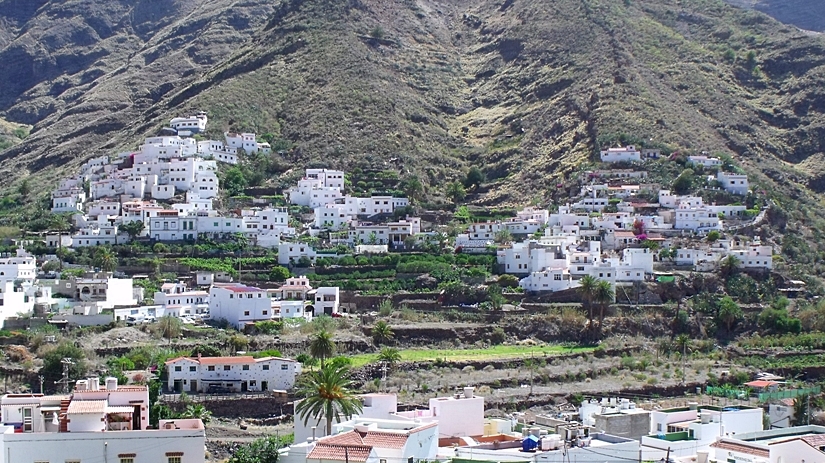
Hiking and Tamadaba
The Tamadaba Natural Park is one of the largest and best-preserved forested areas of Gran Canaria. Its Canary pine forests cover the upper part of the municipality and offer hiking routes with views of the sea and the northwest ravines. It contrasts completely with the coast, less than 30 minutes by car.
From the town of Agaete, you can also ascend through the Agaete Ravine, a route that crosses the valley among fruit trees and gardens before entering the pine forest. For the more demanding, the connection with the Inagua Natural Reserve allows for full-day hikes on the island’s summit.
Fiesta de la Rama
The Fiesta de la Rama is the most emblematic celebration of Agaete and one of the most famous in Canary Islands. It is celebrated every August 4th in honor of the Virgin of the Snows and was declared National Tourist Interest Festival in 1972.
The tradition has aboriginal roots: the ancient Canarians used to go up the mountain to cut branches and bring them down to the sea as an offering to ask for rain. Today, thousands of people stroll through the village streets dancing to the rhythm of drums and waving branches in the air. It’s a participative, intense celebration deeply rooted in the community's identity.
Cuisine in Agaete
The cuisine of Agaete revolves around the fresh fish and the products of the valley. In the restaurants of the Puerto de las Nieves they serve old fish grilled, fish and seafood broths from the area, with terraces offering direct views of the sea and cliffs.
You can't leave Agaete without trying the local coffee, cultivated in the farms of the valley and served in the village cafes. The mojo, the wrinkled potatoes and the tropical fruits of the municipality: mangos, papayas, and avocados that come directly from the nearby gardens are also worth trying.
How to get to Agaete
Agaete is in the northwest of Gran Canaria, about 33 kilometers from Las Palmas de Gran Canaria via the GC-2 highway (approximately 35 minutes by car). From the Gran Canaria airport, the journey is about 55 kilometers and takes around 45 minutes.
By public transport, the bus line 103 from Global connects Las Palmas with Agaete and Puerto de las Nieves with frequent departures. For those arriving by ferry from Tenerife, the port is at the same Puerto de las Nieves, with direct connection to the GC-2 highway. Also check the Gran Canaria webcam map to help you navigate the island.
FREQUENTLY ASKED QUESTIONS
What to see in Agaete in one day?
In one day you can explore the Puerto de las Nieves, swim in the the natural pools of Las Salinasvisit the Maipés Archaeological Park, stroll through the Flower Garden and enjoy fresh fish along the waterfront. If time allows, it's worth going up the Agaete Valley to see the coffee farms.
Where are the natural pools of Agaete?
The the natural pools of Las Salinas are next to the Puerto de las Nieves, just a few minutes' walk from the promenade. They are old salt flats converted into volcanic rock pools, sheltered from the waves and freely accessible.
Can I visit a coffee farm in Agaete?
Yes, in the Agaete Valley there are farms that offer guided tours with tastings of coffee and other local products like mango jams and tropical fruits. It’s the only place in Europe where coffee is cultivated commercially.
How to get from Agaete to Tenerife by ferry?
The ferry to Tenerife departs from the Puerto de las Nieves. The crossing to Santa Cruz de Tenerife takes approximately 1 hour and 20 minutes and there are several daily sailings. It's the fastest maritime connection between Gran Canaria and Tenerife.
When is the Fiesta de la Rama?
The Fiesta de la Rama is celebrated every August 4th in honor of the Virgin of the Snows. It was declared National Tourist Interest Festival in 1972. Thousands of people walk through the streets of Agaete dancing and waving branches to the rhythm of drums.