
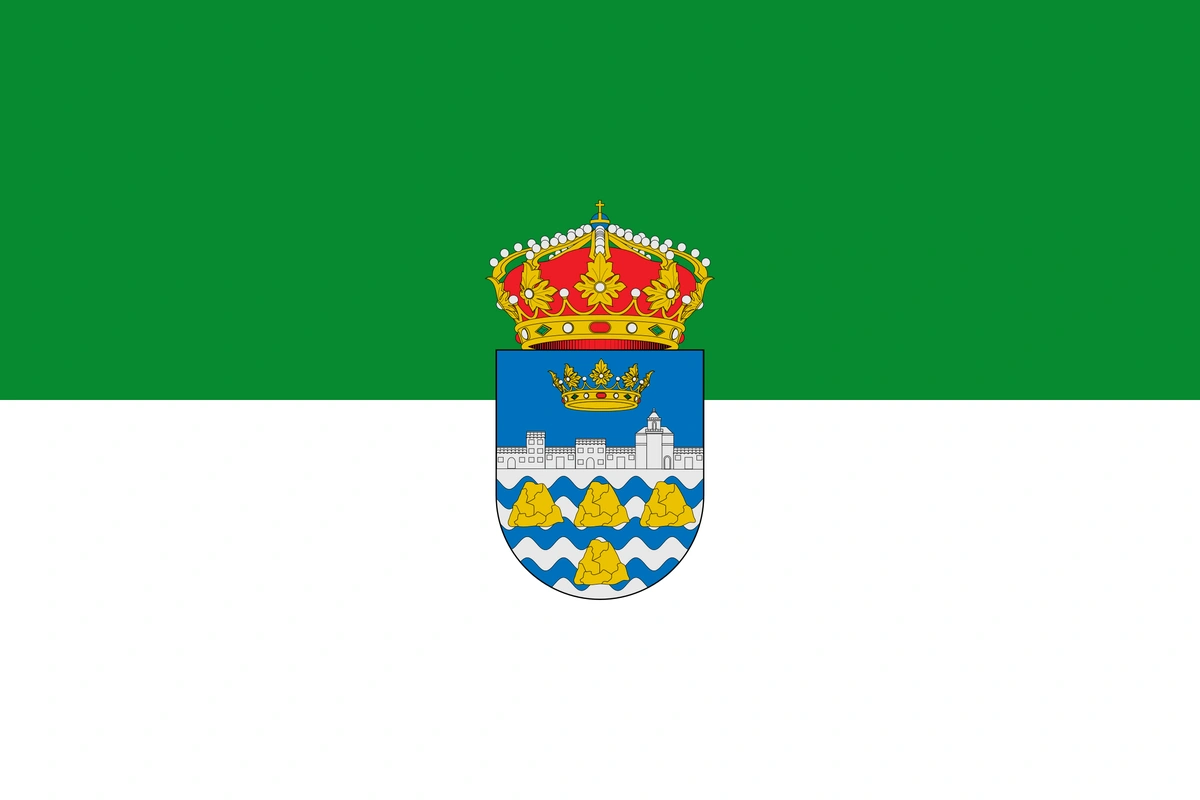
TEGUISE
Municipality of Lanzarote
Teguise Lanzarote, the former capital with La Graciosa, Famara, and César Manrique
Teguise is the largest municipality in Lanzarote and one of the richest in content of Canary Islands. Within its territory lies the former capital of the island, the resort of Costa Teguise, the island of La Graciosa, the cliffs of Famara, the César Manrique Foundation and the Cactus Garden. All this in a single municipality.
Additionally, it was the capital of Lanzarote for over four centuries (until 1847), which explains the richness of its historic center. The CanariasLife Webcams are shown live Las Cucharas Beach in Costa Teguise and Caleta del Sebo in La Graciosa, to check the sea state and the conditions before going.
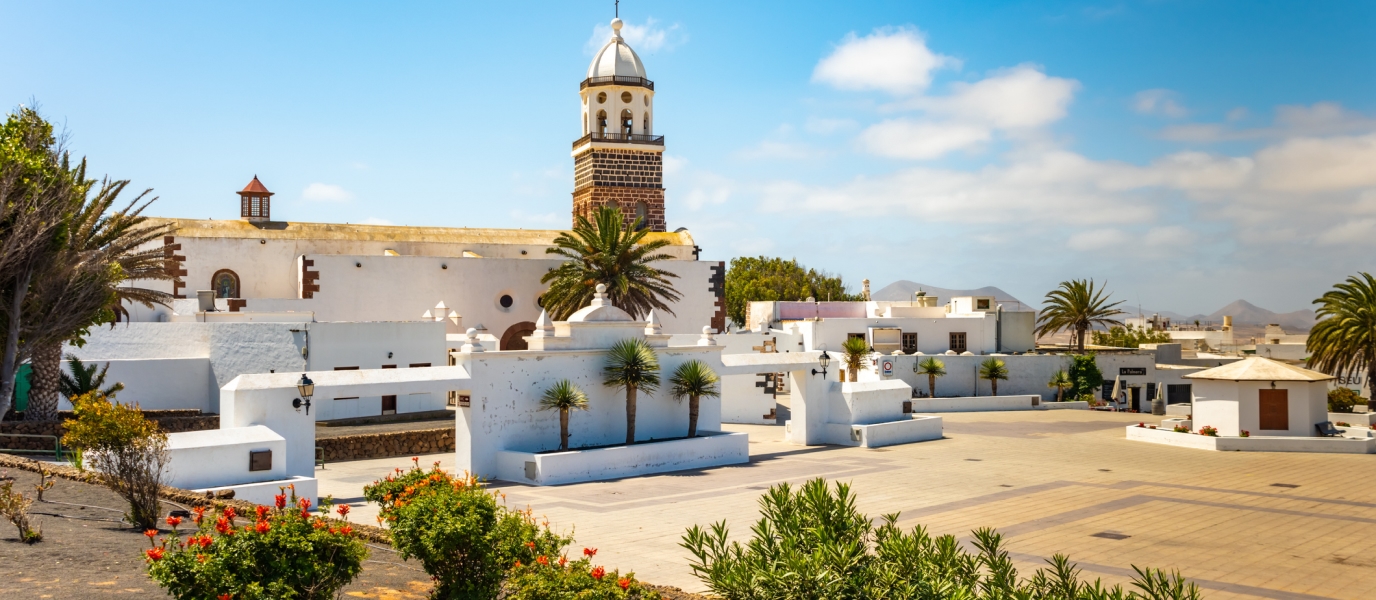
Historic center of Teguise
The Villa de Teguise was the capital of Lanzarote for over 400 years. Its historic center is one of the best-preserved in Canary Islands: white houses, inner patios, wooden balconies, and cobblestone streets full of history.
Among the most prominent buildings are the Church of Our Lady of Guadalupe, the Spínola Palace (18th century, now a museum) and the Convento de San Francisco, which serves as a cultural space with exhibitions.
However, the main attraction is the Teguise Market, which every Sunday fills the streets and squares of the town with stalls of crafts, cheeses, mojos, wines, sweets, and live music. It is the largest market in Lanzarote.
Santa Barbara Castle
Atop the Guanapay volcano, overlooking the town of Teguise, stands the Santa Barbara Castle (15th century). It houses the Piracy Museum, which tells the history of the corsair attacks that suffered Lanzarote for centuries. The views from the fortress encompass the entire island.
Costa Teguise
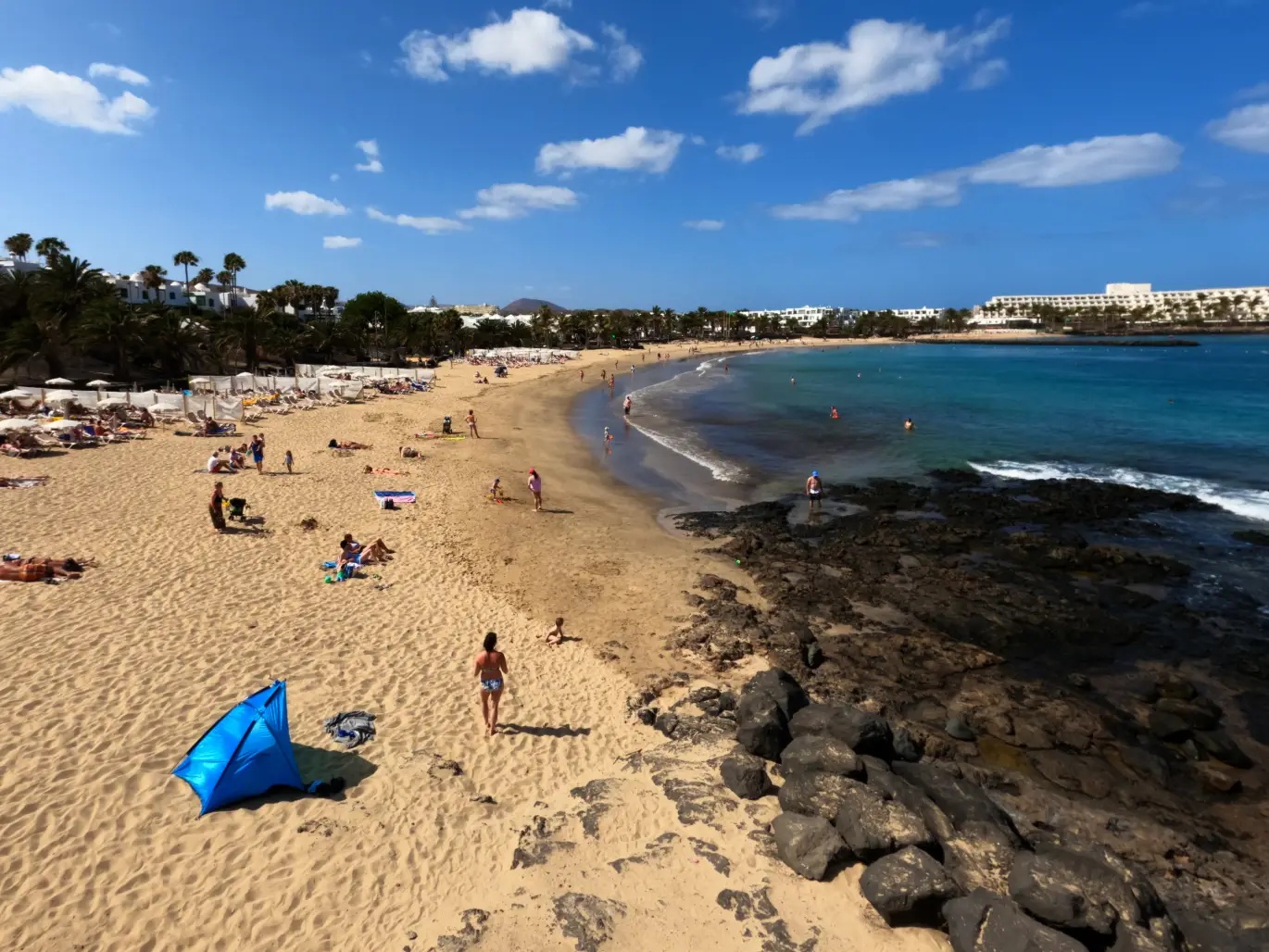
Costa Teguise is the second major tourist hub in Lanzarote (after Puerto del Carmen). The Las Cucharas Beach is the main one: golden sand, calm waters, and ideal conditions for windsurf. In fact, Las Cucharas is one of the best-known windsurfing spots on the island.
La Graciosa
The island of La Graciosa is administratively part of the municipality of Teguise. It is the smallest inhabited island of Canary Islands: unpaved, car-free, and with beaches like the Playa de las Conchas and the Playa Francesa among the most beautiful in the archipelago.
It is accessible by ferry from Órzola (about a 25-minute crossing) and can be explored on foot or by bicycle. The CanariasLife webcams in Caleta del Sebo show the town and the port live.
Famara: surf and cliffs
The Caleta de Famara is the mecca of surf in Lanzarote: an expansive beach of golden sand with consistent waves and a relaxed surfer town atmosphere. Behind it rise the Riscos de Famara, cliffs over 600 meters tall that offer views of the Chinijo Archipelago and La Graciosa.
In fact, the Riscos de Famara are one of the most spectacular natural viewpoints of Canary Islands. The trails hiking along the cliff edges are breathtaking.
César Manrique Foundation and Cactus Garden
Two of the most visited spaces in Lanzarote are in the municipality of Teguise:
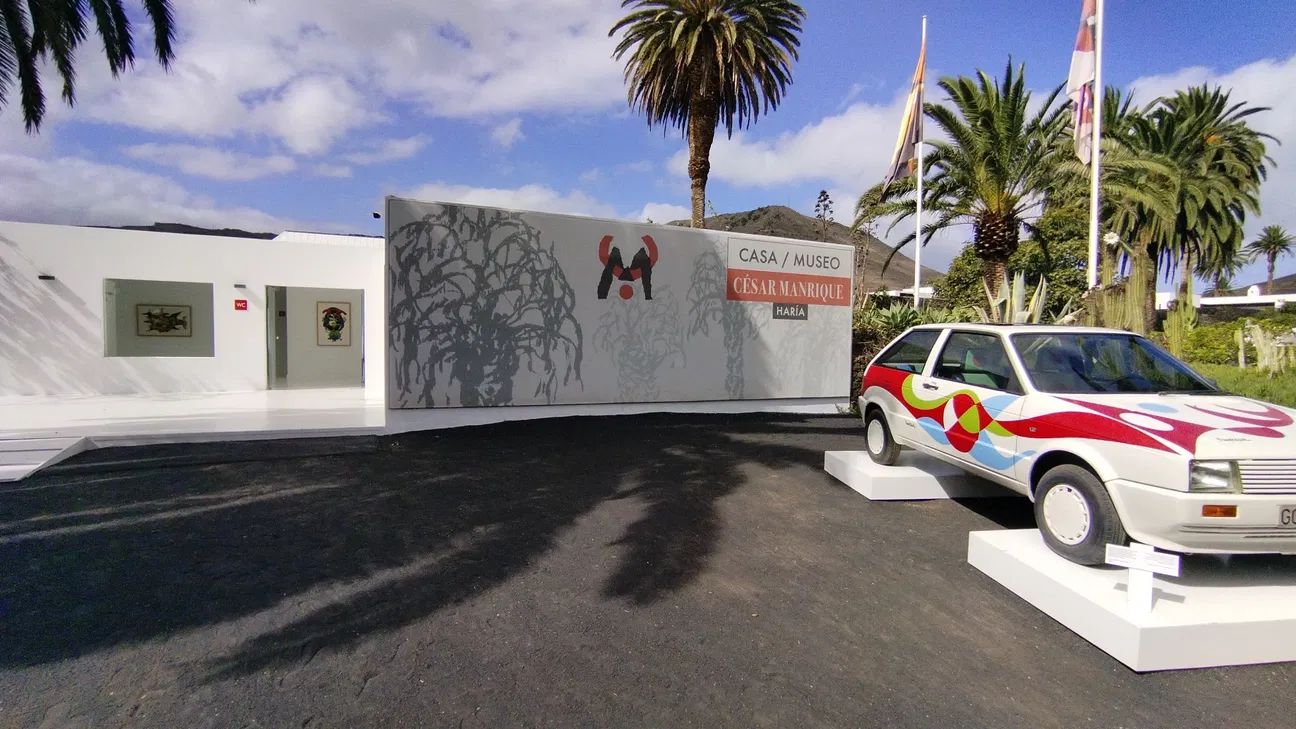
The César Manrique Foundation, in Tahíche, it is the former house-studio of the artist, built on five volcanic bubbles. It is the best way to understand the relationship between art and nature that defines Lanzarote.
The Cactus Garden, in Guatiza, was Manrique's last work: a garden with over 4,500 cactus specimens in an old pumice quarry. It is one of the most photogenic spaces on the island.
Gastronomy in Teguise
The Teguise Market is the best place to try local products: goat cheeses, mojos, wines and sweets. In Costa Teguise, the restaurants along the promenade offer fresh fish and international cuisine. And in Famara, the surfer terraces serve simple food with views of the Riscos.
The must-try dishes are wrinkled potatoes with mojo, Canarian sancocho y gofio. All accompanied by Malvasía wine from Lanzarote.
How to get to Teguise
Costa Teguise is 15 minutes from the Lanzarote airport. The town of Teguise is about 20 minutes away. There are intercity buses from Arrecife. To La Graciosa, you need to go to Órzola (municipality of Haría) and take the ferry.
Frequently asked questions about Teguise Lanzarote
When is the Teguise Market?
Each Sunday in the morning. It is the largest market in Lanzarote: crafts, cheeses, mojos, wines, sweets, and live music in the streets and squares of the historic center of Teguise.
Does La Graciosa belong to Teguise?
Yes, the island of La Graciosa is part of the municipality of Teguise. It is accessible by ferry from Órzola (25 minutes). The island can be explored on foot or by bicycle. Its beaches (Playa de las Conchas, Playa Francesa) are among the best in Canary Islands.
Can you surf in Famara?
Yes, the Caleta de Famara is the main surfing spot of surf from Lanzarote. It has consistent waves, schools for all levels, and a relaxed surfer atmosphere. The Riscos de Famara offer spectacular views of the Chinijo Archipelago.
What is the César Manrique Foundation?
It is the former house-studio of César Manrique in Tahíche (municipality of Teguise), built on five volcanic bubbles. It is one of the most visited spaces in Lanzarote and the best way to understand the relationship between art and nature on the island.
What is the Cactus Garden?
It is César Manrique's last work César Manrique, in Guatiza (Teguise). A garden with over 4,500 cacti in an old volcanic quarry. It is one of the most photogenic spaces in Lanzarote.
Are there webcams in Teguise?
Yes, in CanariasLife you can see the Teguise webcams live, with cameras at Las Cucharas Beach (Costa Teguise) and in Caleta del Sebo (La Graciosa).