
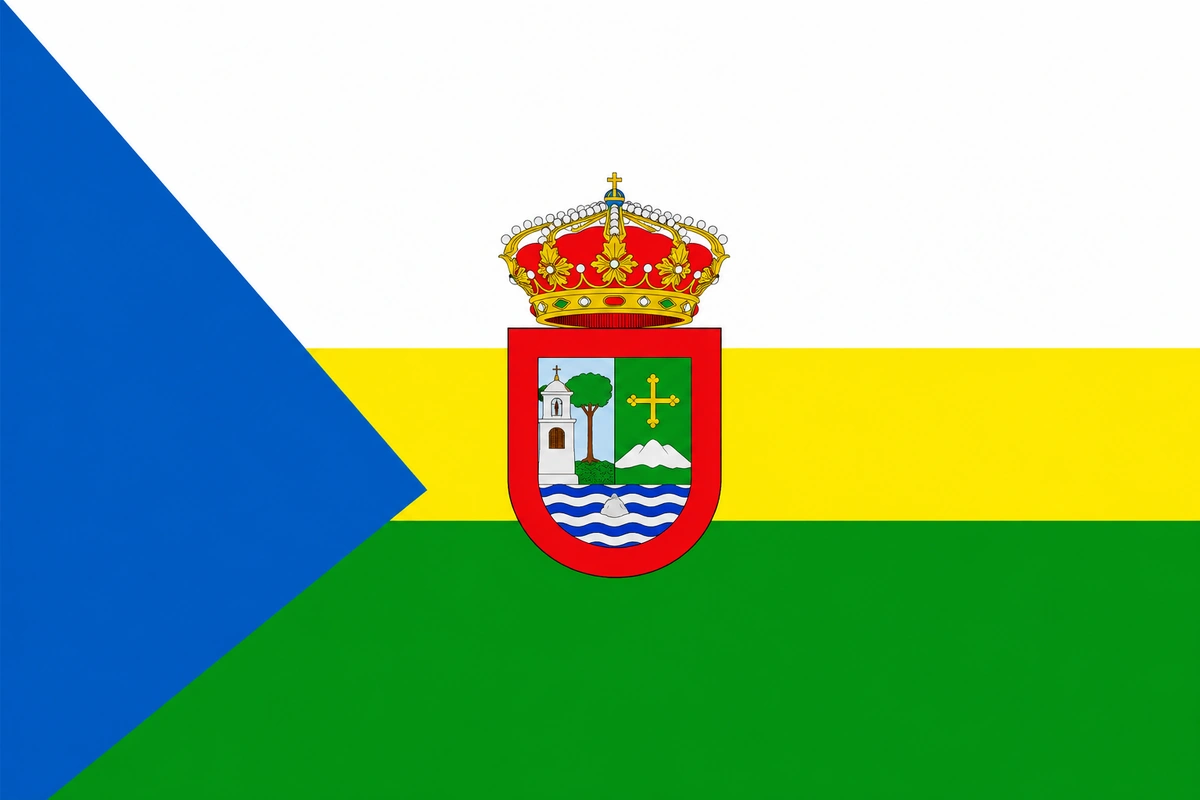
Haría
Municipality of Lanzarote
Haría Lanzarote, the green heart of the island
Haría is the greenest municipality in Lanzarote and one of the most unique in Canary Islands. Its territory occupies the northern part of the island and stretches from the Valley of the Thousand Palms, covered with Canary Island palm trees, to the cliffs of the Famara Cliff and the coast facing La Graciosa. Furthermore, the entire island is part of the Biosphere Reserve, which has preserved the landscape from constructions and has maintained the tranquil and authentic character of the municipality. You can consult the live cameras of Lanzarote to check the weather before visiting the area.
The valley and the historic center
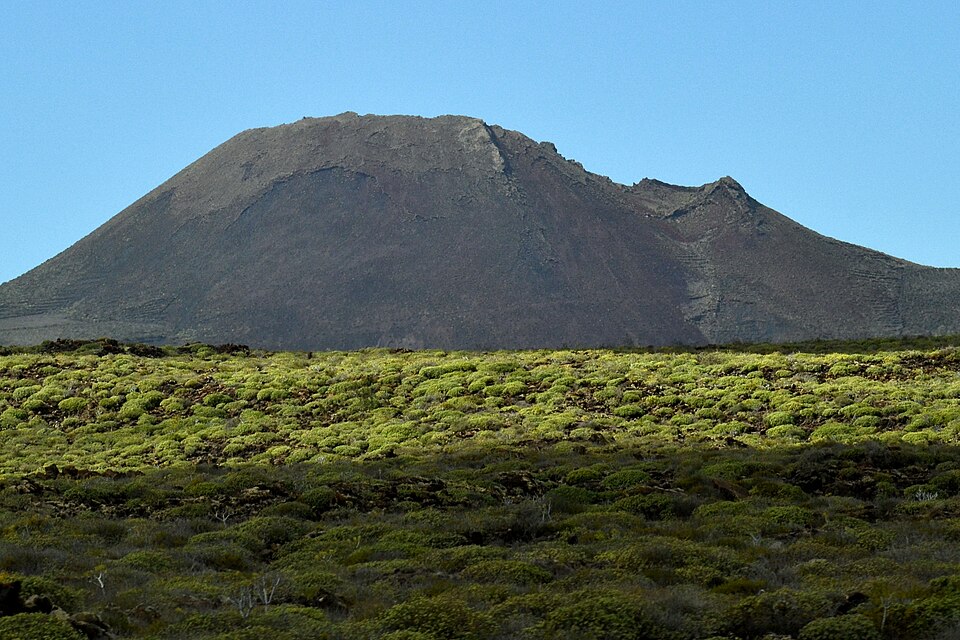
The Valley of the Thousand Palms is the most recognizable landscape of Haría. Its slopes preserve old orchards, water wells, and a unique density of Canary Island palm trees in Lanzarote. Meanwhile, the historic center of the town maintains the traditional style of the island: low whitewashed houses, green-painted doors and windows, and cobblestone streets lined with trees. It is also one of the best-preserved villages in the archipelago.
Among its monuments, the Church of the Immaculate Conception and the Plaza del Llano, the heart of local life. On Sunday mornings, the square hosts a artisan market where you can find ceramics, local products, and handcrafted items. It is, therefore, a must-stop for those visiting the northern part of the island.
Jameos del Agua
The Jameos del Agua are one of the most celebrated works of César Manrique and one of the most unique spaces in Canary Islands. Designed over an ancient volcanic tube that connects with the sea, they harmoniously integrate the rock, water, vegetation, and architecture. Inside, there is a stunning underwater lagoon inhabited by the blind crab of Lanzarote, a unique endemic species in the world. Additionally, the outdoor auditorium carved into the rock is one of the most spectacular cultural spaces in the archipelago.
Viewpoint of the River
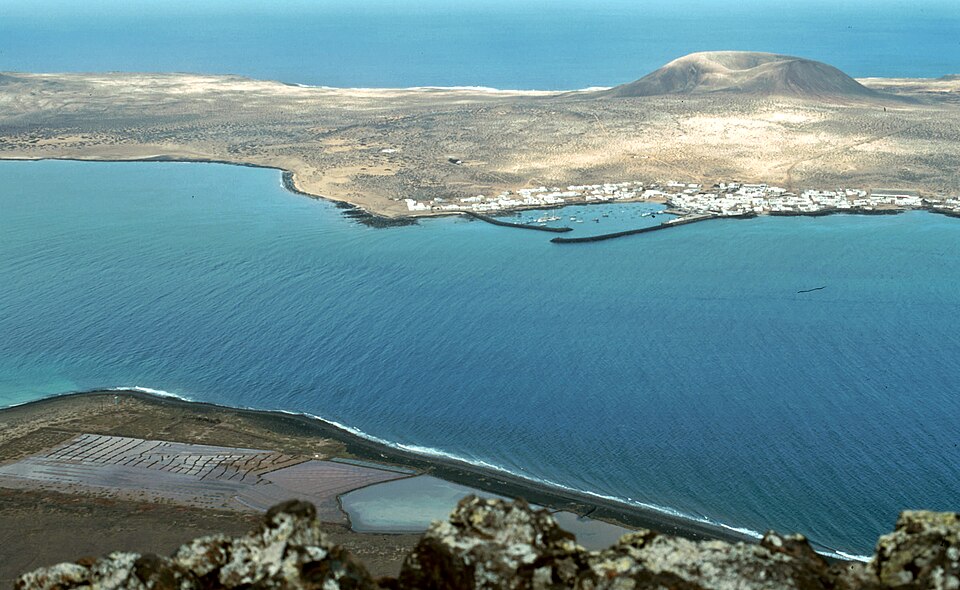
The Viewpoint of the River, also the work of César Manrique, is located atop the cliff of Famara Cliff, more than 400 meters above sea level. From its large windows integrated into the rock, one can enjoy one of the most impressive views of Canary Islands: the strait that separates Lanzarote from La Graciosa and, beyond, the rest of the Chinijo archipelago. It is undoubtedly one of the most photographed viewpoints in the Canary Islands.
Beaches and northern coast
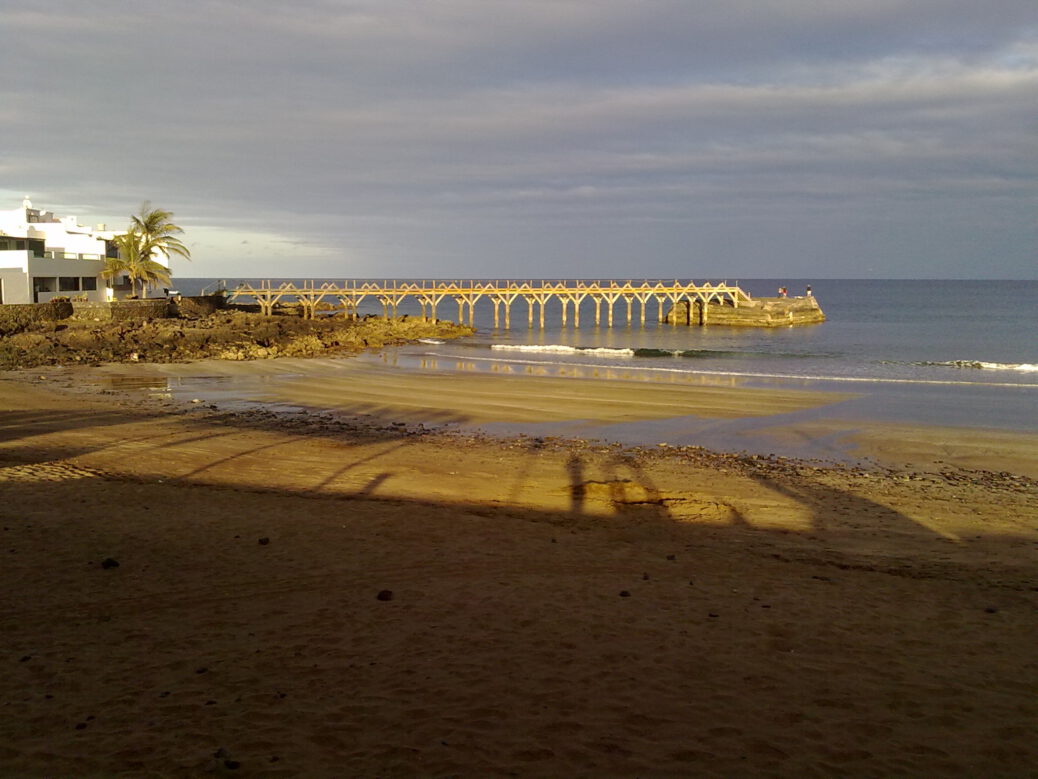
The coast of the municipality of Haría has a tranquil and uncrowded character. Arrieta Beach is the most popular, with dark sand and calm waters, surrounded by fresh fish restaurants. On the other hand, the natural pools of Punta Mujeres provide a unique bathing environment, protected from the waves by volcanic rock. Further north, the port of Órzola is the departure point for the ferry to La Graciosa, the only inhabited island of Canary Islands without paved roads.
Hiking and nature
The municipality offers hiking routes among volcanic landscapes and agricultural valleys. From the town of Haría , you can descend into the valley among palm trees and orchards, or climb towards the viewpoints overlooking the Famara Cliff. Furthermore, the rural roads of the north are ideal for cycling between peaceful towns like Guinate y Arrieta. The constant wind from the north also makes this area a popular destination for surfing and windsurfing enthusiasts.
Gastronomy in Haría
The cuisine of Haría combines products from the valley's orchards with fresh fish from the northern coast. In the town's restaurants, the watercress stew, the wrinkled potatoes with mojo and the semi-cured cheese from Lanzarote stands out. On the coast, the bars and restaurants in Arrieta y Órzola serve the catch of the day, grilled limpets, and fresh seafood. During high season, it is advisable to book in advance.
How to get to Haría
Haría is in the north of Lanzarote, about a 30-minute drive from the Lanzarote airport via the LZ-1. From Arrecife, the capital, the journey is similar. By public transport, the line 01 of the bus connects Arrecife with the town of Haría, although with limited schedules. To reach the northern coast, there are lines that connect with Arrieta y Órzola. Also, check the webcam map of Lanzarote to help you navigate the island.
Frequently asked questions about Haría Lanzarote
What is the Valley of the Thousand Palms?
It is the most characteristic landscape of Haría, a valley in the north of Lanzarote covered with Canary Island palm trees and traditional orchards. Its wetter microclimate makes it the greenest area of the island and one of the most unique landscapes in Canary Islands.
What are the Jameos del Agua?
They are a cultural and natural space designed by César Manrique over a volcanic tube that connects with the sea. They house an underwater lagoon with the blind crab of Lanzarote, along with gardens, an auditorium, and exhibition spaces integrated into the volcanic rock.
When is the Haría market?
The The artisan market of Haría takes place on Sundays in the morning in the Plaza del Llano. It is one of the most popular markets in Lanzarote, featuring ceramics, crafts, local products, and clothing.
How to go to La Graciosa from Haría?
The ferry to La Graciosa departs from the port of Órzola, at the northernmost end of the municipality of Haría. The crossing takes about 25 minutes. It is the only way to reach the island without paved roads in Canary Islands.
What beaches does the municipality of Haría have?
Stand out the Arrieta Beach, with dark sand and a calm atmosphere, and the natural pools of Punta Mujeres, protected by volcanic rock. Both maintain a local and uncrowded character, very different from the beaches in the south of the island.
Why is Haría so green compared to the rest of Lanzarote?
Due to its location in the north of the island, where the trade winds bring more moisture than in the south. This humidity promotes the growth of palm trees, orchards, and vegetation that do not exist in the rest of Lanzarote, creating a unique microclimate on the island.