
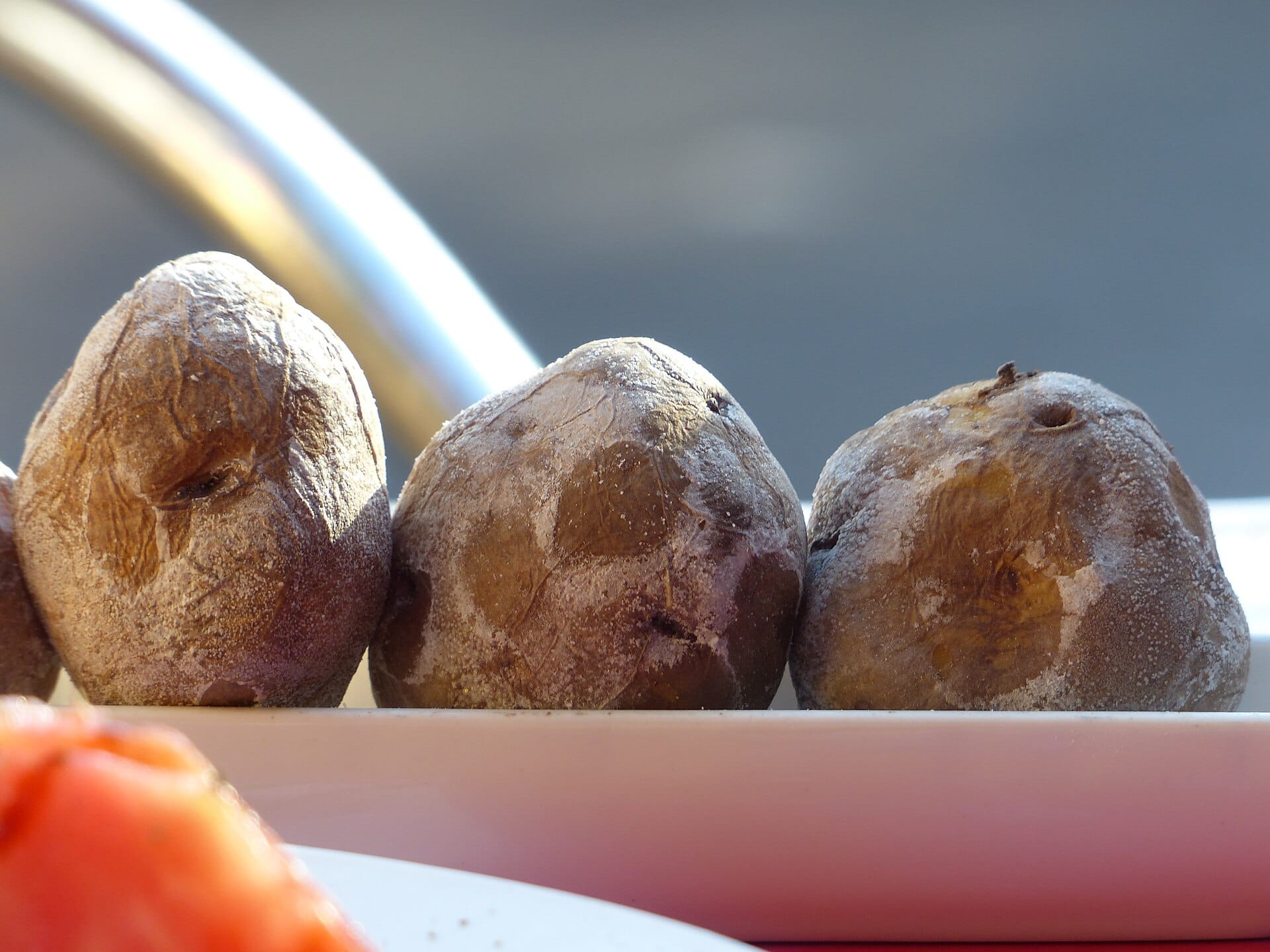
Why do wrinkled potatoes wrinkle? The science of the most Canarian dish
Wrinkled skin, a fine white crust, and a soft interior: wrinkled potatoes are the most recognizable dish from the Canary Islands. But why do they wrinkle? It all comes down to little water, lots of salt, and good drying at the end.
Lots of salt, little water
Wrinkled potatoes are not boiled like normal potatoes. They are left whole and unpeeled, with very little water, just enough to cover the bottom of the pot, and with a lot of salt: about 75 grams per kilogram of potatoes, much more than the water can dissolve. In the past, in coastal villages, they were cooked directly in seawater, which provided the salt and saved fresh water, a scarce resource on the islands.
Why the skin wrinkles
During cooking, the water evaporates. At the end, the remaining water is removed, and the potatoes are left for a few minutes in the pot, on the heat and without a lid, moving it from time to time. In that drying, the skin loses water and contracts, and wrinkles appear.
At the same time, the water on the surface evaporates, and the salt that was dissolved in it sticks to the skin in the form of small crystals: this is the white crust. Almost all the salt remains in the pot and on the skin; the interior of the potato absorbs only a small portion, which is why it does not taste as salty as it seems.
Any potato won't do
For them to wrinkle well, small potatoes with thin skin, all the same size, are needed. The best are the traditional Canarian varieties, such as black potatoes, bonita, colorada, or azucena. These ancient potatoes, brought from America centuries ago, have Protected Designation of Origin since 2012: Ancient Potatoes of the Canary Islands.
The most common mistakes
- Covering the potatoes with water, as if they were going to boil.
- Adding little salt.
- Peeling them: the skin is what is eaten and holds the salt.
- Skipping the final drying: without it, they won't wrinkle.
- Using large potatoes, which take longer and wrinkle poorly.
How to eat them
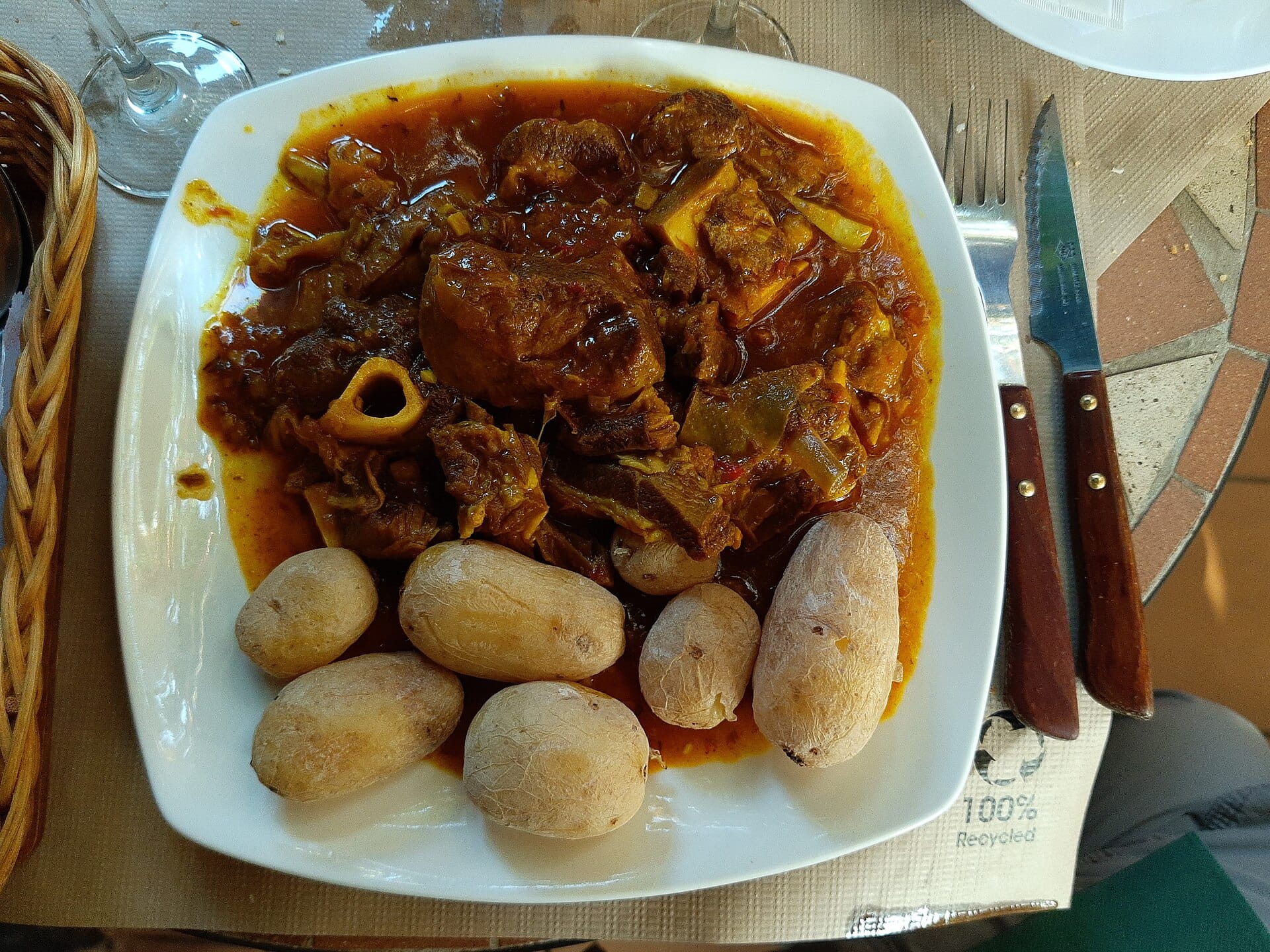
Always with skin and with mojo: the red one, with pepper and paprika, or the green one, with cilantro or parsley. They accompany fish, meat, grilled cheese, or are eaten alone as a tapa.

And if you want to know more about Canarian cuisine, read our articles about the typical dessert of La Palma and the queso palmero.