
El Hierro: Where the Ancient World Marked Time and Space
Before the Greenwich Observatory imposed its meridian as the universal reference in 1884, the island of El Hierro had already been the world’s “Prime Meridian” for centuries..
Located at the western end of the Canary archipelago, this small volcanic island not only marked the limit of the known world for medieval navigators but also served as a starting point for explorers, traders, and European cartographers..
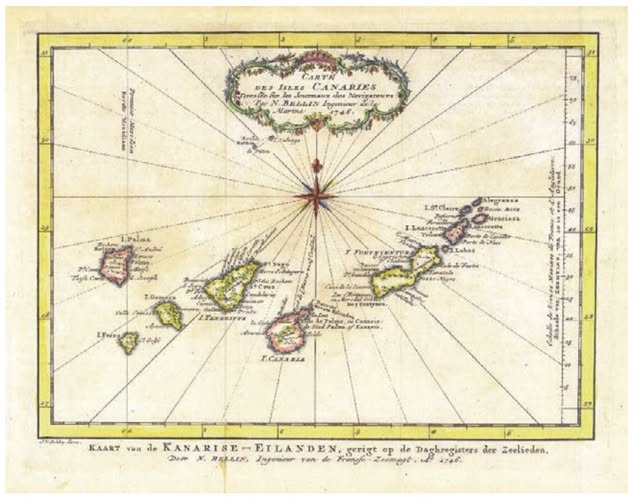
In the Middle Ages and the Renaissance, the most advanced maps—like those of Ptolemy revised by Arab and European geographers—placed the initial meridian right off the western coast of El Hierro.
This choice was not arbitrary: the island represented the last piece of land before the vast and uncertain Atlantic Ocean,which made it a powerful symbol of transition between the known and the unknown.
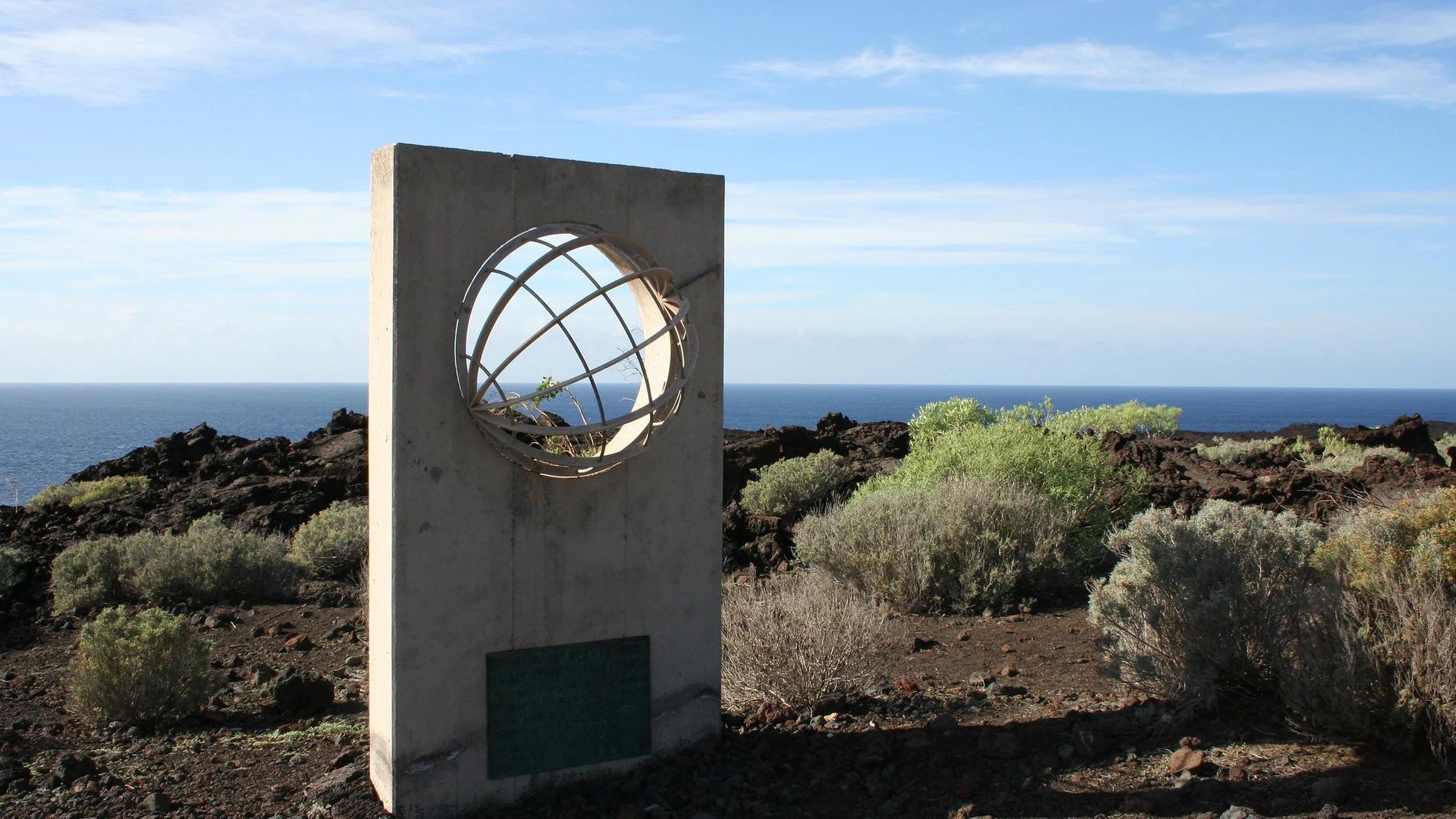
The Monument to the Prime Meridian in Frontera
Today, this geographical legacy is preserved in the municipality of Frontera,where a simple yet evocative monument marks the exact spot where the ancient Prime Meridian passed.
The sculpture, integrated into the rural landscape of the island, invites visitors to reflect on El Hierro's role in the history of exploration and science.
This corner is much more than a geographical landmark: it is a testament to medieval scientific thought,when scholars from Al-Andalus, Portugal, and Castile used the Canary Islands as a natural laboratory to observe stars, calculate distances, and plot sea routes.
From here, Christopher Columbus and other navigators adjusted their compasses before venturing into the Atlantic.
A Legacy that Goes Beyond Cartography
The title of “end of the world” was not just a metaphor. For the ancient Romans and Phoenicians, El Hierro was the last edge of the habitable world.Even 15th-century chroniclers described the island as “the last refuge of civilization before the abyss.” That mystical perception still lingers in the air that is breathed along its paths, its cliffs, and in the silence of its towns.
But El Hierro does not live solely on its past. Today it is Biosphere Reserve, a pioneer in renewable energies and a global reference in sustainability. Its commitment to nature and tradition creates a fascinating contrast: an island that looks to the future without forgetting that, for centuries, it was the point from which the entire world was measured..
Why Visiting El Hierro is a Unique Experience
In addition to the monument in Frontera, the island offers multiple ways to connect with its historical and natural identity:
- Meridian Route: a marked itinerary connecting key points related to the geographical history of the island.
- Mirador de la Peña: from where the endless ocean can be seen, which so impressed ancient navigators.
- Etnographic Museum of El Hierro: where the link between Guanche culture, astronomy, and navigation is explained.
- Trails in the Marine Reserve of La Restinga: to discover the underwater biodiversity that has remained intact for centuries.
El Hierro Today: Between History and Sustainability
While other islands compete for mass tourism, El Hierro bets on a model of slow, conscious, and cultural tourism. Here there are no skyscrapers or crowds, but cobblestone paths, terraced vineyards, and communities that preserve centuries of wisdom.
Visiting El Hierro is, in many ways, going back to the origin: to the origin of maps, to the origin of respect for nature, and to the origin of a worldview in which knowledge and humility went hand in hand.