
A journey to the past in the middle of the Atlantic
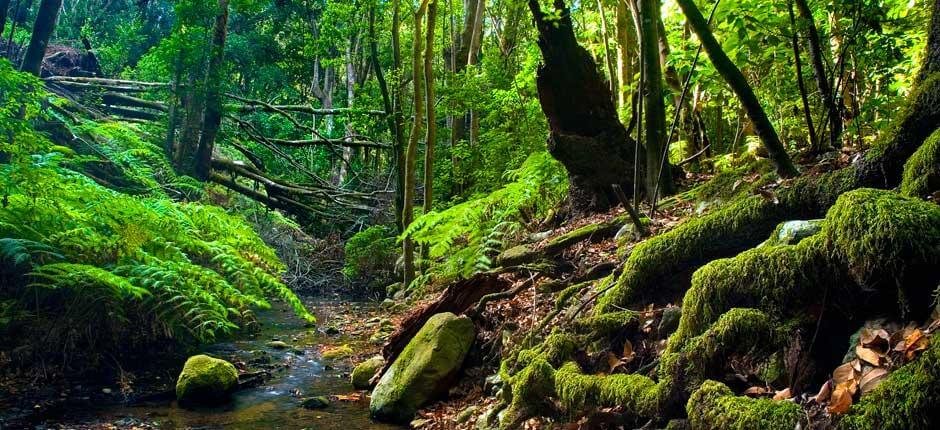
In the heart of La Gomera lies a unique natural treasure in the world: the laurisilva of Garajonay National Park. This humid forest, shrouded in fog for much of the year, is a true living fossil, similar to the vegetation that dominated Europe millions of years ago. Walking along its paths is to step into a prehistoric ecosystem, where giant ferns, laurels, and mosses envelop visitors in a magical atmosphere. Recognized as World Heritage by UNESCO since 1986, Garajonay offers locals and tourists an unforgettable experience of connection with nature and the living history of the Canary Islands.
What is laurisilva and why is it so special?
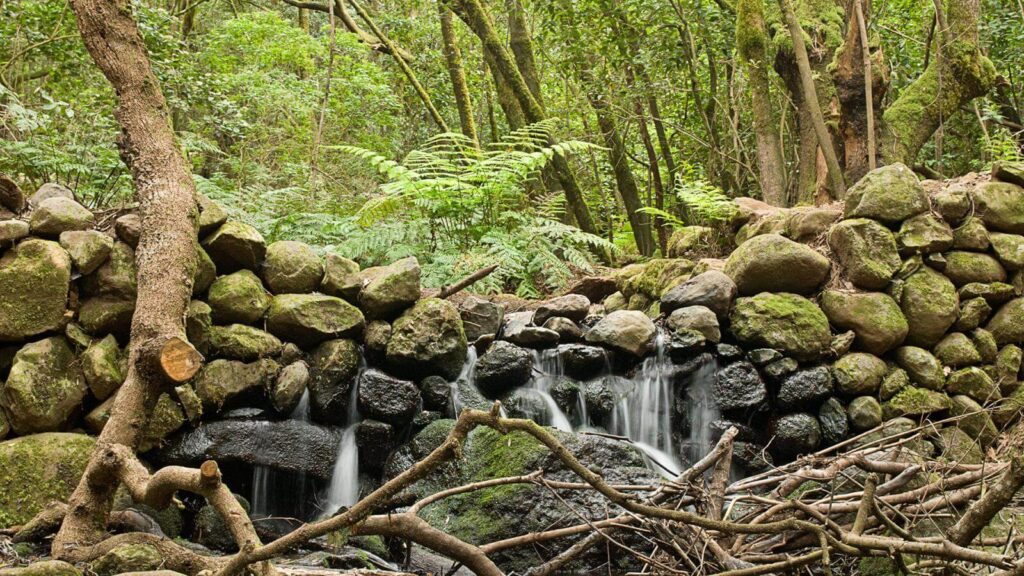
The laurisilva it is a type of humid subtropical forest that dates back to the Tertiary, a time when it covered much of southern Europe. With the climatic changes of the Pleistocene, this ecosystem disappeared from the continent but found refuge in the Macaronesian islands — among them, La Gomera — thanks to its temperate climate and the constant moisture brought by the trade winds.
The Garajonay National Park protects one of the best examples of laurisilva in the Canary Islands, making it an invaluable natural laboratory for scientists, ecologists, and biodiversity enthusiasts. Here, endemic species such as viñátigo, the til, the barbusano and the emblematic laurus novocanariensis, trees that can exceed 20 meters in height, and whose crowns form a dense canopy that filters sunlight, creating a cool and humid microclimate ideal for mosses, lichens, and ferns.
Unmissable routes through the heart of the forest
Garajonay National Park features a network of marked trails that allow exploration of its various ecosystems according to altitude:
- The Cedro and the Alto de Garajonay: routes that traverse the heart of the forest, between the stream of El Cedro, one of the few permanent watercourses in the Canary Islands, and the summit of the island.
- La Laguna Grande: a recreational area with short and family-friendly trails, in a clearing of the forest surrounded by mist for much of the year.
- The Chorros de Epina: a spring with seven water spouts, surrounded by legends, on the northern edge of the park.
💡 Local advice: Wear waterproof footwear and light warm clothing. Even in the middle of summer, the humidity and shade cause temperatures to drop considerably inside the forest.
The cultural and spiritual importance of Garajonay
Beyond its ecological value, Garajonay has a profound symbolic root in Gomera culture. Its name comes from the legend of Gara and Jonay, two young people from rival tribes whose tragic love gave rise to the place. For the ancient gomeros, the summit was a sacred place, as evidenced by the archaeological remains found at the Alto de Garajonay.
Today, the park remains a space of island identity, frequented by locals who walk its paths on weekends or participate in conservation activities. Additionally, many schools on the island organize educational outings to teach children about the fragility and richness of this unique ecosystem.
How to visit Garajonay National Park responsibly
Access to the park is free, but it is regulated to preserve its integrity. Some essential recommendations:
- Do not stray from marked trails.
- Avoid making fires or leaving waste.
- Respect the fauna, such as the rabiche and turqué pigeons, two endemic birds of the laurisilva.
- Check the weather conditions before heading up: on days with heavy fog, visibility can be minimal.
Garajonay and the future of sustainable tourism in the Canary Islands
Garajonay National Park is not only a refuge of biodiversity but also a model of responsible tourism. Local projects promote rural accommodations, certified guides, and guided tours that respect the natural cycles of the forest. This philosophy aligns with the mission of CanariasLife: show the islands as they are, without artifice. You can see La Gomera live with our webcams and read more about the legend that gives the park its name at the Alto de Garajonay.
When visiting the laurisilva, you not only enjoy an ancestral landscape; you participate in its conservation. Every mindful step helps keep this legacy alive for future generations.
🌿 Did you know that…?
Laurisilva acts as a “water sponge”: it captures moisture from the trade winds and releases it slowly, feeding springs and maintaining the water balance of the entire island.