
The History of the Guanches
The island of Tenerife is known for its rich history and culture, especially regarding the guanches. These ancient inhabitants of the island have been the subject of study and fascination for centuries. One of the most interesting topics is the literature that has been written about them.
Origins of Guanche Literature
Canarian literature has been influenced by the history and culture of the guanches. One of the most notable examples is the epic poem that has been written about them. Among the Canarian authors who have addressed this topic, Antonio de Viana is one of the most prominent.
The Epic Poem
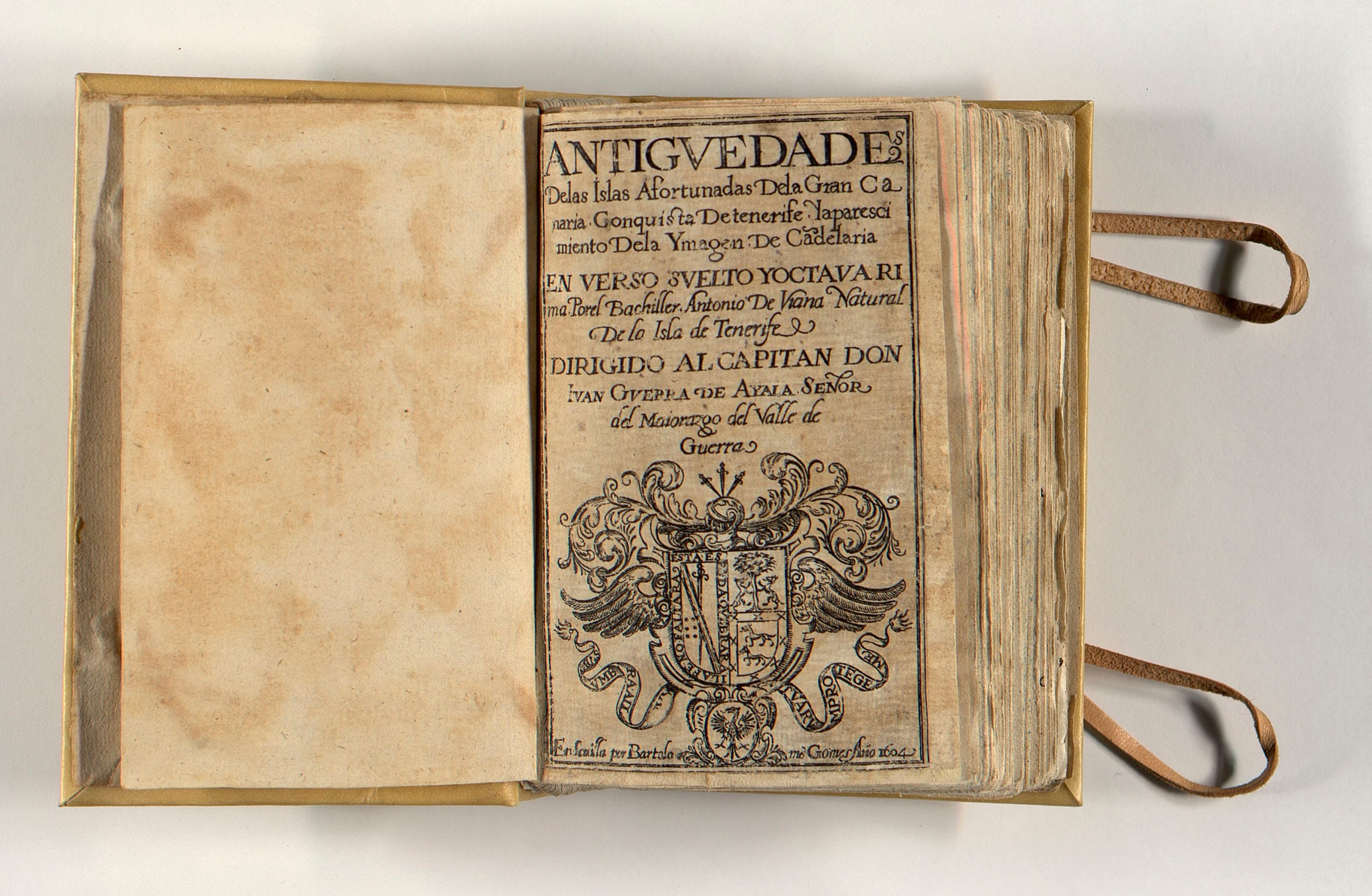
The epic poem is titled Antiquities of the Fortunate Islands of Gran Canaria, but on the island of Tenerife, it is better known as the poem of Antonio de Viana. This poem is a masterpiece of Canarian literature and is considered one of the most important works of the island. Below are some of the themes addressed in this poem:
- The history of the guanches
- The conquest of the island
- The culture and traditions of the guanches
In this poem, Antonio de Viana describes the life and culture of the guanches on the island of Tenerife, which allows us to better understand these ancient inhabitants of the island.
The island of Tenerife is a very popular tourist destination, known for its natural landscapes and rich history. Guanche culture is one of the most interesting aspects of the island, and the literature that has been written about them is a way to better understand their history and traditions. If you are interested in learning more about the history and culture of the guanches on the island of Tenerife, I recommend that you seek more information on this topic.
Antonio de Viana, doctor and poet
Antonio de Viana was born in La Laguna in 1578. Besides being a poet, he was a doctor: he studied Medicine in Seville, worked in hospitals in Seville and Tenerife, and in his later years, he was the bishop's physician in Las Palmas de Gran Canaria.
He published his poem in 1604 when he was just over twenty-five years old. The full title is long and summarizes its content: Antiquities of the Fortunate Islands of Gran Canaria, conquest of Tenerife, and the appearance of the image of Candelaria.
Dácil, the Guanche princess
The most well-known story of the poem is about Dácil, daughter of the mencey of Taoro, and her love for a Castilian captain named Castillo, who was a prisoner of the Guanches during the conquest. Thanks to Viana, Dácil became a very popular figure, and even today her name is common in the Canary Islands.
Historians read the poem with caution: Viana mixed real events with invented episodes and Guanche names of his own creation, some of which later appeared in historical works, such as those by José de Viera y Clavijo. Nevertheless, it remains a fundamental work of Canarian literature.