
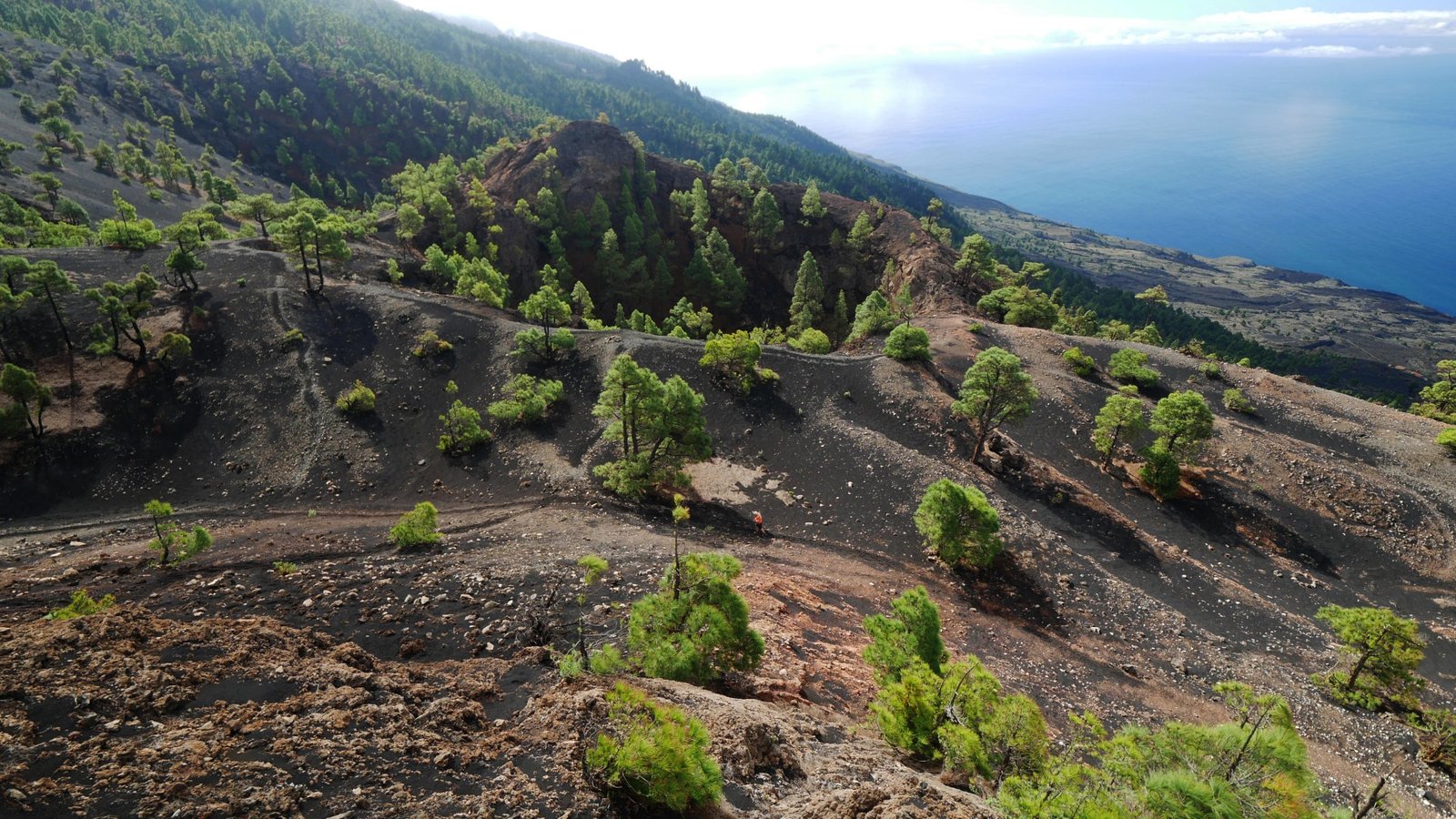
Tajuya: the ancestral soul of La Palma
In the west of La Palma, between the municipalities of Los Llanos de Aridane and El Paso, lies Tajuya, a rural settlement with a history much older than it appears. Before the Castilian conquest, this area was the heart of Tihuya, one of the cantons or territories in which the island of the benahoaritas, its first inhabitants.
The canton of Tihuya
The benahoaritas organized La Palma into a dozen cantons, each with its own chief. The one in Tihuya, whose name is preserved in the current Tajuya, extended over the lands of the western part of the island. According to chronicles, in 1447 its inhabitants, led by Echedey, repelled a Castilian landing led by Guillén Peraza, who died in the battle.
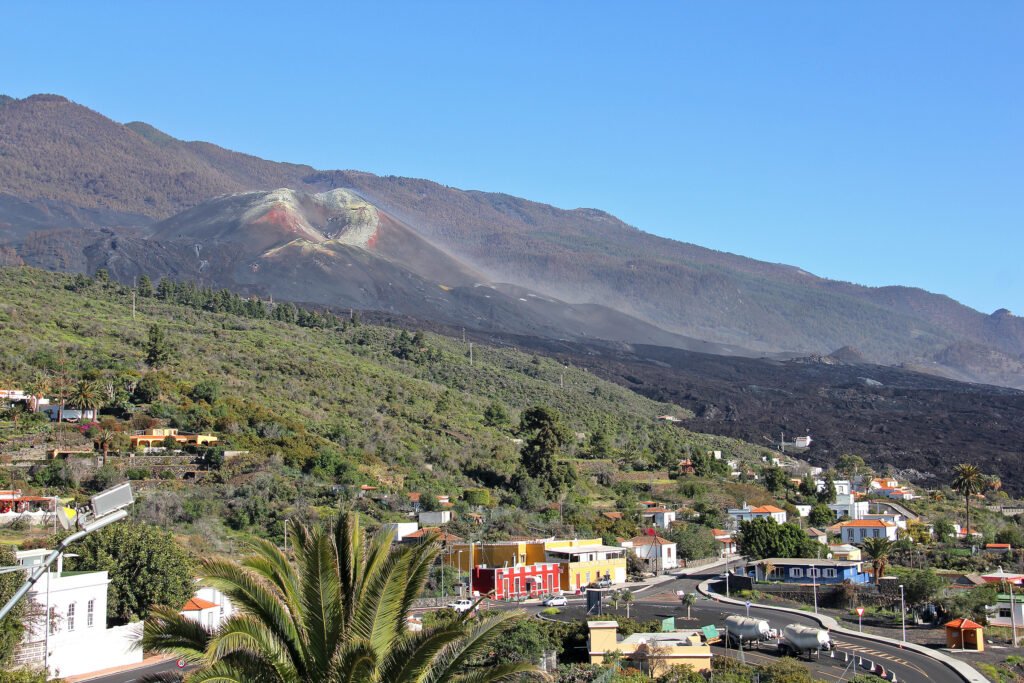
In the midlands and high areas of Tihuya, there were numerous settlements of huts. Many of those remains were buried by the lava flows from the eruption of the Tajogaite volcano in 2021, which directly affected this part of the island.
The benahoarita footprint that can still be visited
Although part of the heritage of the area was lost under the lava, you can still closely learn about the world of the ancient palmers:
- Lomo de La Fajana (El Paso): a benahoarita sanctuary with rock engravings, including sun-shaped motifs.
- El Verde (El Paso): just a few minutes' walk from La Fajana, with several caves and the largest engraved spiral found in La Palma.
- Benahoarita Archaeological Museum (Los Llanos de Aridane): the best introduction to the life, beliefs, and conquest of the benahoaritas.
Local tradition also speaks of a Cueva del Rey, in the area of Tamanca, which would have been the dwelling of the chief of Tihuya.
Tips for your visit
- Respect the sites: they are protected areas. Do not touch the engravings or walk on them.
- Get informed before visiting: some accesses have changed after the eruption of 2021. Check at the Benahoarita Archaeological Museum or at the tourist office.
- Combine your visit with the Taburiente Caldera National Park, which was also a sacred territory for the benahoaritas.
Beyond the stone
Tajuya is a good example of how in La Palma the past and present coexist in the same landscape: a benahoarita territory, transformed by the volcanoes and still full of memory.
You can watch the landscape of the western part of the island live with our Valle de Aridane webcam, or the coast of Puerto Naos, where according to some authors the landing of 1447 could have taken place.