

Dream retirement: why the Canary Islands are the ideal destination to enjoy your pension
More and more people are deciding to move to the Canary Islands for retirement in search of a slower pace of life, a mild climate all year round and a welcoming community. The islands offer a unique combination of nature, culture and comfort that turns retiring in the Canary Islands into a full experience, far from urban stress and close to the Atlantic Ocean.
Perfect climate: sun 300 days a year
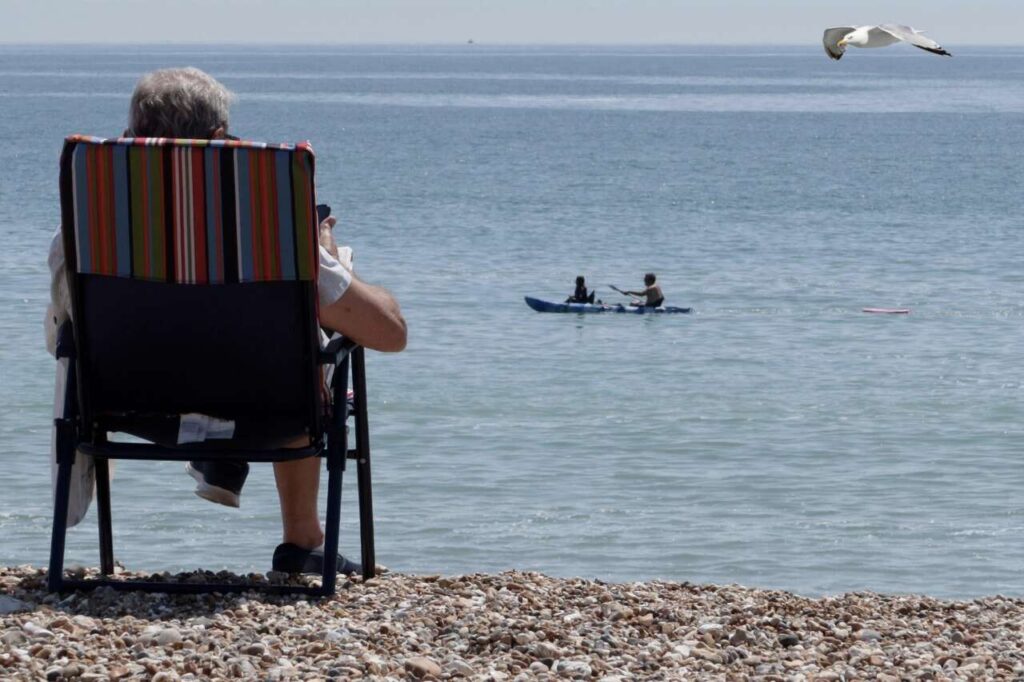
One of the biggest draws for anyone planning their retirement in the Canary Islands is the subtropical climate. With average temperatures between 19 °C in winter and 28 °C in summer, the islands remove the need for heating or intense air conditioning. This climate balance not only cuts household expenses, but also supports cardiovascular and respiratory health, especially at older ages.
Affordable (and realistic) cost of living
Although some tourist areas such as Costa Adeje or Playa del Inglés have high prices, there are more affordable municipalities ideal for retirees:
- La Laguna (Tenerife): historic, a university town and with quality public services.
- Telde (Gran Canaria): close to the capital but with lower rents.
- Valle Gran Rey (La Gomera): quiet, natural and with a very welcoming local community.
A monthly budget of €1,200–1,800 allows for a comfortable life, including housing, food, transport and leisure.
Legal procedures: residency and healthcare
EU citizens can register as residents without a visa. You need to:
- Obtain the NIE (Foreigner Identity Number).
- Register your address at the relevant town hall .
- Apply for the European health insurance card or, if you receive a pension from another EU country, the S1 form to access the Spanish public health system.
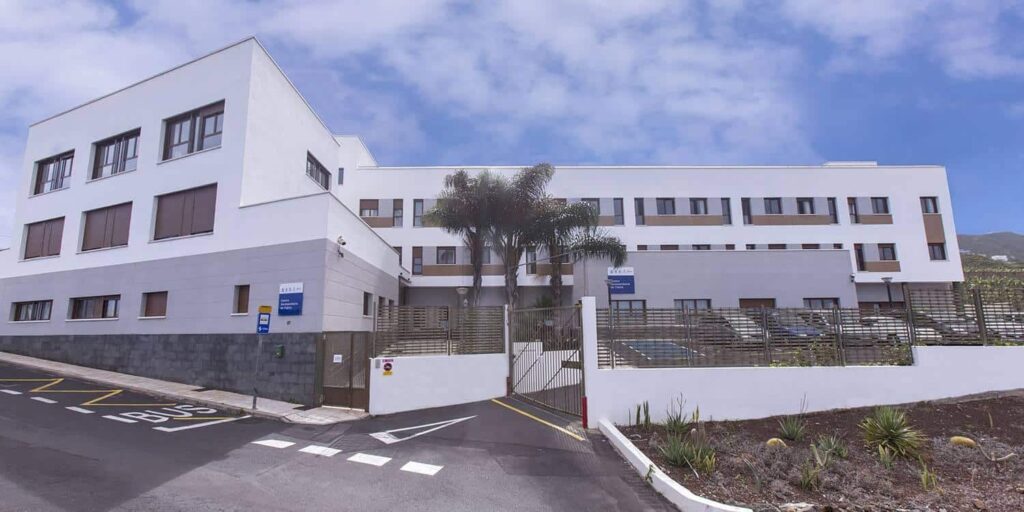
The Canary Islands have modern hospitals such as the HUC in Tenerife or Doctor Negrín in Gran Canaria, as well as health centres spread even across rural areas.
Community and lifestyle
Canarian society is known for its hospitality and warmth. Retirees easily find walking groups, cultural workshops, local markets and intergenerational activities. There are also many foreign residents' associations (British, German, Nordic) that organise social events that make settling in easier.
And if you prefer a digital connection, platforms like CanariasLife Webcams let you keep an emotional bond with familiar landscapes — such as the Plaza de España in Santa Cruz or Benijo beach — even before you arrive.
Nature and daily wellbeing
From trails in the Anaga Rural Park to sunsets in Punta del Hidalgo, the Canarian landscape invites gentle movement and quiet contemplation. The presence of natural pools, viewpoints and accessible routes makes active ageing part of everyday life.
The local diet — rich in fish, wrinkled potatoes, gofio and tropical fruit — also lines up with the principles of the Mediterranean diet, recognised worldwide for its benefits for longevity.
Frequently asked questions about pensions in the Canary Islands
Can I receive my foreign pension in the Canary Islands?
Yes. Pensions from EU countries (and many outside it) can be transferred without problems to Spanish bank accounts. There are no extra taxes for receiving it, although you do need to declare it according to your tax situation.
Is it compulsory to speak Spanish to live in the Canary Islands?
It is not compulsory, but it is very useful. In tourist areas English, German or French are spoken, but for official procedures, doctors' visits or local markets, basic Spanish makes everyday life much easier.
Is there support for foreign retirees?
Yes. There are associations such as AGE (Asociación de Gente Europea) in Tenerife or the British Residents Association in Gran Canaria that offer legal, social and cultural advice.
Which island is best for a quiet retirement?
- La Gomera or El Hierro: ideal for those seeking seclusion and unspoiled nature.
- Tenerife or Gran Canaria: offer better medical infrastructure and flight connections.
- Lanzarote or Fuerteventura: drier climate, perfect for respiratory problems.
Can I rent a house without an open-ended contract?
Yes. Rental contracts can be temporary (minimum 6 months), although it is recommended to sign one for at least a year for greater stability. Many landlords welcome retirees for their low-risk profile.