

The first evidence indicates that the cavity is thousands of years old
A Pre-Hispanic Cave Discovered Using a Drone
Exceptional archaeological finding in Gran Canaria
In February 2020, the discovery of an important pre-Hispanic cave in Gran Canaria was announced. Furthermore, the finding provides new data about the ancient inhabitants of the Canary Islands.
Pre-Hispanic funerary cave with remains of at least 72 people
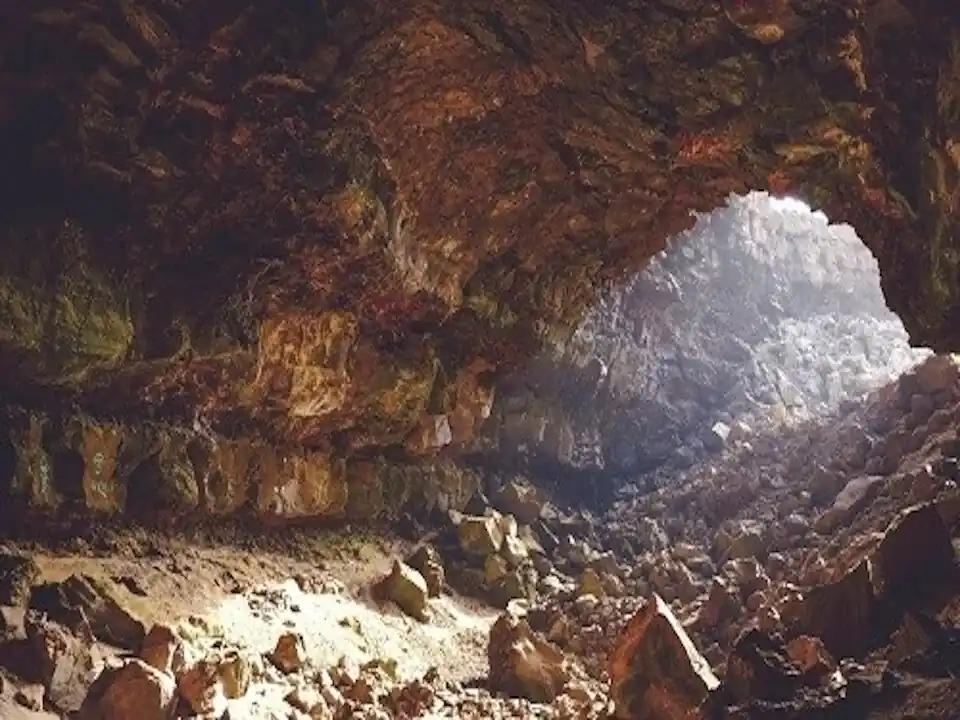
Archaeologists located an underground cave in the Guayadeque ravine in the southeast of Gran Canaria. Inside, they found mummified remains of at least 72 people: women, men, and children. In fact, according to experts, it is one of the largest known aboriginal burial caves in the archipelago.
Discovered thanks to a drone and a group of researchers
The cave is seven meters underground. Initially, it was located by the group "El Legado," which focuses on archaeological research. To do this, its members used drones and studied the area from the air. Later, upon seeing badly damaged bones inside the cave, they alerted the authorities.
Estimated age of the cave: about a thousand years
According to the initial analyses, the cave would be about a thousand years old and would date back to the 9th or 10th centuries. Although more studies will be needed to confirm the dates, experts are already calling it an "exceptional and fabulous" discovery.
Importance of the discovery in the study of aboriginal childhood
Additionally, the site has something unusual: remains of babies and small children, including at least ten newborns. Therefore, it opens new avenues to study how children lived in the aboriginal society of the Canary Islands. Until now, this is a poorly studied topic.
The Guayadeque ravine
The Guayadeque ravine, about 11 kilometers long, separates the municipalities of Ingenio and Agüimes. Since 1991, it has been recognized as a Site of Cultural Interest as an archaeological zone, and it is also declared a Natural Monument.
Its walls are filled with caves that the ancient Canarians used as homes and burial places, such as the Cueva Labra or the Cuevas Muchas. By the 19th century, many looted objects from these caves ended up in the Museo Canario in Las Palmas de Gran Canaria.
Visit Guayadeque
At the entrance of the ravine, next to the GC-103 road, is the Guayadeque Museum – Archaeological Interpretation Center, excavated in a cave; check its hours before you go. Further on, at Cueva Bermeja and Montaña de las Tierras, there are houses and restaurants carved into the rock where you can try local wine, fried pork, and papas arrugadas.
If you want to learn more about the area, visit our page on Ingenio.