
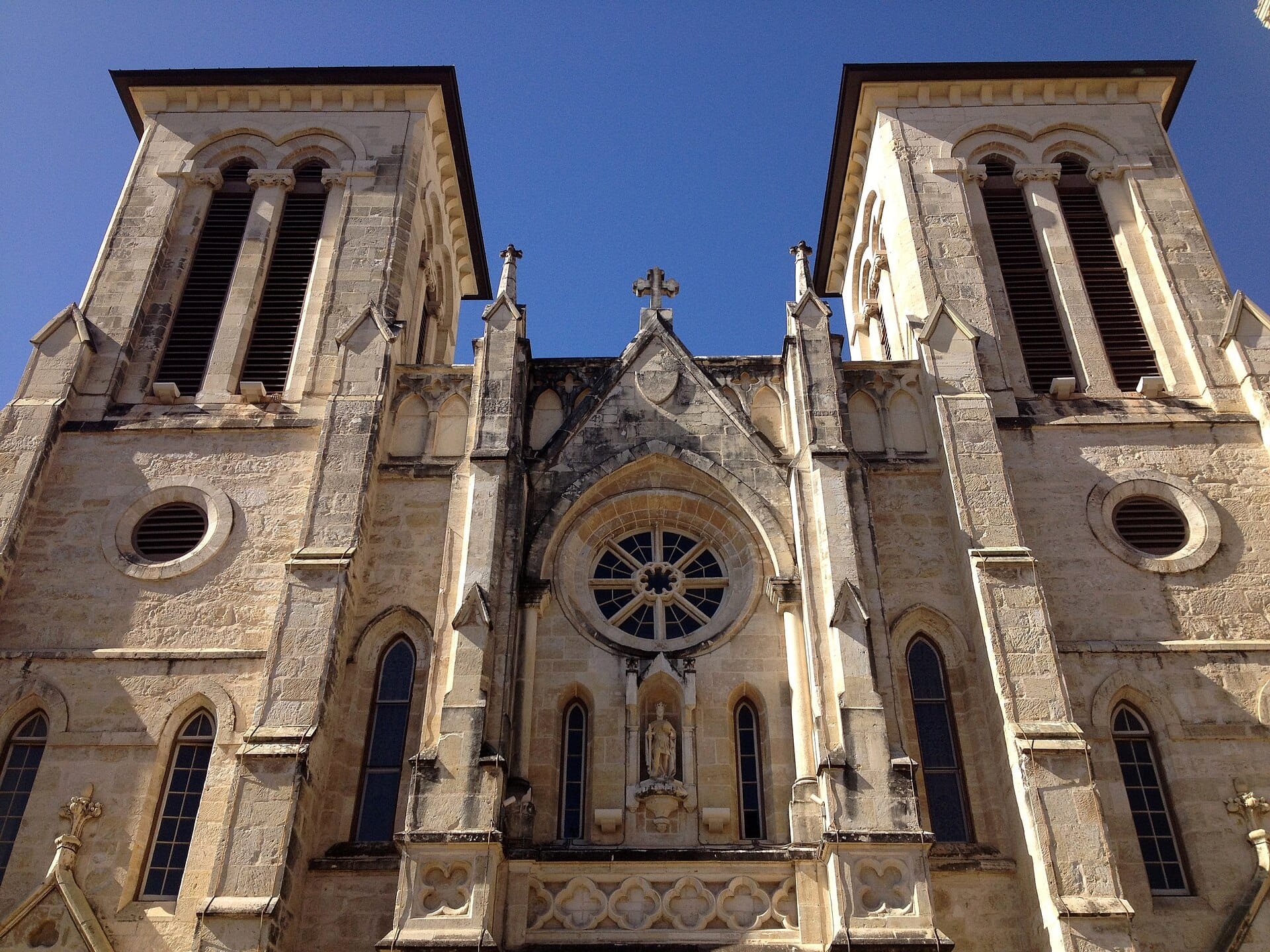
The Canarians who founded San Antonio (Texas)
San Antonio is now one of the largest cities in the United States, with over a million inhabitants. What few people know is that its first civil government was formed by 56 Canarians, mostly from Lanzarote, who arrived in Texas in 1731 after more than a year of travel.
A journey of more than a year
In 1730, King Philip V ordered the sending of Canarian families to populate Texas, then an almost empty frontier of the Spanish empire. On March 27, 1730, the group embarked in Santa Cruz de Tenerife. They came from Lanzarote, Tenerife, Gran Canaria, and La Palma, although most were from Lanzarote, led by Juan Leal Goraz.
After crossing the Atlantic, they disembarked in Veracruz, Mexico, and from there traveled on foot and by wagon hundreds of kilometers north, for months, enduring diseases and hardships. Some died along the way.
The arrival in San Antonio de Béxar, on March 9, 1731
On March 9, 1731, 56 people from 16 families arrived at the presidio of San Antonio de Béxar, a small military fort next to a mission. In July of that year, they began to lay out their village, San Fernando de Béxar, with the church to the west of the square, which they called Plaza de las Islas, and the government house to the east.
There they formed the first organized civil government of Texas. By decree of the viceroy, the colonists and their descendants also received the title of hidalgos.
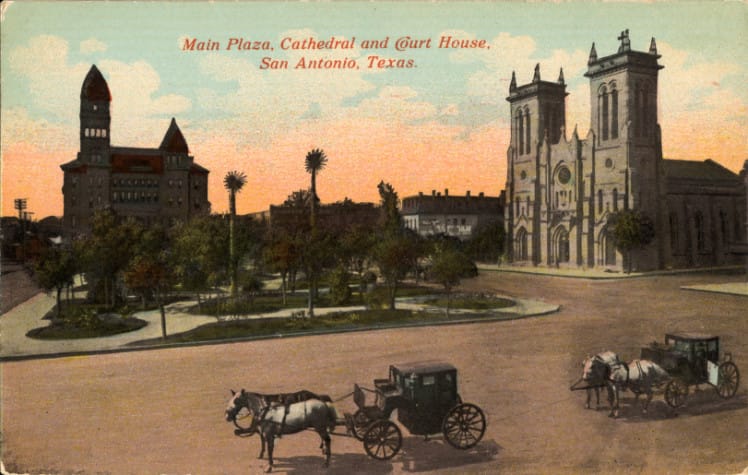
What remains today
- The San Fernando Cathedral, built on top of the church that the colonists built, is one of the oldest temples in the United States.
- The Main Plaza, the former Plaza de las Islas, remains the historic center of the city.
- The descendants remain very connected: the Canary Islands Descendants Association, founded in 1977, organizes events each year and maintains contact with the Canaries.
- Our Lady of Candelaria, the patroness of the Canaries, also has her place in the San Fernando Cathedral.
Canaries, land of emigrants
The adventure of San Antonio was not the only one. In the 18th century, other Canarians settled in Louisiana, where their descendants, the islanders, still preserve traditions, and during the 19th and 20th centuries, hundreds of thousands of Canarians emigrated to Cuba, Venezuela, and Uruguay. That story of back and forth is still very present in the islands.
If you want to see today the places from where those colonists left, take a look at our webcams of Lanzarote or those of the coast of Santa Cruz de Tenerife, the port from which they set out.