
Real-Time Surf Spot
Pozo Izquierdo: where every wave awakens the surfer spirit


A unique corner: Pozo Izquierdo today
👉 What feeling does it give you right now?
The Pulse reflects how this place is perceived right now.

Perfect day

Strong wind

Rough sea

Very quiet
Ideal Promenade

Variable day
Surfing in Gran Canaria: complete guide to Pozo Izquierdo and its waves
Surfing in Gran Canaria means, above all, learning to read the wind. Pozo Izquierdo, located in the southeast of Gran Canaria, is the most technical and intense setting on the island for practicing waves in Gran Canaria: a global benchmark for windsurfers and kitesurfers, which also holds surprises for those arriving with a traditional board on calmer days.
If you close your eyes in Pozo Izquierdo, the first thing you perceive is a constant buzzing. It is the wind. It sets the rhythm, wrinkles the sea, tenses the sails, and shapes the culture of this bay facing the Atlantic. Here, every wave invites you to get up earlier, learn faster, and respect an environment that always commands. That’s why this surf spot in the Canary Islands attracts the world elite of windsurfing every summer, and that’s why the PWA World Cup chooses this place year after year.
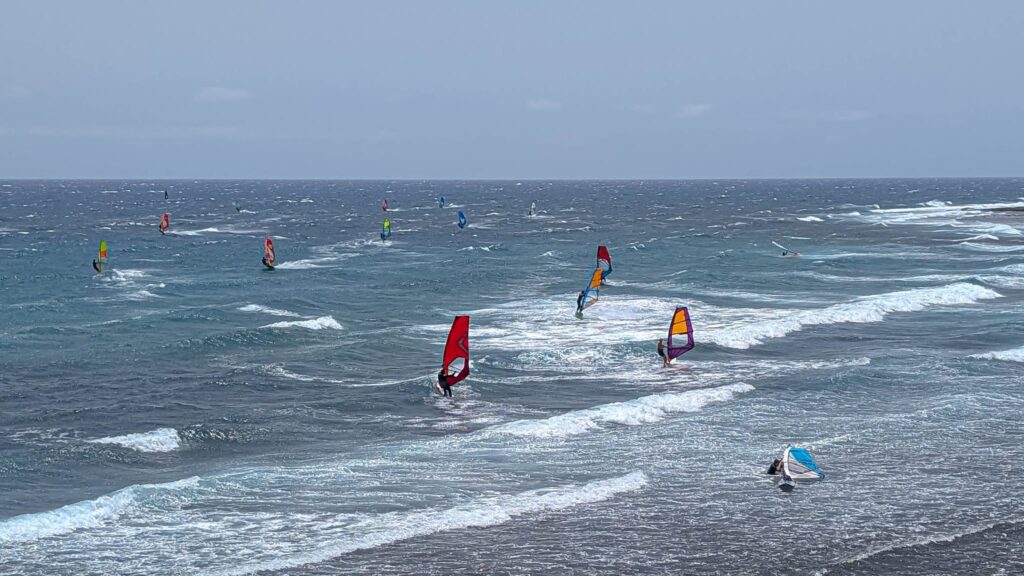
A place forged by the trade winds
Thanks to its open southeast orientation, the northeast winds enter laterally and slightly offshore. For windsurfers and kitesurfers, this configuration is pure fuel. For those surfing with a short board or paddle, conditions can complicate, although on days with light wind or terral from the southwest, the bay offers short rights and clean walls.
Summer is the prime season: gusts of 20 to 30 knots and a persistent wind sea make the bay an ideal stage. When the anticyclone takes hold, Pozo transforms. In winter, on the other hand, the trade winds ease and Atlantic fronts enter. With punctual southwesterly winds, the spot cleans up, revealing sections that showcase the true potential of the place when the swell is dominant and the wind quiets: a hidden gem for those seeking the best surf beaches in the Canaries off-season.
Spot reading: wind, tides, and bottom
Before entering the water, it’s wise to observe for at least ten minutes. The combination of wind, tide, and bottom determines whether it’s time to navigate, surf, or wait until late afternoon. The NE trade wind is almost daily in summer; when the southwest wind comes in, the waves clean up and ideal walls appear. Mid or low tide opens the peak and lengthens the wall, while at high tide the waves break very close to the shore and over rock. The bottom mixes sand with rocky passages, so it's recommended to use booties if the local bathymetry is not well known.
Lateral currents at spring tides and series crossed by gusts are the greatest risks. If you are not familiar with the spot, it is advisable to enter accompanied and always respect the priority system on the wave.
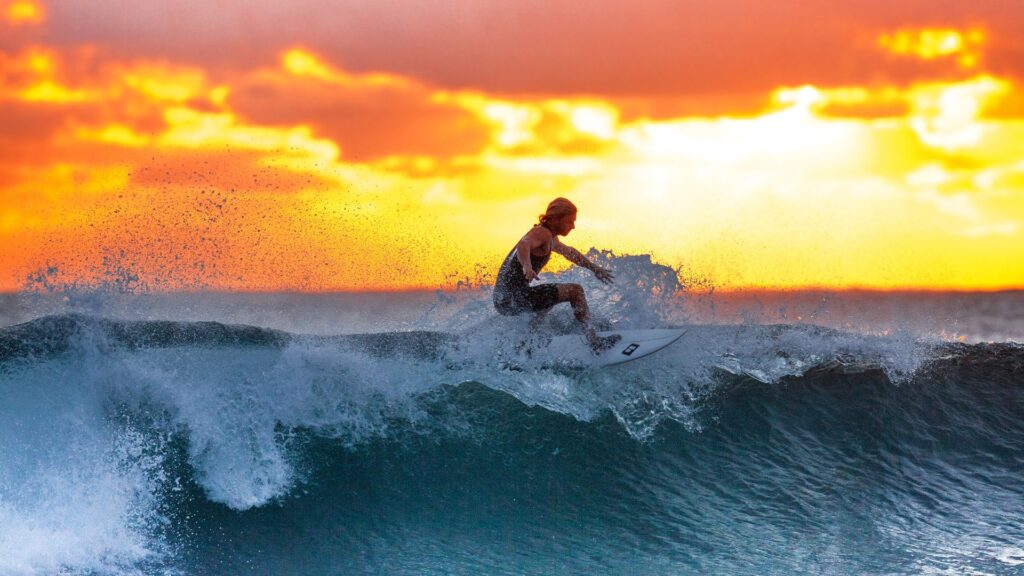
Webcams and reports: surfing planning in Gran Canaria
The local routine begins with a quick check of the webcams and weather reports. Seeing the water in real-time avoids unnecessary surprises. The live webcam from Gran Canaria covers Pozo Izquierdo and key points such as the Puerto de La Luz to assess the wind, and Las Canteras, including the stretch of La Cícer. With these two references, the conditions in the east and north of the island can be quickly assessed before leaving home.
Routes to chain surf spots in the Canary Islands
From Pozo, the options are vast. To the north, Las Palmas it concentrates an urban beach break at La Cícer where surfers of all levels train and enjoy. When the swell rises and the wind drops, the reefs of the capital deliver postcard-rights, although only suitable for advanced profiles.
To the south, Playa del Inglés and San Agustín they are ideal when the south swell arrives or when the east calms down at dawn. For those looking for the beaches with waves in the Canary Islands more accessible for beginners, these two options in the southern corridor are a good starting point.
The island is compact: if the east gets difficult, in about 40 minutes you can be enjoying barrels at El Confital or walls at La Cícer. A car with roof racks is still the best ally to connect the best surf destinations in the Canary Islands in a single day.
Logistics, gastronomy, and accommodation near Pozo
Pozo Izquierdo has a promenade, parking, and technical centers where you can rent or repair equipment. In Vecindario, a few kilometers away, there are supermarkets, workshops, and all kinds of accommodations. The surf houses at Las Canteras place the surfer just two minutes from the peak at La Cícer.
Between sessions, Santa Lucía de Tirajana it offers tables with local products: grilled vieja or cherne, wrinkled potatoes with mojo sauce, gofio escaldado, and artisanal cheeses. A barraquito coffee with views of the kites wraps up any perfect day.
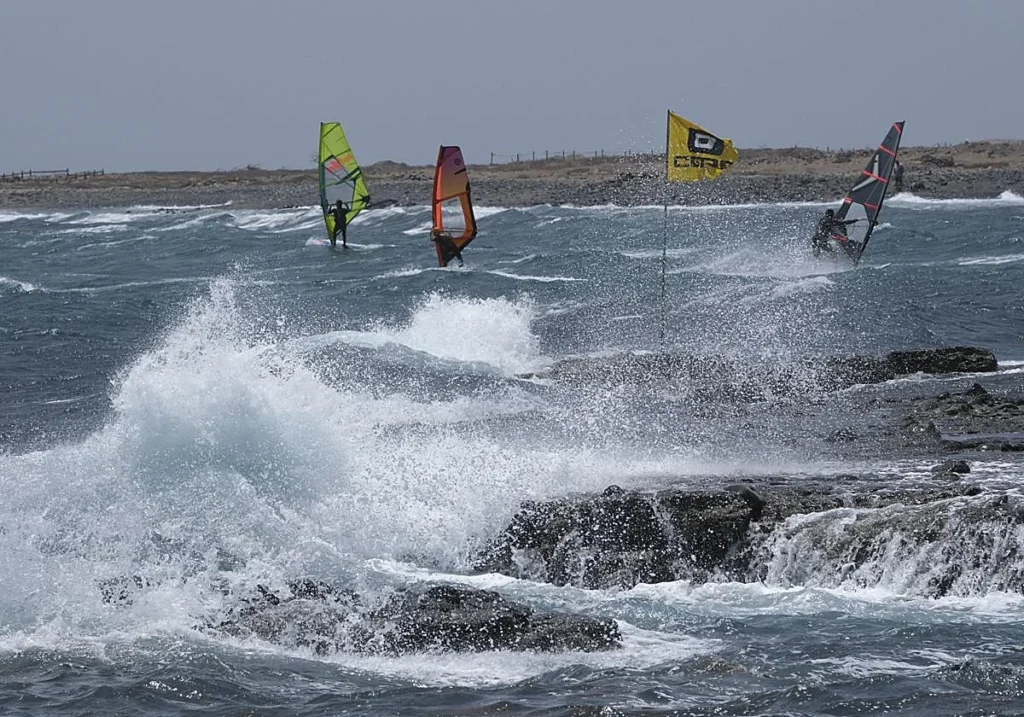
Everything you need to know about surfing in Gran Canaria
What is the best surf spot in Gran Canaria for beginners?
La Cícer, in Las Canteras, is highly recommended: urban beach break, lifeguards, and surf schools right on the sand. Playa del Inglés also has accessible waves when the south swell arrives.
When is the best time to surf in Gran Canaria?
Autumn and winter bring the best northern swells, with orderly waves at Las Canteras and the north of the island. Summer is the season for windsurfing and kitesurfing in Pozo Izquierdo.
Is Pozo Izquierdo suitable for surfers with a traditional board?
Only on days with a southwest wind or terral, when the sea is clear. In summer, the wind prevails, making it a spot more oriented towards windsurfing and kitesurfing.
How to get to Pozo Izquierdo from Las Palmas?
On the GC-1 heading south, the journey takes about 30 minutes. From Gran Canaria airport, it is about a 20-minute drive.
Are there surf schools in Gran Canaria near Pozo?
Yes. In Las Canteras there are several schools with daily classes for all levels. In Pozo Izquierdo, the technical centers are mainly focused on windsurfing and kitesurfing.