
The belief that the Canary Islands are a continuous concentration of 'beach and sun'
The Canary novelist Benito Pérez Galdós
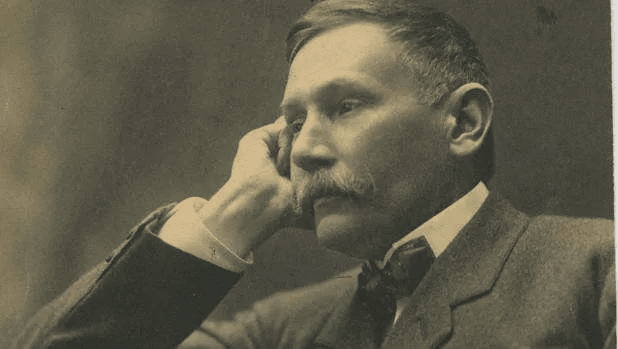
Benito Pérez Galdós: Life and Legacy of the Great Canarian Novelist
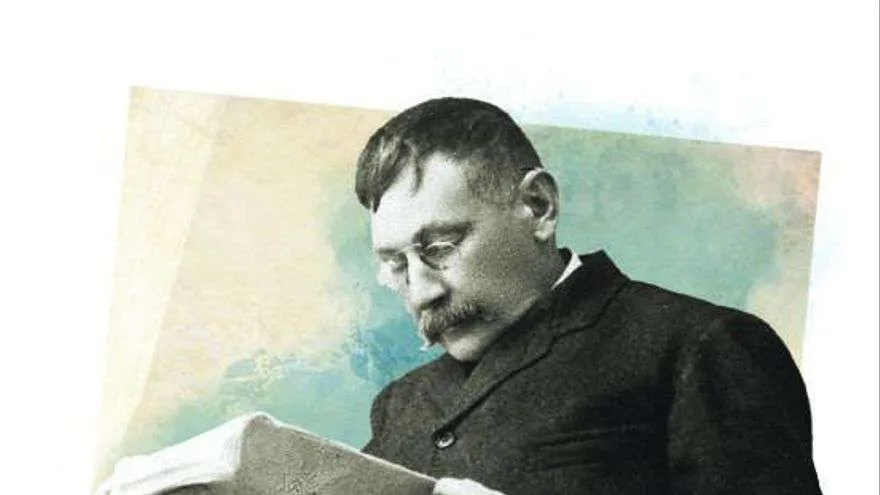
Many think that the Canary Islands only offer sun and beach, but nothing could be further from the truth. This archipelago has also been the birthplace of great cultural and artistic figures. One of the most prominent is Benito Pérez Galdós , born in Las Palmas de Gran Canaria in 1843.
Galdós was not only a writer but also a social observer, journalist, and defender of literary truth. Although his work was ignored in many circles during his life, today he is recognized as one of the best novelists in the Spanish language, even compared to Cervantes.
Beginnings of his life and literary career
From a young age, he showed interest in music, drawing, and literature. At nineteen, he traveled to Madrid to study law, but his true calling was writing. There, he met important intellectuals and began collaborating in media such as La Nación and El Debate . His encounter with Baudelaire in Paris marked a turning point in his narrative style.
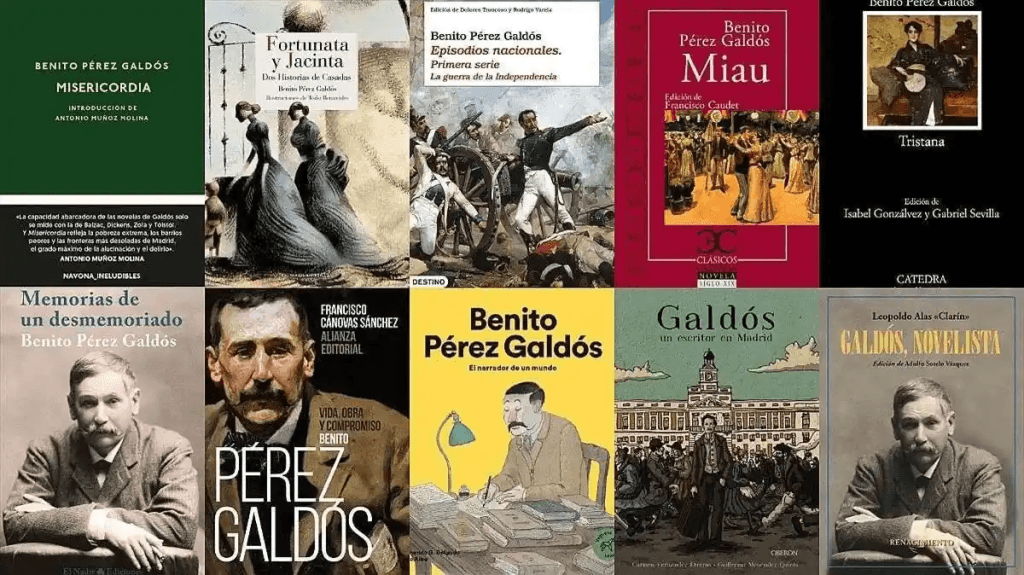
In 1873, he published the first Episodios Nacionales , a series of historical novels that portray 19th-century Spain. With these works, he managed to blend history and fiction, bringing memorable characters to life and vividly recreating the political and social events of the time.
Unique characteristics of his work
What distinguishes Pérez Galdós is his deep psychological understanding of the characters. His stories reflect the social reality of Spain, something that was uncomfortable for both the Church and conservative sectors. Because of this, his books were rejected by many, and he himself was marginalized from official recognition, including the Nobel Prize.
Despite this, he left an enduring legacy. Among his works are also 34 novels and several plays. Additionally, he devoted time to politics and served as a deputy for the Republican Party, although he never felt comfortable in that realm.
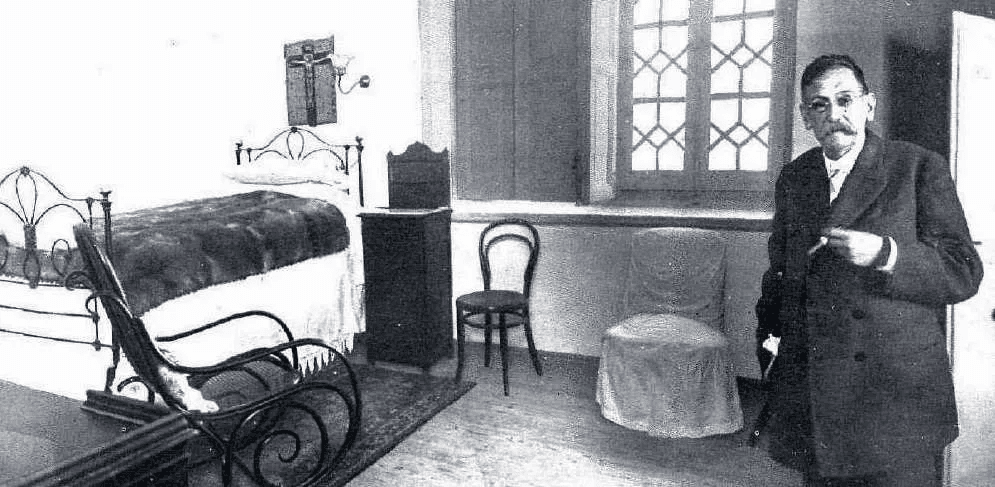
Final years and death
In his later years, he lost his eyesight and faced serious financial problems. He died in poverty in 1920, but his work remains alive. Reading Galdós is an immersion into the human mind and the history of Spain.
Do you want to learn more about other great writers of Hispanic literature? We invite you to explore more about classic authors from Spain .