

What you might not know is that the island of La Palma
is the one that has suffered the most eruptions throughout history.
The Canary Islands. A volcanic archipelago
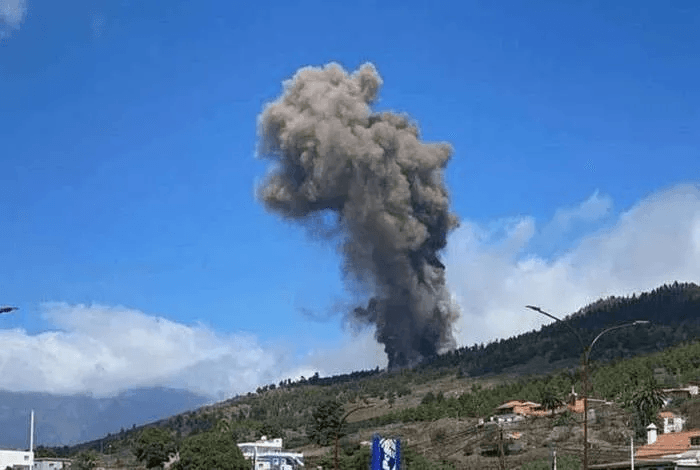
Volcanic eruptions in La Palma: history and present
All the Canary Islands have volcanic origins, but La Palma is the island with the most recorded eruptions since the conquest. The most recent began on September 19, 2021, in the Cumbre Vieja area, after a week of seismic swarms. The new volcano, named Tajogaite, was active for 85 days and was declared finished in December of that year.
The lava covered more than 1,000 hectares and destroyed thousands of buildings, roads, and crops in the Aridane valley. Thanks to preventive evacuations, the lava did not cause casualties, although thousands of people lost their homes and livelihoods.
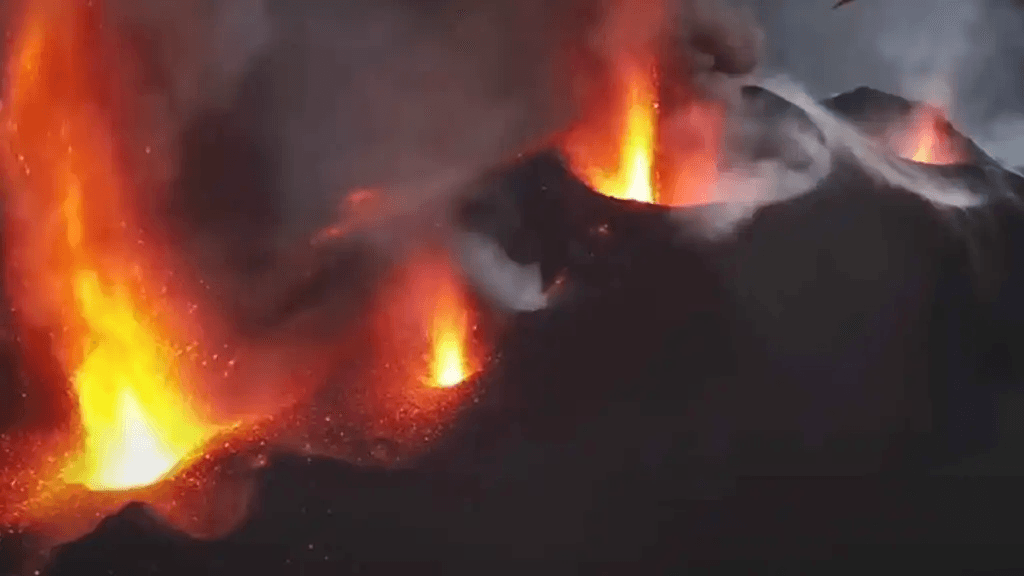
Volcanic history of La Palma
Since the conquest, seven eruptions have been documented in La Palma:
- Tehuya (1585)
- Martín or Tigalate (1646)
- San Antonio (1677)
- El Charco (1712)
- San Juan (1949)
- Teneguía (1971)
- Tajogaite (2021)
An earlier eruption in Tacande, of uncertain date, is often added, which some authors place at the end of the 15th century.

An archipelago still active
La Palma is not the only island with recent volcanoes. In Lanzarote, the eruptions of Timanfaya (1730-1736) covered a quarter of the island. In Tenerife, the last volcano was Chinyero in 1909, and Teide remains an active volcano, monitored continuously. In El Hierro, in 2011-2012, the underwater volcano Tagoro was born off La Restinga.
How is a volcanic eruption managed?
The National Geographic Institute and the Canary Islands Volcanological Institute continuously monitor the seismic and volcanic activity of the islands. In the event of an eruption, the Special Civil Protection Plan (PEVOLCA) coordinates evacuations and the response from different administrations. In La Palma, the focus today is on reconstruction.
To know what the volcano area looks like today, you can consult the official guide from Visit La Palma. And to see the island live, check out our webcams of La Palma.