

What to see in La Victoria de Acentejo, Tenerife
A town of Acentejo between vineyards and the sea
La Victoria de Acentejo Tenerife, the village born of a battle
La Victoria de Acentejo carries in its name the outcome of the conquest of Tenerife. The 25 December 1495, on the very land the municipality occupies today, the troops of Alonso Fernández de Lugo definitively defeated the Guanches of the Taoro menceyato in the so-called Segunda Batalla de Acentejo, putting an end to indigenous resistance on the island. In thanks, Lugo had a hermitage built and promised that the village that grew there would be called La Victoria. The municipality is today also one of the spots in the north of Tenerife with the strongest winemaking, craft and gastronomic tradition in the Acentejo area.
The Second Battle of Acentejo and the origin of the municipality
A year after the Castilian defeat in the neighbouring ravine — what is today La Matanza de Acentejo — the troops of Lugo returned with a reorganised army. On 25 December 1495, around 6,000 Guanche warriors awaited them in the same ravine, but this time the Castilians split their forces with firearms, crossbowmen and cavalry on the flanks. The Guanche resistance collapsed completely. Bentor, son of mencey Bencomo, threw himself down the slope of Tigaiga rather than surrender. With cries of Victoria! Victoria! the conquest of Tenerife.
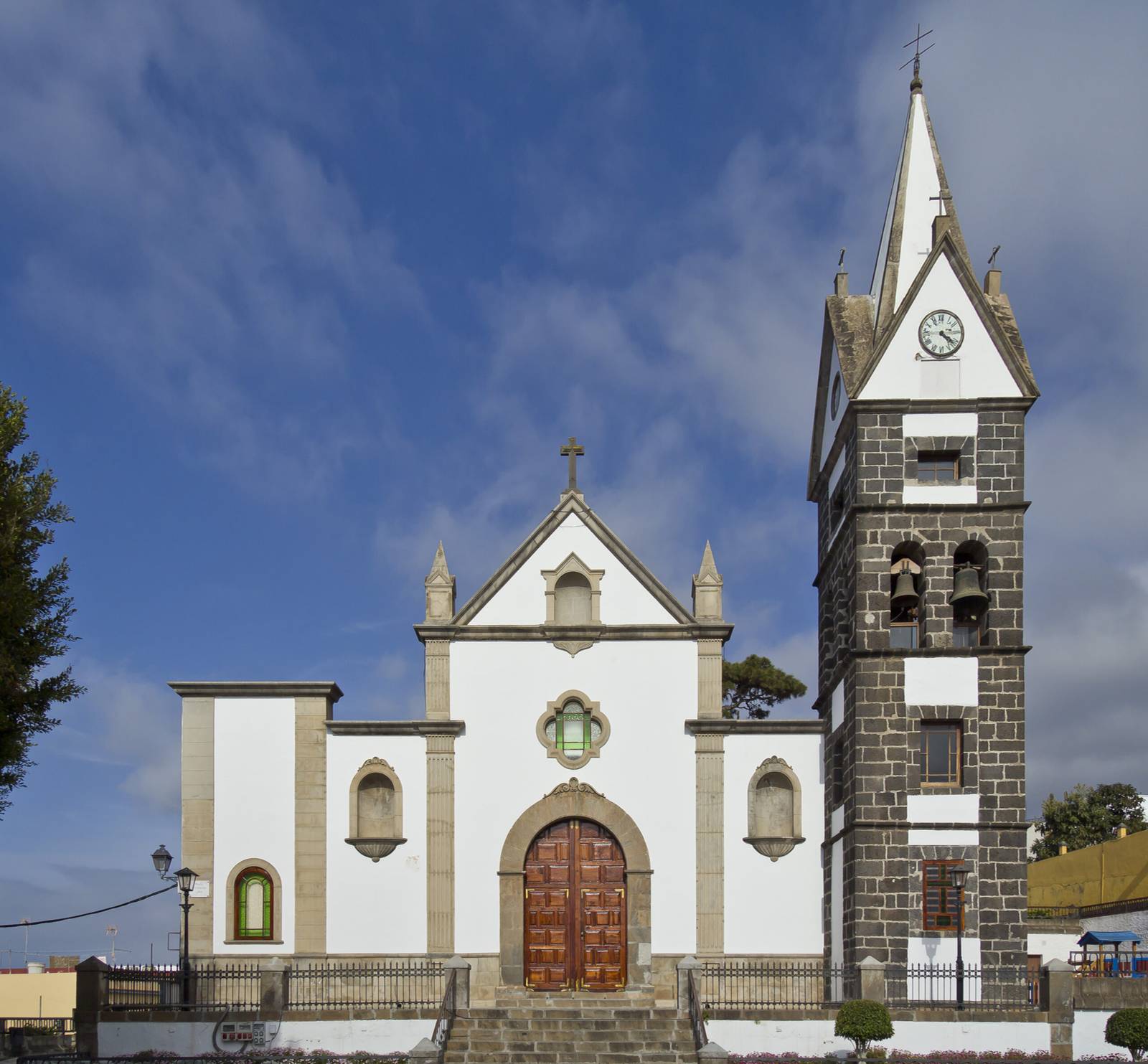
was completed. Lugo kept his promise: he built a hermitage on the site of the battle and founded the village that would carry the name of his triumph. The church that can be visited today was built in 1537, rebuilt after a fire in 1589 and extended in the 18th century to its current state.
The Iglesia de Nuestra Señora de la Encarnación and the Pino Centenario
The Iglesia de Nuestra Señora de la Encarnación — popularly known as Iglesia de La Victoria — is the municipality's most important monument and was declared a Cultural Heritage of Interest in 1985. It stands in the main square of the historic centre, exactly on the spot where the battle took place. Inside it houses one of the most notable Mudéjar coffered ceilings in Canary Islands, richly decorated, along with an image of Nuestra Señora de Los Ángeles from the 16th-century Italian school, a silver monstrance from 1748 and another sent from Mexico in 1739.
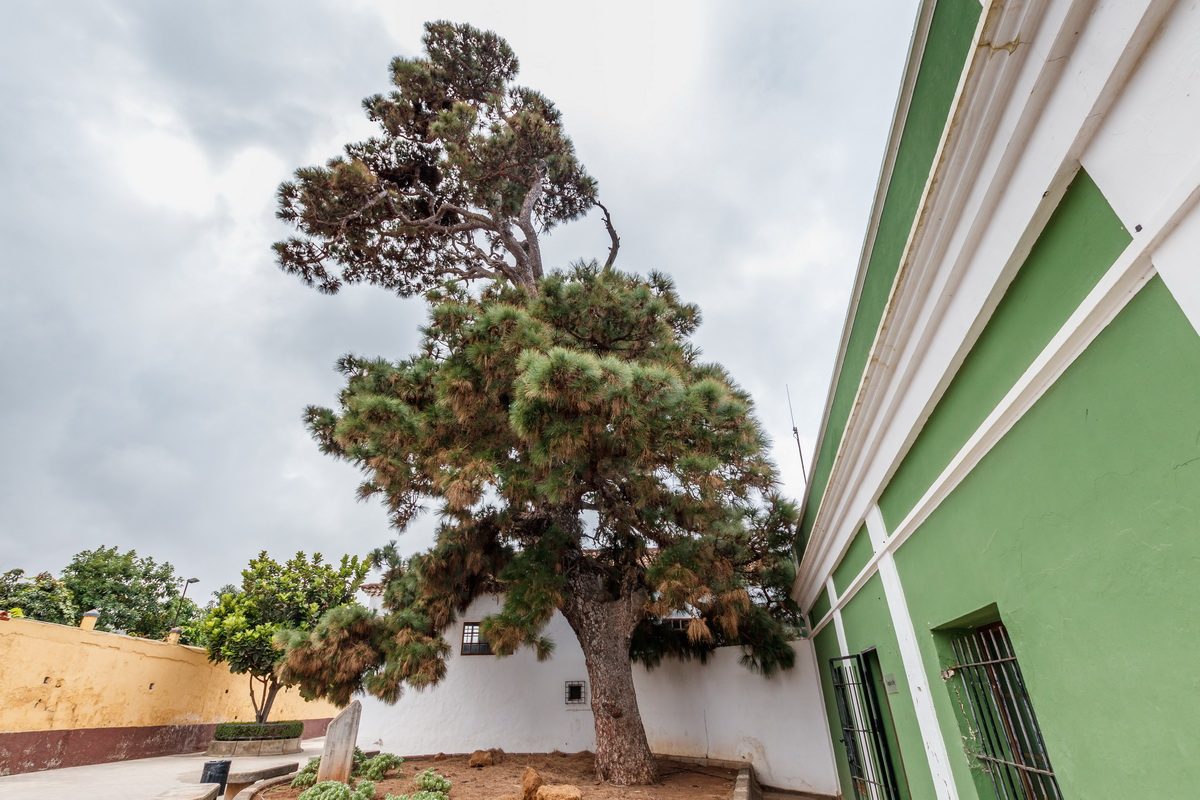
At the back of the church grows the Pino Centenario, a Canary pine that was a silent witness to the 1495 battle and served as a bell tower for the first mass held after the clash. It is, therefore, one of the trees with the most history in Tenerife and a living symbol of the municipality's identity.
The wines and the guachinches
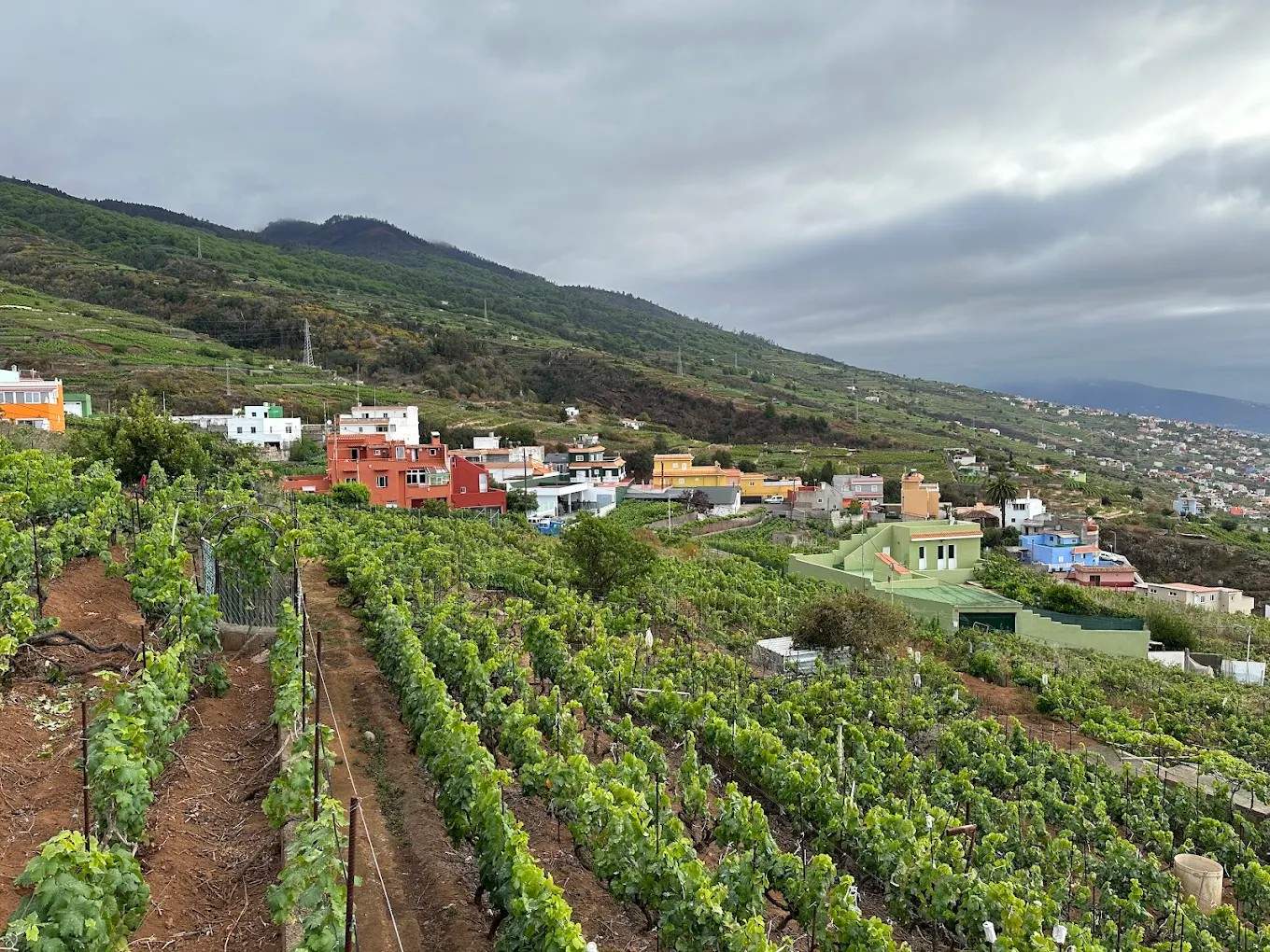
La Victoria de Acentejo it is part of the Designation of Origin Tacoronte-Acentejo, the first Designation of Origin recognised in Canary Islands. Its vineyards spread across the municipality's mid-mountain area, on volcanic soils that produce full-character red wines, made mainly with listán negro. The tradition of guachinches is also just as deep-rooted here as in the neighbouring municipality of La Matanza: between October and March producers open their family-run venues to serve the new wine with simple Canarian cooking. It is a dining experience that can't be reproduced anywhere else.
The municipality also produces banana plantations and other mid-mountain crops that supply the local markets. The Mercadillo del Agricultor lets you buy seasonal produce, homemade cheeses and local wine directly from the producer.
Craft: victorieras chairs and calados
La Victoria de Acentejo has its own craft tradition, well known throughout Tenerife. The sillas victorieras are wooden chairs with hand-woven rush seats, whose production in the municipality gave this type of seat its name across the whole island. The calados — embroidery made by cutting threads from the fabric — are another of the municipality's craft specialities, almost always made by women using techniques passed down through generations. The pottery completes this craft triangle that makes La Victoria a benchmark for Canarian craftwork in the north of Tenerife.
Hiking and landscape
The municipality offers hiking routes among vineyards, chestnut trees and viewpoints. The Camino de Candelaria — the historic route followed by pilgrims to the basilica of Candelaria — crosses the municipality, starting in the area of La Sebe and heading down south. It is also a route of great historical and identity value for Tenerife. From the upper parts of the municipality you can also reach the Paisaje Protegido de Las Lagunetas, with pine forests, heathland and views over the north of the island.
Gastronomy in La Victoria de Acentejo
The gastronomy of La Victoria de Acentejo finds its most authentic expression in the guachinches . These family-run venues serve wine from their own harvest with wrinkled potatoes, mojo, cold cuts, roasted cheese and hearty stews during the open months. The municipality's restaurants also offer more elaborate Canarian cuisine: stews, grilled meats, fresh fish and bienmesabe for dessert. The patron saint festivities in honour of Nuestra Señora de la Victoria, in August, also add a festive and gastronomic dimension that brings together residents and visitors.
How to get to La Victoria de Acentejo
La Victoria de Acentejo is in the north of Tenerife, about 22 kilometers from Santa Cruz de Tenerife via the TF-5 (approximately 20-25 minutes by car). From Puerto de la Cruz it's about 12 kilometres and 15 minutes. The TF-5 motorway runs through the municipality, making it one of the most accessible in the north of the island. By public transport, several TITSA bus lines connect the municipality with Santa Cruz, La Laguna and other villages in the north. Also check the live cameras in Tenerife to help you navigate the island.
Frequently asked questions about La Victoria de Acentejo Tenerife
Why is it called La Victoria de Acentejo?
The name commemorates the Segunda Batalla de Acentejo of the 25 December 1495, in which Alonso Fernández de Lugo definitively defeated the Guanches, ending the conquest of Tenerife. Lugo promised that the village founded on that site would be called La Victoria, and had the hermitage built right there that is today the Iglesia de Nuestra Señora de la Encarnación.
What is the Pino Centenario in La Victoria?
It is a Canary pine located at the back of the Iglesia de Nuestra Señora de la Encarnación, a witness to the 1495 battle. It served as a bell tower for the first mass held after the clash and is today one of the most iconic historic trees in Tenerife.
What is the silla victoriera?
It is a type of wooden chair with a hand-woven rush seat, whose craft production in La Victoria de Acentejo gave this model its name across the whole island. Together with calados and pottery, it is part of the municipality's most deep-rooted craft tradition.
When do the guachinches run in La Victoria de Acentejo?
The guachinches usually open between October and March, coinciding with the new harvest wine. They are family-run venues where the winegrower themselves serves their wine with simple Canarian food. It's a good idea to check each venue's opening before visiting, since hours vary.
What is the D.O. Tacoronte-Acentejo?
It is the first Appellation of Origin recognised in Canary Islands, covering the municipalities of the Acentejo area, including La Victoria de Acentejo. Its red wines, made mainly with listán negro have national and international recognition.
How do you get to La Victoria de Acentejo from the airport?
Since the Tenerife North Airport it's about 15 kilometres and approximately 15-20 minutes by car via the TF-5. From the Tenerife South Airport the journey is about 60 kilometres and approximately 50-60 minutes via the TF-1 and the TF-5.