
La Matanza de Acentejo Tenerife, Guanche history and northern wines
La Matanza de Acentejo is one of the municipalities with the most striking name in Tenerife and certainly the one with the most dramatic history. Its name commemorates the battle of 31 May 1494, when the Guanches of mencey Bencomo set an ambush in the Barranco de Acentejo and defeated the Castilian army of Alonso Fernández de Lugo, forcing him to temporarily abandon the conquest of the island. It was the greatest indigenous victory of the entire conquest of Canary Islands. Today, however, the municipality is a peaceful place of vineyards, viewpoints and volcanic coastline in the northeast of TenerifeYou can check the live cameras in Tenerife to see the weather in the north of the island before visiting.
The Battle of Acentejo and the origin of the name
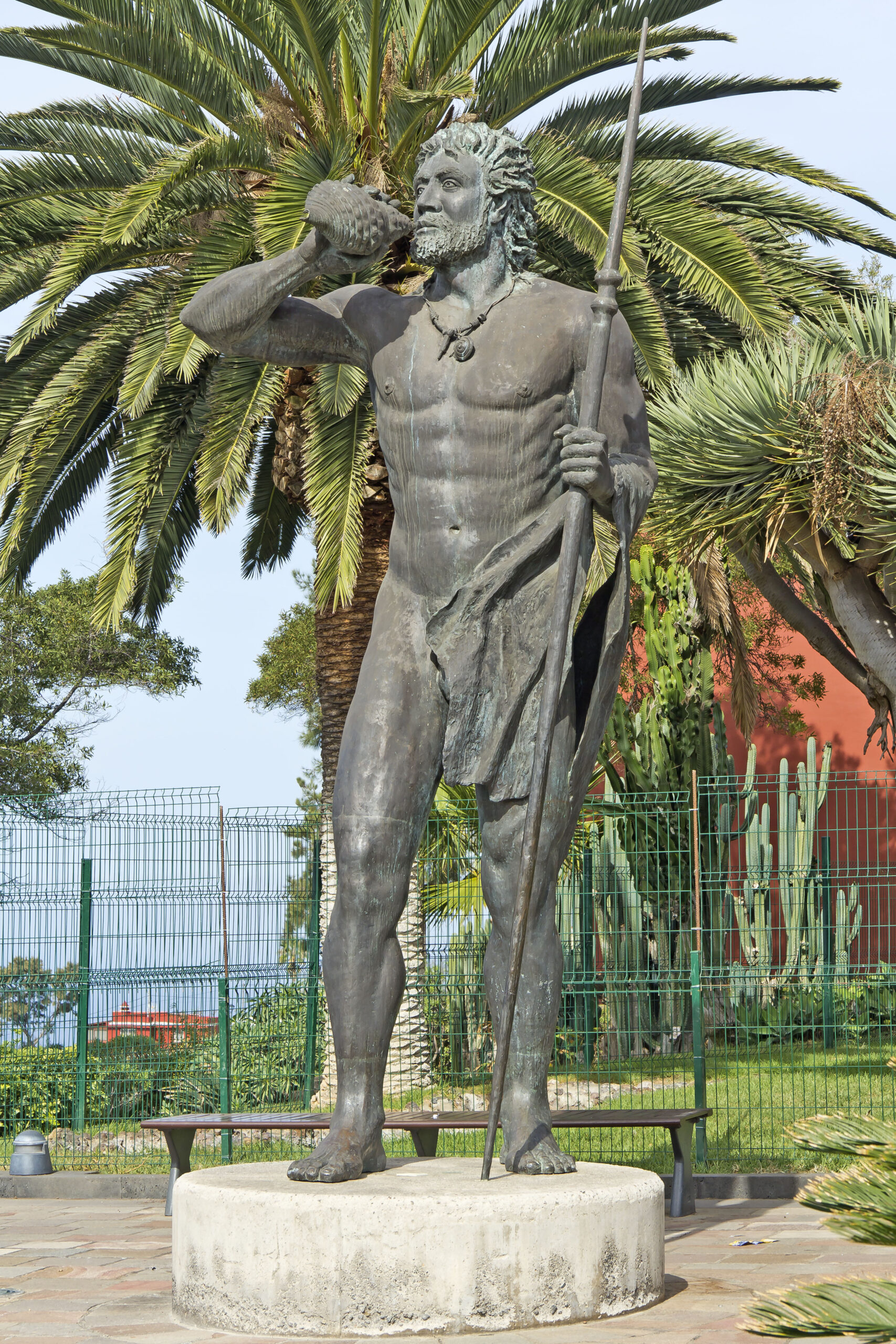
The 31 May 1494 took place in the Barranco de Acentejo — called Farfán by the Guanches — the first great battle of the conquest of Tenerife. The Guanches took advantage of the rugged terrain of the ravine to ambush the Castilian troops, causing hundreds of casualties among the soldiers of Alonso Fernández de Lugo. It was, therefore, the most severe military defeat Lugo suffered in his entire campaign.
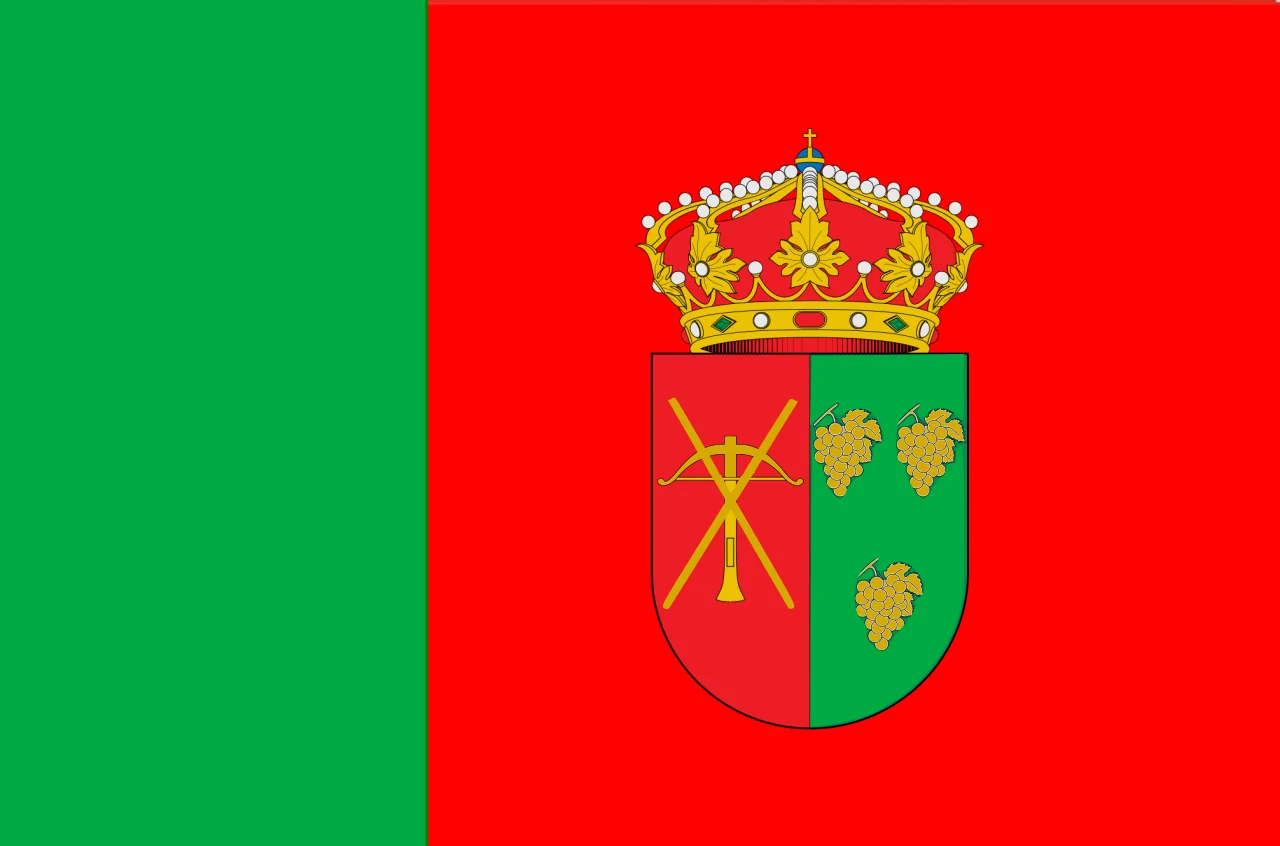
The term Acentejo comes from Guanche and means, according to some researchers, continuous echo, an acoustic reference to the sound of the ravine. The name was officially added to the municipality's name in 1916 to distinguish it from other villages with the same name. The municipality's coat of arms also reflects the two pillars of its history: the first quarter in red with crossed weapons symbolises the battle; the second, in green with golden grape clusters, represents winegrowing.
The vineyards and the Tacoronte-Acentejo Designation of Origin
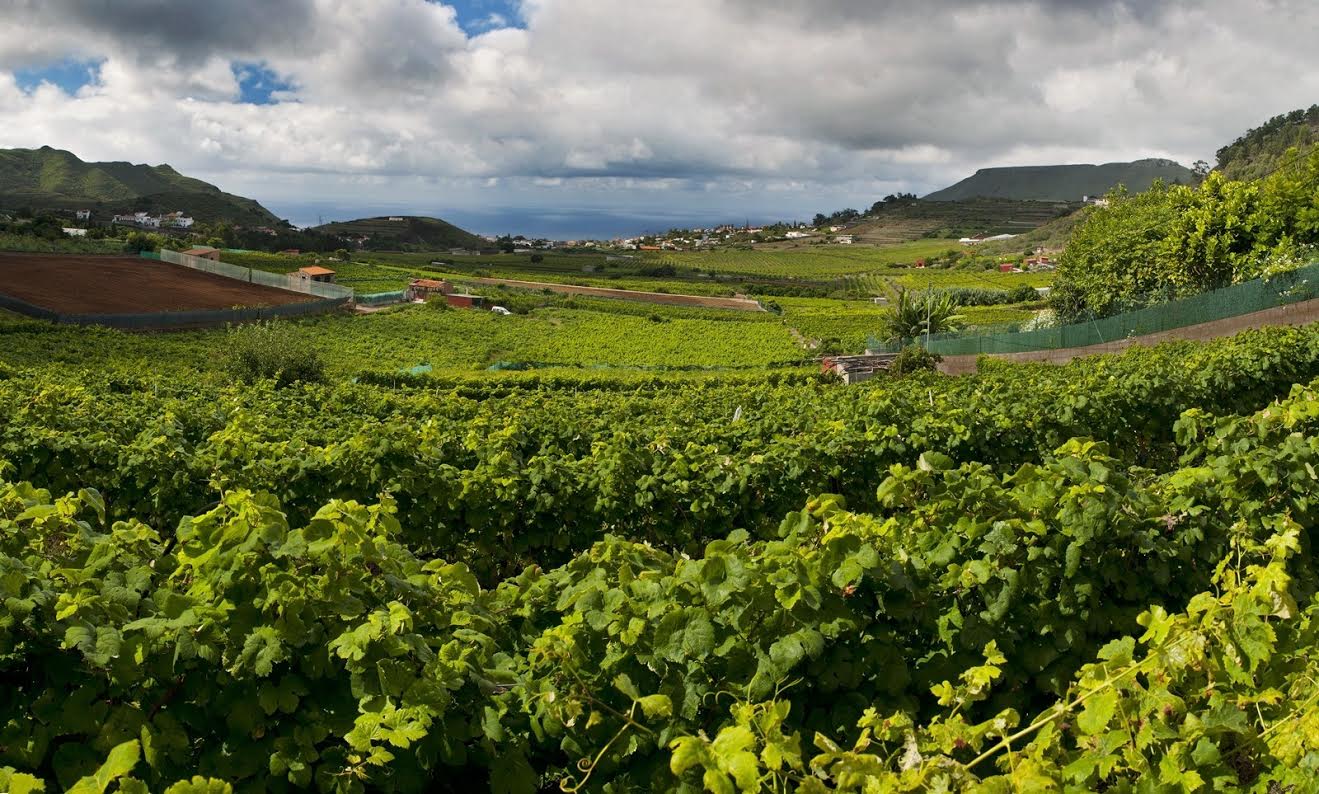
La Matanza de Acentejo it is part of the Designation of Origin Tacoronte-Acentejo, the first Designation of Origin recognised in Canary Islands and one of the most prestigious in the archipelago. Its vineyards spread across the municipality's mid-mountain area, between 200 and 800 metres above sea level, on volcanic soils that give the wine a very distinctive character. The area's red wines, made mainly with listán negrograpes, have a long tradition and have gained international recognition in recent years.
In addition, La Matanza is one of the northern municipalities of Tenerife with the strongest tradition of guachinches, the family-run venues where wine from their own harvest is served with simple food during the open months, usually between October and March. It is, for this reason, one of the most authentic and affordable dining experiences on the whole island.
El Caletón and the volcanic coastline
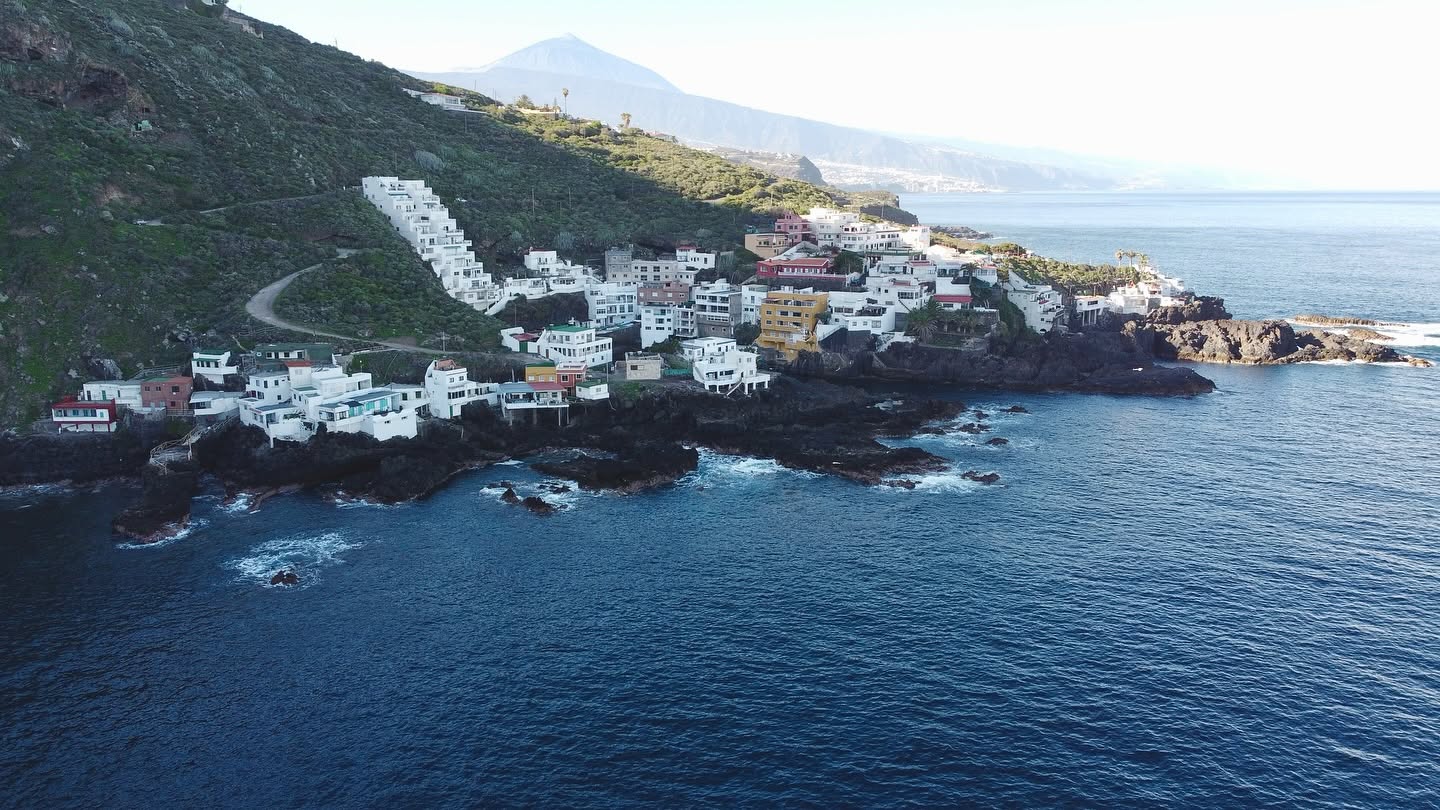
The coast of La Matanza de Acentejo is part of the Protected Landscape of the Costa Acentejo, a natural area of great ecological value with volcanic cliffs, halophyte vegetation and marine wildlife. The most visited spot is El Caletón, a small cove formed by a tongue of lava reaching into the Atlantic creating rock pools and natural pools of crystal-clear water. The hollows in the lava form pools of different sizes, with sandy and rocky areas. It is also a traditional summer spot for the municipality's residents, with a small pier and mooring area.
The cliffs along the coast are also home to sea thyme scrub, sea lettuce, black wood and granadillos, alongside tabaibal-cardonal vegetation, forming one of the best-preserved coastal ecosystems in the northeast of Tenerife.
Los Nateros and the Mirador de La Vica
Los Nateros is the municipality's main farming area and one of the most appealing mid-mountain landscapes in the northeast of Tenerife. Its slopes are covered with vineyards, banana plantations, fruit trees, plum trees and an impressive stretch of chestnut trees flanked by the Montañas de San Antonio. In autumn, the golden colour of the chestnut trees turns the landscape into one of the most photogenic in the area. The circular trail of Los Nateros also runs through the area among woodland, vineyards and viewpoints, with a 1,150-metre jogging circuit. It is also the place where the Guanches came down to face the Castilians in the battle of 1494.
Since the Mirador de La Vica, in the upper part of the municipality, offers one of the best panoramas in the north of Tenerife: the coastline from Puerto de la Cruz to Santa Cruz, the Teide in the background and the municipalities of the Valle de Acentejo in the foreground. It is, in short, one of the least visited and most rewarding viewpoints in the north of the island.
Gastronomy in La Matanza de Acentejo
The gastronomy of La Matanza de Acentejo revolves around wine and mid-mountain Canarian cuisine. The guachinches are the most sought-after option: seasonal family-run venues serving wine from their own harvest with wrinkled potatoes, mojo, cold cuts, roasted cheese and hearty stews. The atmosphere is informal, prices are very reasonable and the experience is impossible to reproduce outside Tenerife.
The municipality's restaurants also offer more elaborate Canarian cuisine: vegetable stews, grilled meats, fish from the north and bienmesabe for dessert. The guachinche season coincides with the new wine harvest, generally between October and March, so it's worth checking opening times before visiting.
How to get to La Matanza de Acentejo
La Matanza de Acentejo is in the northeast of Tenerife, about 20 kilometres from Santa Cruz de Tenerife via the TF-5 (approximately 20-25 minutes by car). From Puerto de la Cruz it's about 15 kilometres and 15-20 minutes. The municipality is 10 kilometres east of Puerto de la Cruz and borders La Victoria de Acentejo, El Sauzal and Candelaria. By public transport, several TITSA bus lines connect the municipality with Santa Cruz and other villages in the north. Also check the live cameras in Tenerife to help you navigate the island.
Frequently asked questions about La Matanza de Acentejo Tenerife
Why is it called La Matanza de Acentejo?
The name commemorates the battle of 31 May 1494, when the Guanches of mencey Bencomo defeated the Castilian army of Alonso Fernández de Lugo in an ambush in the Barranco de Acentejo. It was the greatest indigenous victory of the conquest of Canary Islands and forced Lugo to temporarily abandon the island. The term "Acentejo" was added to the name in 1916 to distinguish it from other municipalities with the same name.
What wines are produced in La Matanza de Acentejo?
The municipality is part of the D.O. Tacoronte-Acentejo, the first designation of origin recognised in Canary Islands. Its red wines, made mainly with listán negro grapes on volcanic mid-mountain soils, have their own character and international recognition. The tradition of guachinches also lets you taste harvest wine straight from the producer.
What is a guachinche?
It is a seasonal family-run venue, typical of the north of Tenerife, where the winegrower opens their home or winery to serve wine from their own harvest along with simple food: wrinkled potatoes, mojo, cold cuts and cheese. They usually run between October and March, coinciding with the new wine, and are one of the most authentic dining experiences on the island.
What is El Caletón in La Matanza?
It is a volcanic cove on the municipality's coast, formed by an old tongue of lava that created natural pools of crystal-clear water. It is the municipality's most popular swimming spot and a traditional summer destination for residents. It is part of the Protected Landscape of the Costa Acentejo.
What is Los Nateros?
It is the main farming area of La Matanza de Acentejo, with vineyards, banana plantations, fruit trees and a spectacular stretch of chestnut trees next to the Montañas de San Antonio. In autumn it is one of the most photogenic landscapes in the northeast of Tenerife. The circular trail of Los Nateros and the historic Camino de los Canariosrun through its paths, the same route the Guanches came down for the 1494 battle.
How do you get to La Matanza de Acentejo from Santa Cruz?
It's about 20 kilometres via the TF-5 motorway, approximately 20-25 minutes by car. By public transport, several TITSA bus lines connect the municipality with Santa Cruz de Tenerife and with other villages in the north of the island throughout the day.