
What to see in Arico, Tenerife
Tranquil southeast coast and Porís de Abona
Arico Tenerife, the authentic southeast between ravines and volcanic coast
Arico is the second largest municipality of Tenerife, with 178 square kilometers that stretch from the interior peaks to the volcanic coast of the southeast. Its territory includes 22 very distinct population centers: midlands villages with traditional Canary architecture, volcanic rock ravines that are an international reference for sport climbing, and a quiet coast with fresh fish restaurants. Additionally, Arico is one of the municipalities of Tenerife that most people cross via the TF-1 without imagining all it holds. You can check the live cameras in Tenerife to see the sea conditions before visiting its coast.
Arico Nuevo and Arico Viejo
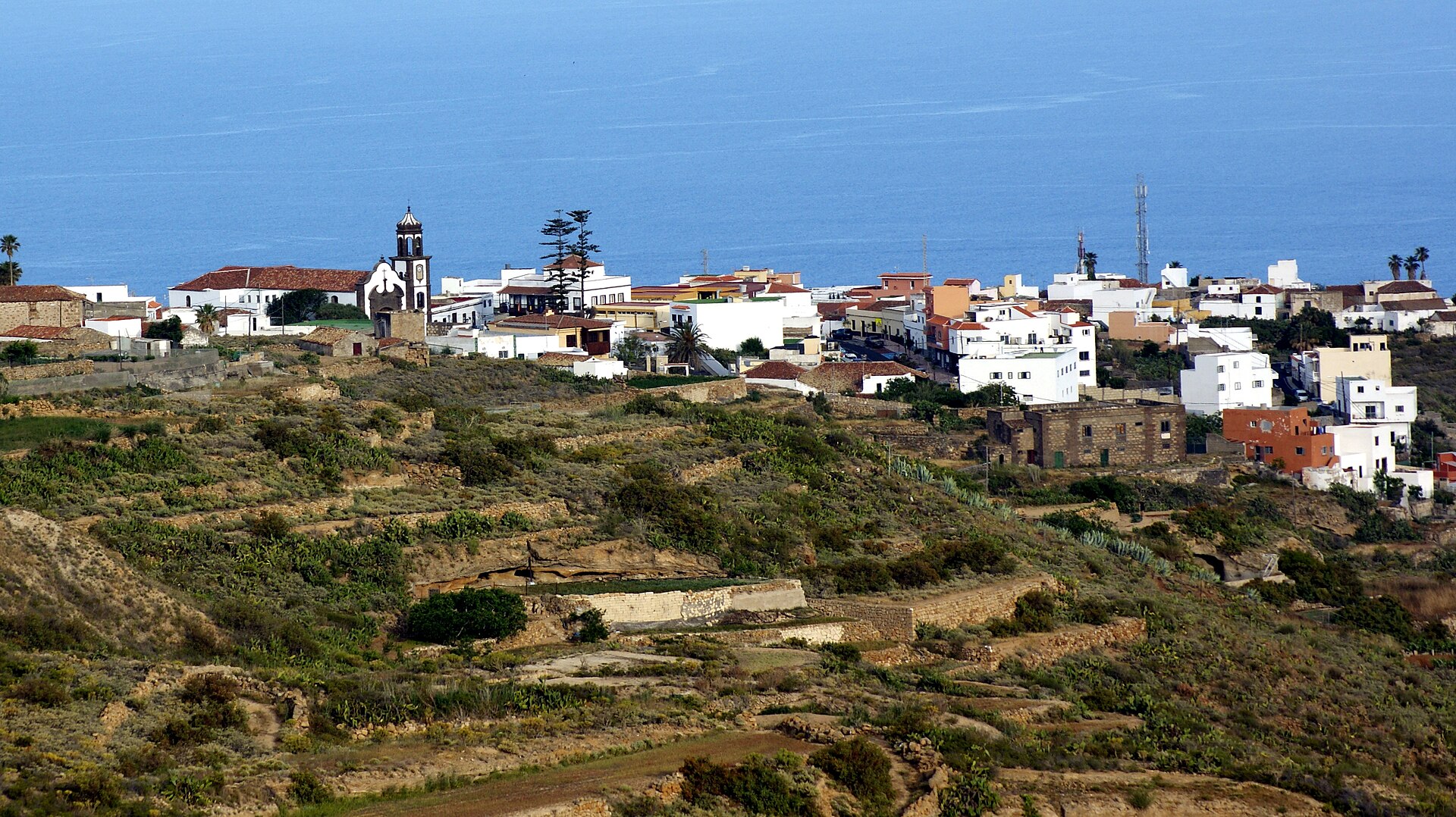
Arico Nuevo is one of the prettiest villages in the southeast of TenerifeDeclared a Historical Ensemble, retaining a traditional midlands architecture with aligned chasnera stone houses, inner courtyards, and a calmness that contrasts with the coast. Its streets invite slow walks, gazing at facades, and understanding what rural life in the south of the island was like before the highways.
On the other hand, Arico Viejo is the original historical core of the municipality and also one of the most charming spots in the southeast. It retains remnants of vernacular architecture and a well-preserved rural setting. Between both villages, the Villa de Arico is the municipal capital, where you will find the Iglesia de San Juan Bautista, a heritage building from the 17th century with a striking tower influenced by Portuguese colonial architecture.
Climbing in the ravines of Arico
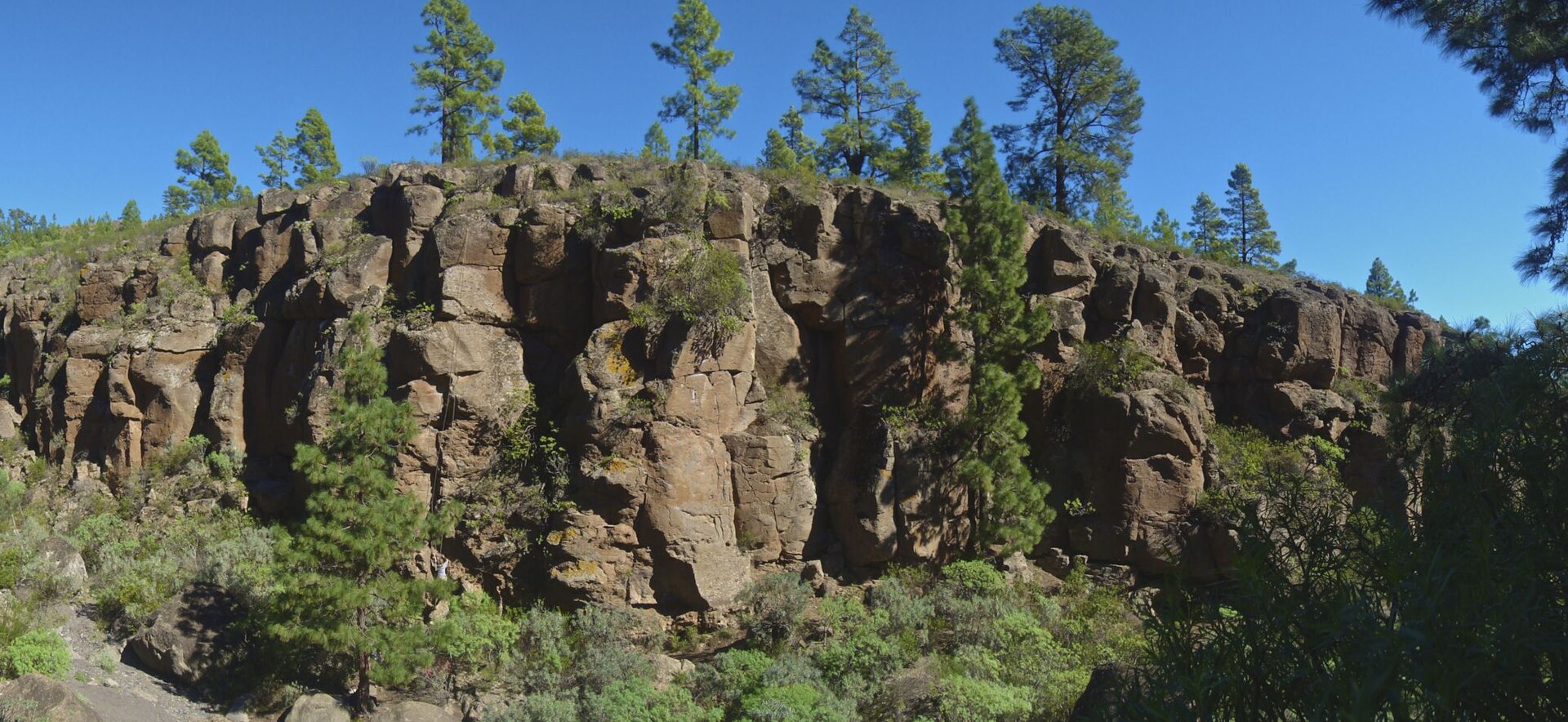
Arico is undoubtedly one of the most important climbing areas in Spain and an international benchmark for the sport. Its volcanic ignimbrite rock ravines host over 500 equipped routes of all levels, spread across various sectors throughout the municipality.
The Barranco de El Río is particularly valued for difficult climbing, as its walls present continuous and distinctive rock. Additionally, the Barranco de Ortiz is one of the best spots in Tenerife for bouldering. For all these reasons, climbers from all over Europe visit Arico during the winter months, taking advantage of the dry and sunny climate of the southeast of the island.
The coast: Tajao, El Porís, and Abades
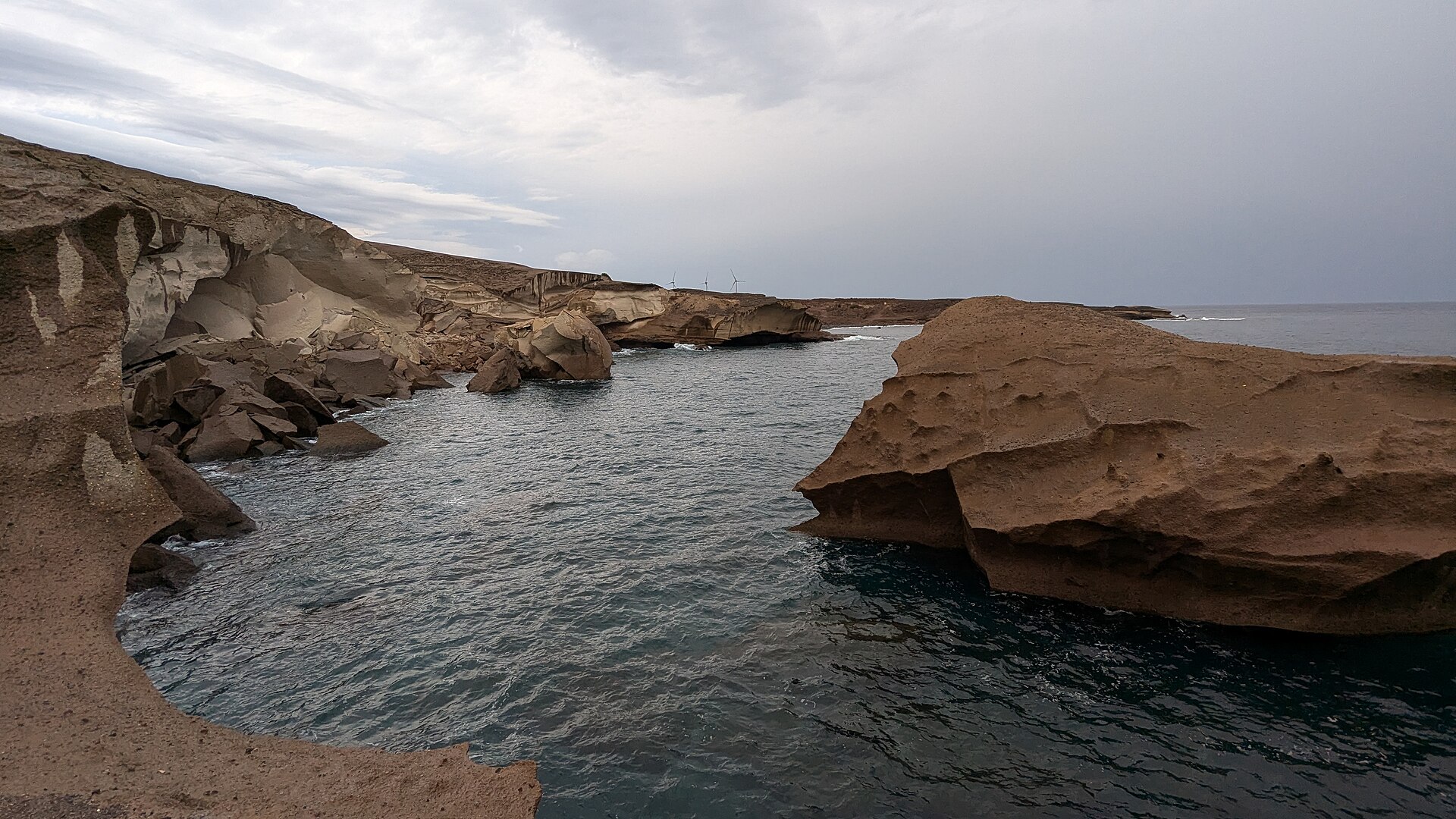
The coast of Arico has a tranquil and volcanic character very different from the large tourist areas in the south of Tenerife. San Miguel de Tajao is, for example, an almost obligatory gastronomic stop: its small fishing port directly supplies the village's restaurants, where fresh fish of the day is served with sea views. It is also one of the most authentic corners of the Tenerife coastline.
El Porís de Abona is a fishing enclave with small rocky beaches and a local atmosphere, next to the Punta de Abona, one of the most photographed spots in the southeast. On the other hand, Abades is a quieter coastal area, with coves suitable for swimming and an atmosphere more akin to a second home, away from mass tourism. The coastal path that connects Tajao with Abades is also one of the most interesting coastal walks in the municipality.
Hiking and natural heritage
The Camino Real de Arico is the most representative historical route of the municipality. Paved in some stretches, it connects various midlands settlements, overcoming significant elevation changes and traversing landscapes of cultivated terraces with vines, potatoes, and tomatoes. Furthermore, the path passes by Guanche archaeological sites that allow for a combination of hiking with the indigenous history of the island.
From the summits of the municipality, it is also possible to access the routes of the El Contador Recreational Area, in the pine forest, with shade and picnic tables. The contrast between the arid and sunny coast and the humid pine forest of the summits is one of the most particular features of Arico.
Gastronomy in Arico
The gastronomy of Arico combines products from the interior with fish and seafood from its ports. The municipality is recognized in Tenerife for the quality of its wines, produced in the midlands with grapes grown in stone terraces, and for its goat handcrafted goat cheese. In addition, the Canarian stew, the wrinkled potatoes with mojo and the traditional salted fish with chestnuts from Arico Viejo, a dish of intense flavor and rural history.
On the coast, the restaurants of Tajao serves vieja grilled, sancocho of fish and seafood of the day. Meanwhile, the taverns in the interior offer midlands cuisine with local products at very reasonable prices. It is, in short, an unpretentious and high-quality gastronomy.
How to get to Arico
Arico is in the southeast of Tenerife, between Fasnia and Granadilla de Abona, with direct access from the TF-1 highway. From the Tenerife South Airport it is about 20 minutes by car; from Santa Cruz de Tenerife, approximately 40 minutes. To visit the midlands villages and the coast in one day, a car is recommended, as the centers are dispersed and public transportation is limited. Also, check the live cameras in Tenerife to help you navigate the island.
Frequently asked questions about Arico Tenerife
Why is Arico famous for climbing?
The the ravines of Arico feature more than 500 equipped routes in volcanic ignimbrite rock, spread over several sectors. The Barranco de El Río is known for difficult climbing and the Barranco de Ortiz for bouldering. The dry and sunny climate of the southeast of Tenerife allows climbing year-round, making it a regular destination for European climbers in winter.
What to see in Arico Nuevo?
Arico Nuevo is a declared historical site with traditional Canary midlands architecture: chasnera stone houses, inner courtyards, and quiet streets. It is also the closest part of the municipality to the climbing areas and a good starting point to explore the interior of Arico.
What to eat in Tajao?
Tajao is a must-visit gastronomic stop in the southeast of Tenerife. Its restaurants serve fresh daily fish directly from the local port: vieja grilled, sancocho, cabrilla, and seafood. The atmosphere is local and tranquil, far removed from tourist areas in the south.
Are there beaches in Arico?
The municipality has a coastline of volcanic coves and rocky beaches. Notable spots include the bathing area of El Porís de Abona, the coves of Abades and the surroundings of the port of Tajao. They are not fine sandy beaches but volcanic environments with clear waters and a calm atmosphere.
What is the Camino Real de Arico?
It is a historical route with cobblestone sections that connects various midlands settlements in the municipality. Formerly the access road to the farmland, today it allows you to explore the rural landscape of Arico alongside Guanche archaeological sites and cultivated terraces.
When is the best time to visit Arico for climbing?
Of From October to April is the best time, with dry days and pleasant temperatures in the ravines. In summer, the heat can be intense on the wall during the central hours of the day, although mornings and afternoons remain suitable.