
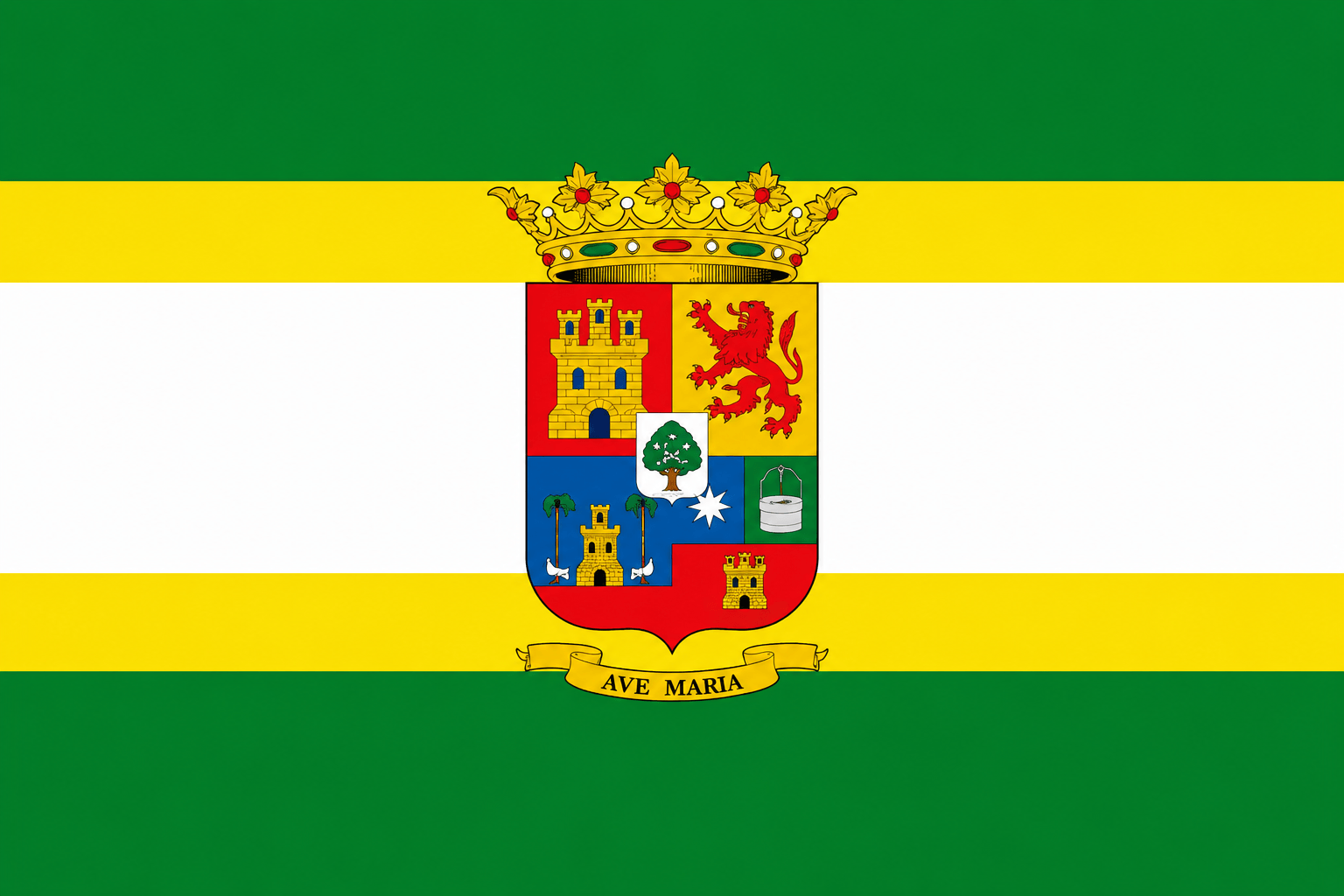
What to see in Teror, Gran Canaria
Basílica del Pino and wooden balconies
Teror Gran Canaria, the Marian Villa and spiritual capital of the island
Teror is the most important municipality in the interior northern part of Gran Canaria from a religious, historical, and cultural perspective. Its origin is directly tied to the appearance of the Virgin of the Pino the September 8th, 1481, when according to tradition, some shepherds found her atop a Canary pine. Since then, Teror it has become the main pilgrimage site on the island and was declared Marian Villa in the late 16th century. Today, the municipality attracts tens of thousands of visitors each year drawn by its Basilica, its historical center of wooden balconies, and its Sunday market. Consult the webcams of Gran Canaria and check the weather before visiting.
The Basilica of Our Lady of the Pino
The Basilica of Our Lady of the Pino is the most important monument of Teror and the most venerated Marian temple of Canary Islands. The original parish was founded in 1505 and the current neoclassical building was constructed between 1760 and 1767. In 1914 the Virgin of the Pino was proclaimed patroness of the Diocese of the Canary Islands and in 1916 the Holy See granted the temple the title of Minor Basilica — the first of Canary Islands to receive it. It was declared Cultural Heritage of Interest in 1977.
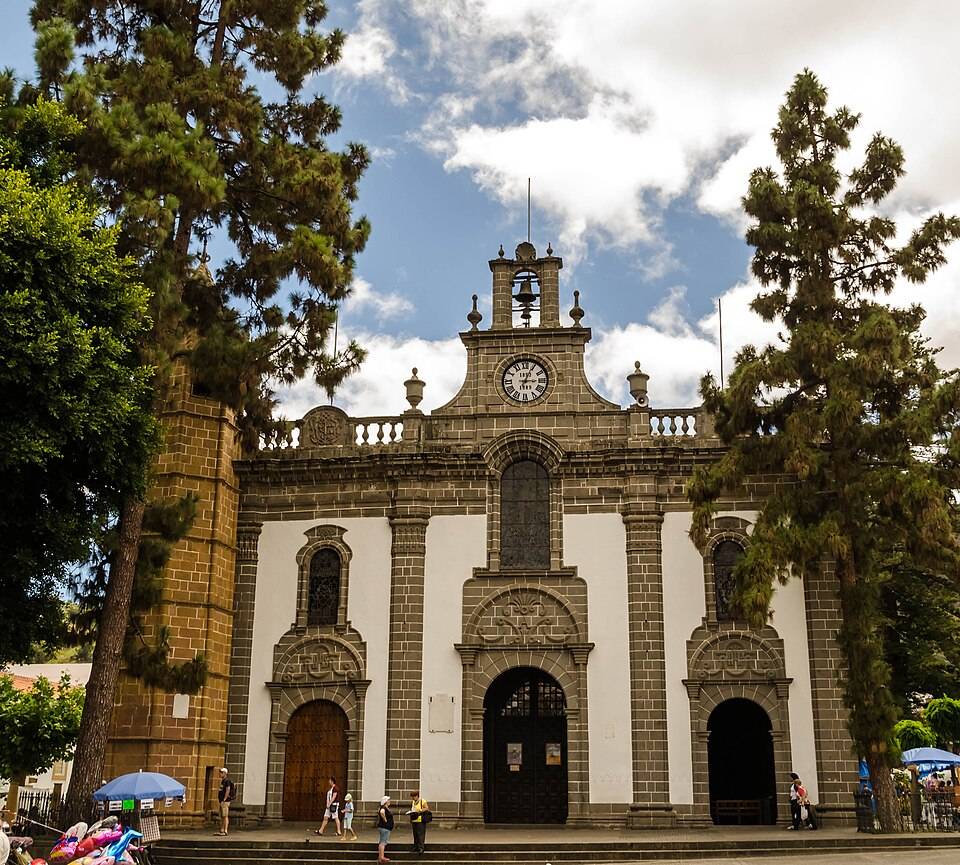
Inside, the image of the Virgin of the Pino, dated to the 15th century and considered the most valuable piece in the temple, stands out. The tradition of dressing her in jewels and embroidered outfits dates back to the 16th century and the Camarín, at the back of the main altar, houses a collection of dresses and ornaments donated by the faithful over the centuries. The basilica also features altarpieces, stained glass depicting scenes of the Rosary, and a very distinctive lighthouse-shaped dome. Visiting hours vary by day; the Museum of the Virgin's Patrons, in a historic house next to the basilica, is open from Tuesday to Friday from 10:00 to 14:00 with an entrance fee of 2 euros.
The historical center and Calle Real
The Historic Center of Teror was declared Historical-Artistic Ensemble in 1979 and is one of the most complete in the north of Gran Canaria. Its most representative street is the Calle Real de la Plaza, pedestrian and cobbled, lined with 18th and 19th-century houses with the most photographed wooden balconies on the island. For five centuries, it was the commercial, social, and religious axis of the municipality and today retains shops, bars, and the atmosphere that has made it famous.
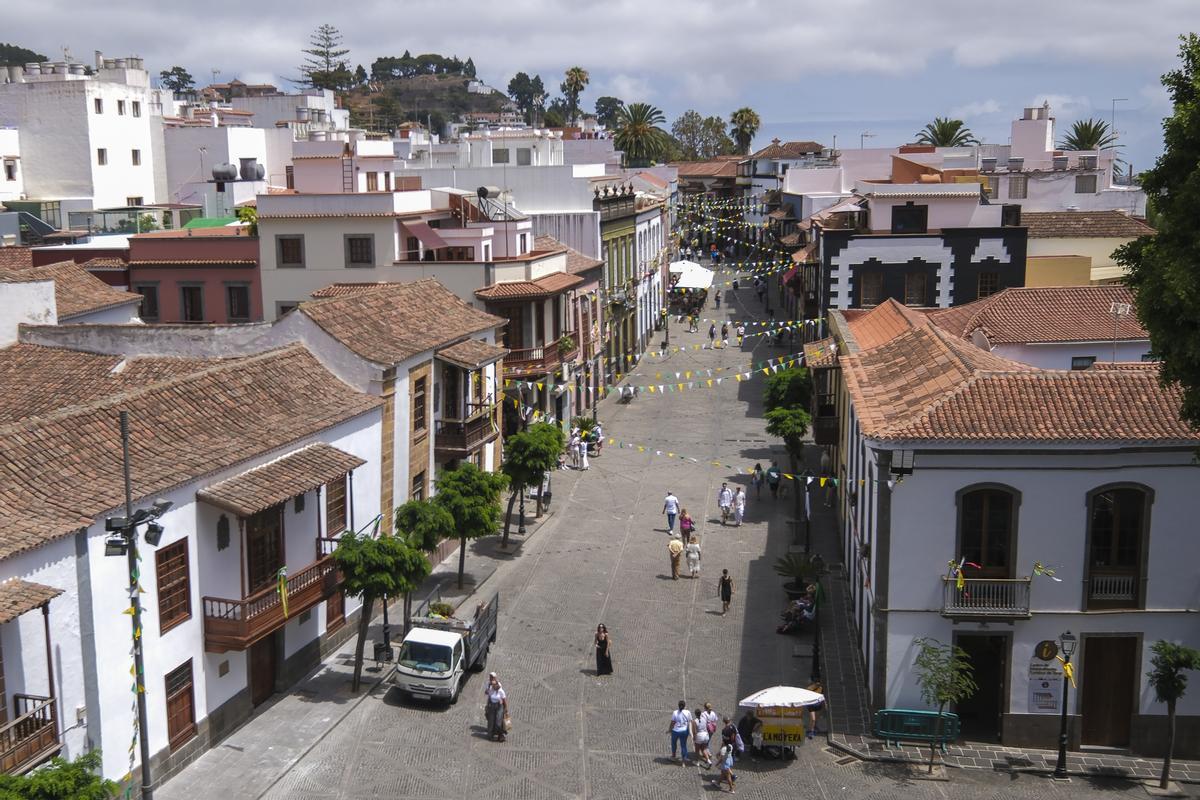
Around the Plaza de Nuestra Señora del Pino are the most notable buildings: the Basilica, the Episcopal Palace — built with leftover materials from the basilica itself —, the Town Hall, the House-Museum of the Virgin's Patrons and the Cistercian MonasteryThe Plaza Teresa de Bolívar and the Alameda of Plaza Pío XII are gathering and resting spaces for the town. The Fountain Agria, less than a kilometer from the center, was for centuries the water supply for the municipality and still retains its original stone portico.
The Sunday market and the chorizos of Teror
Each Sunday morning, the Calle Real and the surroundings of the Basilica are filled with one of the busiest markets in Gran Canaria. Crafts, local products, flowers, fruits, and, above all, the famous chorizos of Teror are the main attractions. The chorizo of Teror is a highly aromatic semi-liquid pork sausage, handmade in three varieties — sweet, mild, and spicy — that is spread on bread and is one of the most sought-after products by visitors to the island. Buying it directly from the producers at the Sunday market is the best way to bring it home fresh.
The Finca de Osorio and the Doramas Rural Park
Just a few kilometers from the center, the Finca de Osorio is a historic 19th-century property of 204 hectares currently managed by the Cabildo of Gran Canaria. Its pine forests, laurisilva, and chestnut trees coexist with trees introduced in the 19th century such as oaks, eastern bananas, and araucarias, creating a uniquely styled forest. Within the estate, the Nature Classroom offers environmental education and hiking activities. Additionally, the viewpoint of the estate allows for a panoramic view of the Doramas Rural Park and nearby municipalities.
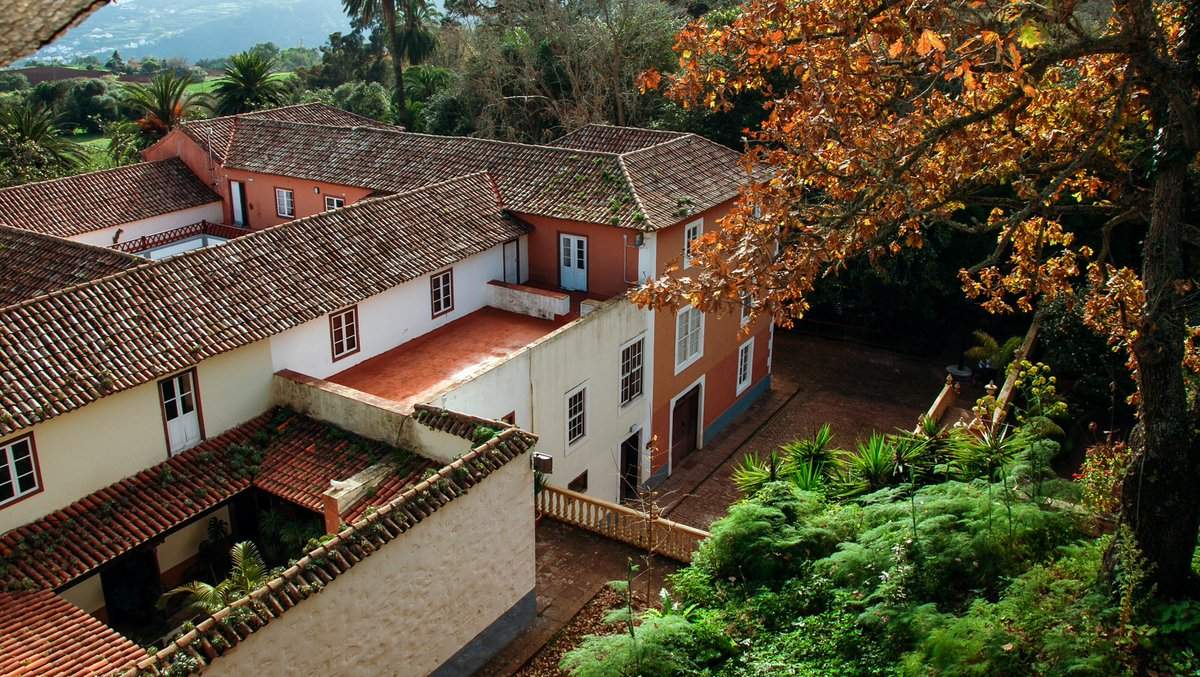
The estate also houses a forestry nursery specialized in the reproduction of laurisilva species, making it a key point for the recovery of the native forest in the north of Gran Canaria.
Gastronomy in Teror
Besides the chorizos, the cuisine of Teror offers a highly appreciated interior Canarian culinary proposal. The restaurants in the municipality serve wrinkled potatoes with mojo, vegetable stews, grilled meats, and artisan cheeses. Local pastries are also well recognized: the quesadillas and the bizcochones are the most sought-after sweets. On the other hand, the products from the Fountain Agria — the natural carbonated waters of the ravine — have been famous for their medicinal properties for centuries and today can be tasted at the fountain during visits to the municipality.
How to get to Teror
Teror is about 21 kilometers of Las Palmas de Gran Canaria via the GC-21 road (approximately 25-30 minutes by car). From the Gran Canaria airport it is about 35 kilometers and 40 minutes. By public transport, the line 216 Global connects Las Palmas with Teror with frequent departures throughout the day. For the Sunday market, it is recommended to arrive early because parking fills up. Check also the map of the municipalities of Gran Canaria to help you navigate the island.
Frequently asked questions about Teror Gran Canaria
Who is the Virgin of the Pino of Teror?
The Virgin of the Pino is the patroness of the Diocese of the Canary Islands, venerated in the Basilica of Teror. According to tradition, she appeared on September 8th, 1481 atop a Canary pine. Her image, dated to the 15th century, is preserved in the basilica, dressed in jewels and embroidered clothes donated by the faithful over the centuries.
When is the feast of the Virgin of the Pino?
The main festivity is celebrated on September 8th each year, a date that commemorates the Virgin's appearance in 1481. Thousands of pilgrims arrive on foot from various points of Gran Canaria the night before. It is the most attended religious celebration on the island.
When is the Teror market?
The market of Teror takes place every Sundays in the morning in the Calle Real and around the Basilica. It is one of the most popular markets in Gran Canaria and the best place to buy the famous chorizos of Teror directly from the producers.
What are Teror chorizos?
They are a semi-liquid pork sausage handmade in three varieties: sweet, mild, and spicy. They are spread on bread and are one of the most representative gastronomic products of Gran Canaria. On weekends, they can be bought at the Sunday market directly from the municipal producers.
What is the Finca de Osorio?
It is a historic 19th-century estate of 204 hectares, owned by the Cabildo of Gran Canaria, with laurisilva, pine forests, and 19th-century trees. It is part of the Doramas Rural Park and offers trails, a nature classroom, and a nursery of native species. It is a few kilometers from the historical center of Teror.
How to get to Teror from Las Palmas de Gran Canaria?
It is about 21 kilometers via the GC-21, taking about 25 to 30 minutes by car. By bus, the line 216 Global connects Las Palmas with Teror with frequent departures throughout the day. For the Sunday market, it is advisable to arrive before 10:00 to find parking.