
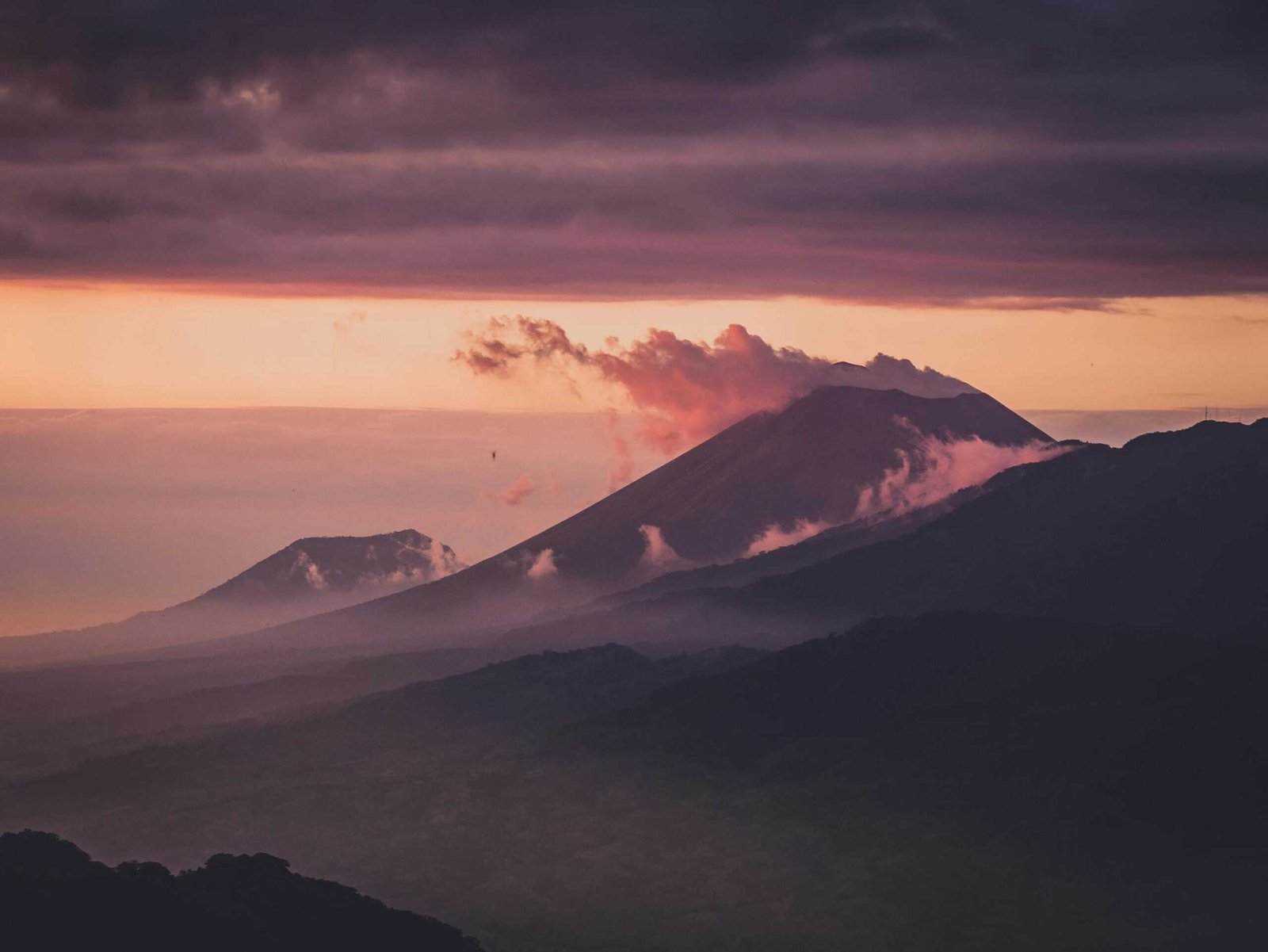
The 'Nublado' in Tenerife: Mysteries, Legends, and Climate of Teide
The first time I heard the word cloudy in Tenerife, I didn’t think of a weather report. It sounded like an omen. A sky that closes over the Teide while the whole island holds its breath. That gray veil creeping up the mountain has been, for centuries, the backdrop of a very old story: the struggle between light and shadow over the sacred volcano.
Cloudy: more than just a state of the sky
In everyday language, cloudy in Tenerife it refers to a covered sky, but here that word carries an ancestral meaning. For the Guanches, when the summit was shrouded in dense clouds, something more than water was at stake. That mantle was read as a sign of unrest in Echeyde —the aboriginal name of Teide and synonymous with hell.
Echeyde: the home of Guayota
According to tradition, Guayota, spirit of fire and chaos, dwelled in the bowels of the volcano. When the sky would darken and the sun would disappear, the Guanches believed that Guayota had captured Magec (the sun) and held it prisoner. The sudden darkness was a cosmic warning.
But the story has a luminous ending: Achamán, the supreme god, intervened. He freed Magec, the clouds receded, and order returned. This narrative not only explains an atmospheric phenomenon but also reinforces the social and spiritual cohesion of the community.
Rituals in the face of cloudiness
- Ritual bonfires: columns of light to confuse Guayota.
- Offerings to Magec: gratitude for the return of the sun.
- Avoiding the summit: active respect for Echeyde during the cloud cover.
- Community vigils: collective observation of the sky and nature.
Myth and science: two ways of understanding clouds
Today we know that the cloudy in Tenerife is due to the trade winds, thermal inversion, and the famous sea of clouds that accumulates in the north. The lenticular clouds over Teide, or Sahara dust on days of calima, explain much of the phenomenon.
But the amazing thing is that mythology does not contradict science: it complements it. The Guanches, without satellites or weather stations, developed an empirical and symbolic reading of the climate that still inspires respect and admiration today.
Cloudy as cultural identity
In the digital age, the cloudy in Tenerife remains a living metaphor: of uncertainty, of transition, of dramatic beauty. Visitor centers of the Teide National Park, local guides, and educational proposals use this legend to connect science, nature, and heritage.
Because Teide is not just rock and lava. It is memory. It is narrative. It is a place where the sky still speaks.
Table: Myth and nature in dialogue
| Mythical element | Natural phenomenon and cultural reading |
|---|---|
| Guayota traps Magec | Sudden darkening, low sky over Teide |
| Achamán releases the sun | Dispersion of clouds, atmospheric clarity |
| Clouds with strange shapes | Omens, collective vigilance, messages from the volcano |
| Bonfires on the mountain | Symbolic and communal action in the face of fear |
Tips for observing cloudiness with meaning
- Visit Izaña or the Mirador de La Tarta to see the sea of clouds from above.
- Look for lenticular clouds: they indicate high winds and are visually spectacular.
- Listen to the silence: the cloud cover changes the acoustics of the landscape.
- The legend tells the children: it transforms nature into narrative experience.
The cloudy in Tenerife it is not an obstacle: it is an invitation to look deeper. To remember that, even in the age of data, there are phenomena that only poetry and tradition can name justly.