

History of the San Sebastián festivities in Adeje
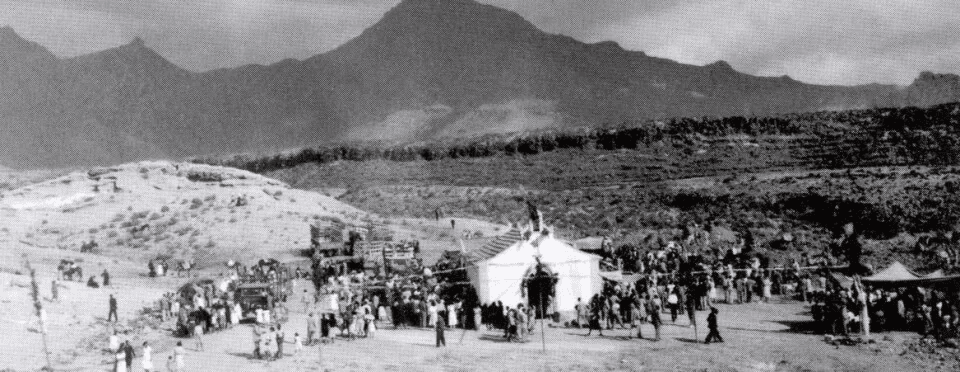
the San Sebastián festivals in Adeje
The San Sebastián festivals in Adeje have their roots in the 18th century. They began in an ancient place of worship prior to the Conquest of the Canary Islands and have changed over time, adapting to the society and surroundings where they are celebrated.
Since its beginnings, this festival has been closely linked to the countryside, animals, and rural work. Farmers and ranchers from all over the island, especially from the south, have adopted the celebration as their own. Today, it remains an important event for the local community. Every January 20th, the image of the saint goes in procession to the beach of La Caleta, next to his chapel, where horses, goats, dogs, and other animals bathe in the sea to receive the blessing.
A key piece of these festivities is the image of the saint. It was brought by the parish priest Eulogio Gutiérrez Estévez, who was born in Icod de los Vinos and led the parish of Adeje for 17 years. The current sculpture arrived in 1916 and has been over one hundred years since then.
San Sebastián of Adeje is highly revered. Many people come to him to ask for favors, fulfill promises, or even seek healing. Several miracles are attributed to him throughout his history.
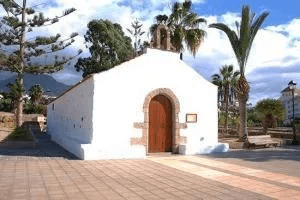
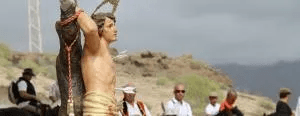
A crucial moment was on January 20, 1916, when the new image of the saint, created by the Casa Birillo of Valencia, was carried in procession from the main church to the hermitage dedicated to the saint. A solemn mass was celebrated there, as reported by the Gaceta de Tenerife, followed by a large public festival.
The procession reached the beach with over one hundred camels and pack animals. More than 2,000 people attended, marking a milestone in the history of the celebration.
If you want to learn more about Canarian traditions, you can visit this article on popular festivals of Tenerife .
In summary, the history of the San Sebastián festivals in Adeje reflects the cultural and religious evolution of the area. It is a celebration rich in tradition, faith, and community. You can see the coast of Adeje live with our webcams of Costa Adeje.