
Gran Canaria and the winter solstice of the Canarian aborigines.
Winter solstice of the Canarian aborigines
The Canary Aborigines and the Sky
The ancient Canarians were great observers of the sky. They tracked the sun's movement throughout the year to organize their calendar, sowing, harvesting, and grazing. The archaeoastronomy studies of the Institute of Astrophysics of the Canary Islands have identified numerous sites on the islands oriented towards the sunrise or sunset on key dates.
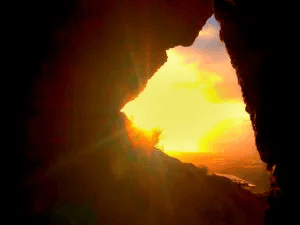
In that calendar, the solstices extremes of the sun's path on the horizon were marked, and the equinoxes, the midpoint. On the winter solstice, the shortest day of the year, the sun rises at its southernmost point and seems to pause for a few days before moving north again.
The Bentayga, a marker of the solstice
In Gran Canaria, one of the most well-known examples can be seen from the Mesa de Acusa, in Artenara: on winter solstice days, the sun rises just behind the Roque Bentayga, a sacred mountain for the ancient Canarians, where an almogarén or place of worship is preserved.
Risco Caído, a calendar in the rock
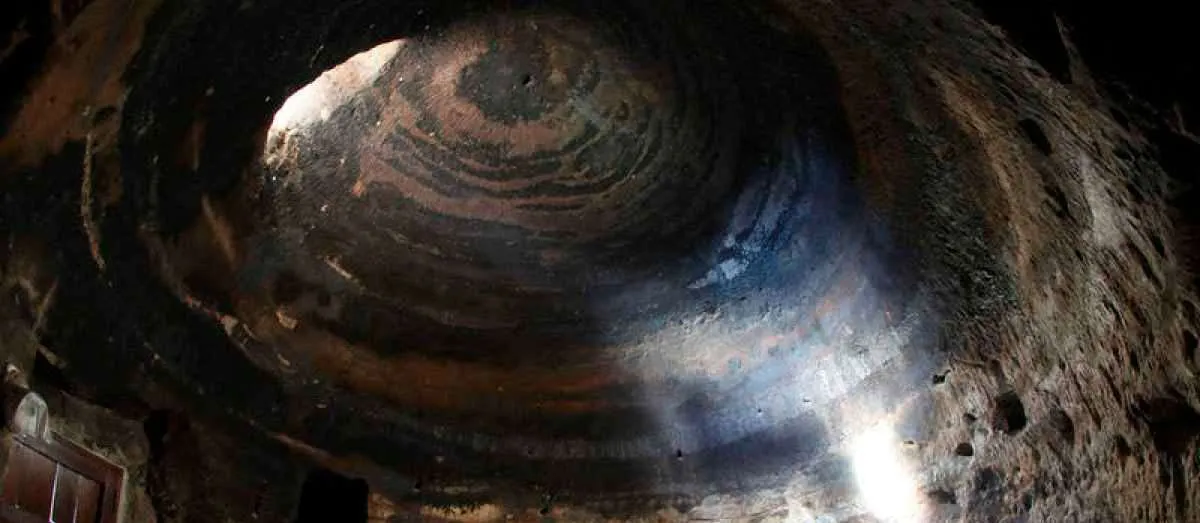
Also in Artenara is Risco Caído, a UNESCO World Heritage site since 2019. In its main cave, sunlight enters through an opening in the dome and projects patches of light onto the wall engravings from the spring equinox to the autumn equinox, like an authentic solar calendar.
A Mother Goddess
The fertility of the land and the renewal of life were central themes of the aboriginal beliefs. In Tenerife, the Guanches revered Chaxiraxi, a mother goddess who, after the conquest, became associated with the Virgin of Candelaria. In Gran Canaria, numerous female clay idols related to fertility worship have been found.
If you want to see the island's peaks live, take a look at our Tejeda webcams and the rest of webcams of Gran Canaria.