
The Nazism That No One Knows
Canaries in World War II
The Strategic Role of the Canary Islands in World War II
A Conference Full of History and Solidarity Current
ABIC organized an evening rich in history in early 2020. The meeting was part of its series of solidarity days. The Charitable Association holds these events at the Cultural Center of Los Cristianos.
This time it was the turn of Professor Felipe Botaya. The writer presented a novel and interesting topic: the role of the Canary Islands during World War II. Botaya is a historian and blogger specialized in the two World Wars (felipebotaya.com).
He took the opportunity to present his latest work, Porta Stellae, to analyze the strategic importance of the Canaries. He also shared some curiosities that invite discovery in his book.
Himmler and His Journey Through Spain: Mystery and Historical Contradictions
What relationship exists between the strategic importance of the Canaries and Heinrich Himmler's trip to Spain in October 1940?
What was Himmler looking for at the Monastery of Montserrat on October 23 of that year? On the same day, Hitler was meeting with Franco in Hendaya.
Official historiography maintains that the monks received Himmler with extreme coldness, even with ostentation. However, available images seem to show the opposite. According to Botaya, Himmler intended to actively involve the Archipelago in the European conflict, which had begun about a year earlier.
Canary Islands: A Strategic Role and a Key Position in the Global Geopolitical Map
The proximity of the Canary Islands to Africa has always sparked the interest of numerous nations. France, for example, would have wanted to use them as a bridgehead towards its northern African colonies. England also used them during the war against the Boers.
Spain has always maintained logistical bases on the islands. However, the German case is particularly interesting and well-documented. Since the 19th century, Germany used the Canaries as a base for expanding into the African continent.
Its ports played an important role in this strategy. Among them, the Port of La Luz in Gran Canaria and Santa Cruz in Tenerife stood out. Both hosted German warships and tourist liners, especially from 1939 onwards.
Villa Winter: An Enigmatic Enclave in Fuerteventura
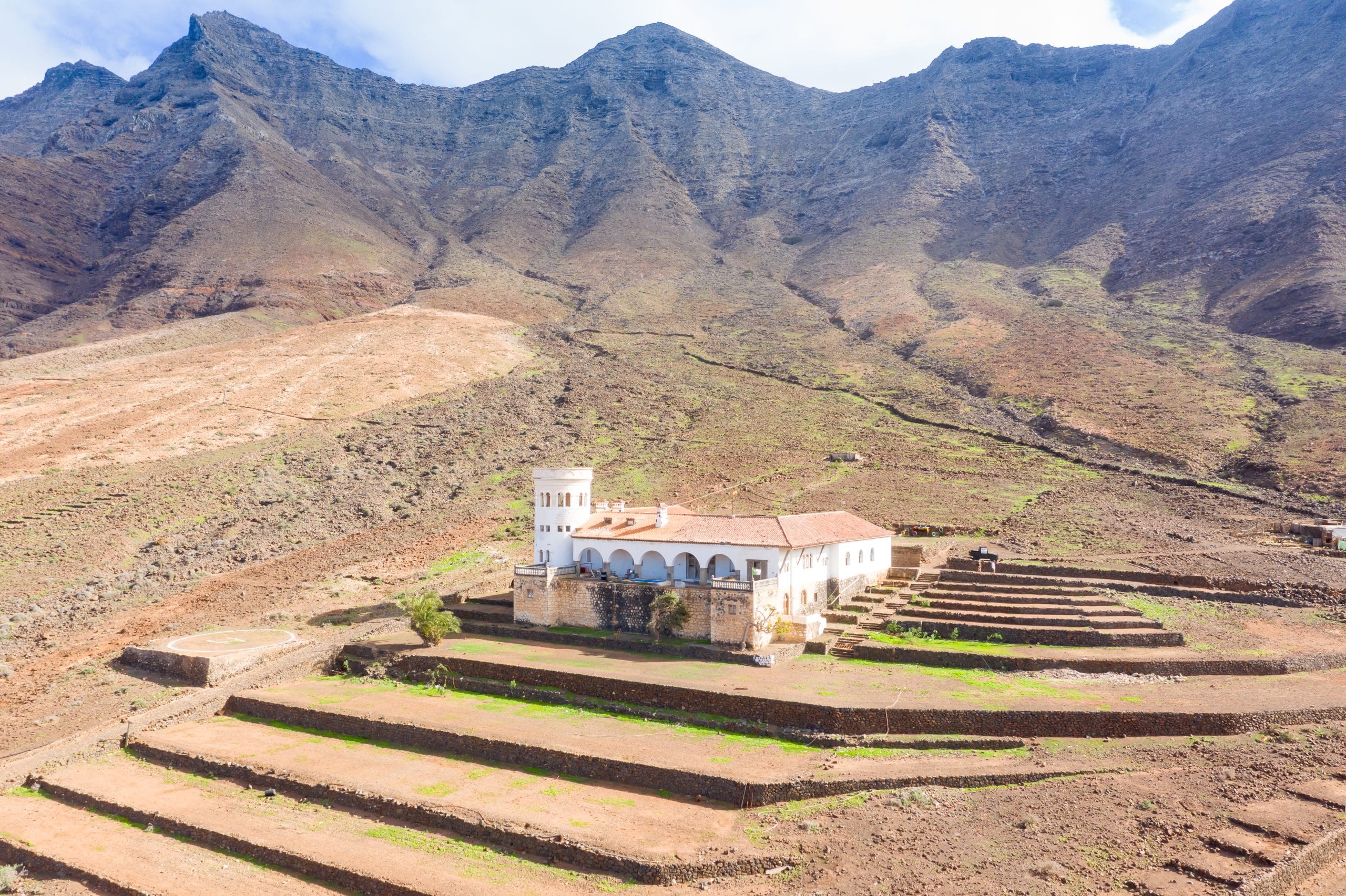
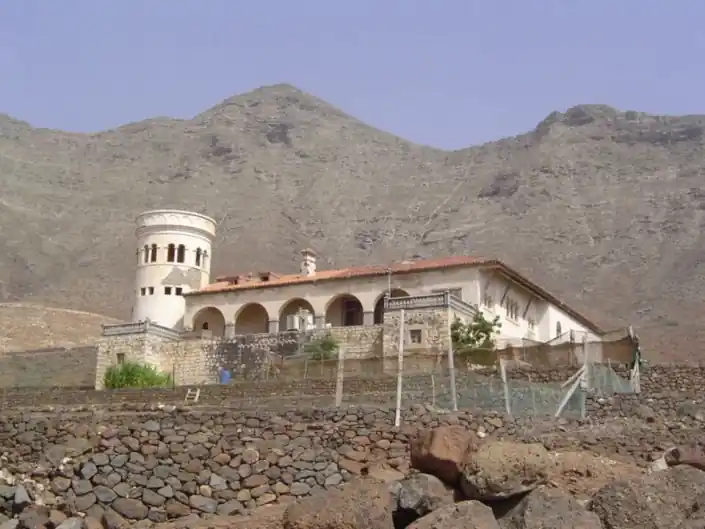
To understand the importance of the Canaries for the Reich, it is useful to examine the case of Villa Winter. This mysterious mansion is located in Cofete, Fuerteventura. It was built by the German engineer Gustav Winter. According to official documentation, construction began after the war, starting in 1946. However, the building has given rise to numerous theories.
According to Botaya, the villa may have served as a German weather station. It could also have allowed monitoring of the passage of ships and planes. Another possible function could be as a logistics support center.
Botaya mentions various bases that could have been part of that network. Among them are Greenland, Labrador, Argentina, Brazil, Antarctica, and Spitzbergen. According to his interpretation, Germany would have used these enclaves to gather information and organize its military operations.
None of these hypotheses have been proven. Nevertheless, Villa Winter it remains surrounded by legends. Rumors about tunnels and hidden structures have contributed to feeding its mystery.
Porta Stellae: a title full of historical symbolism
Porta Stellae is the sixth book by Botaya dedicated to World War II. The work explores its most mysterious, technological, and inexplicable aspects. The title comes from an expression found in ancient manuscripts from the Monastery of Montserrat.
The expression Porta Stellae refers to the beauty of the monastery and its proximity to heaven. It also references the Moreneta, the wooden image of the Virgin dating from the 12th century.
A touching encounter between history and personal memory
At the end of the presentation, the audience raised numerous questions and interventions. One of the most notable was from the nephew of Father Andrés Ripoll Noble. This Benedictine monk received Himmler in Montserrat on October 23, 1940. He was the only member of the congregation who spoke German.
That testimony turned the conference into a more personal experience. History ceased to be a distant lesson and came closer to a real life and its memories.
History and solidarity: an inseparable binomial
After the conference, participants shared dinner with the organizers. The proceeds helped support ABIC's work and its solidarity initiatives.
The association raises funds to assist needy students from schools in southern Tenerife. Its contributions cover lunches, books, educational materials, and other essential resources for their education.