
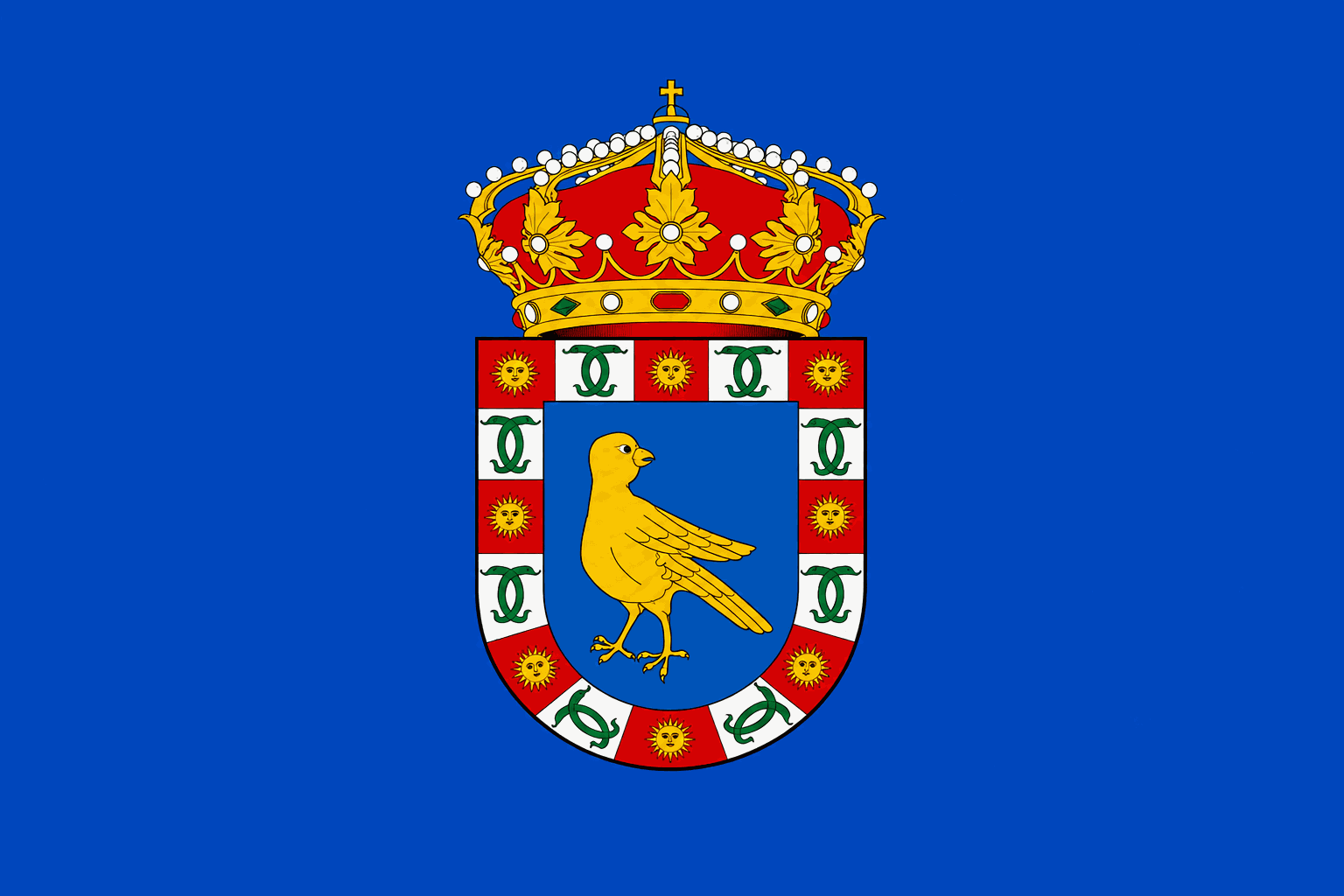
Live webcams in Pájara, Fuerteventura
Morro Jable, Cofete and the beaches of Jandía
Pájara Fuerteventura, the largest municipality on the island
Pájara is the largest municipality in Fuerteventura and of all Canary Islands, covering 383 square kilometers from the interior of the island to the peninsula of Jandía, in the south. Its territory is home to some of the most spectacular beaches in Spain, the only natural park in Fuerteventura and a historic center featuring a church with a unique facade in the archipelago. Additionally, its 150 kilometers of coastline make it the municipality with the most shoreline in Spain. You can check the live cameras of Fuerteventura to see the sea conditions before visiting its beaches.
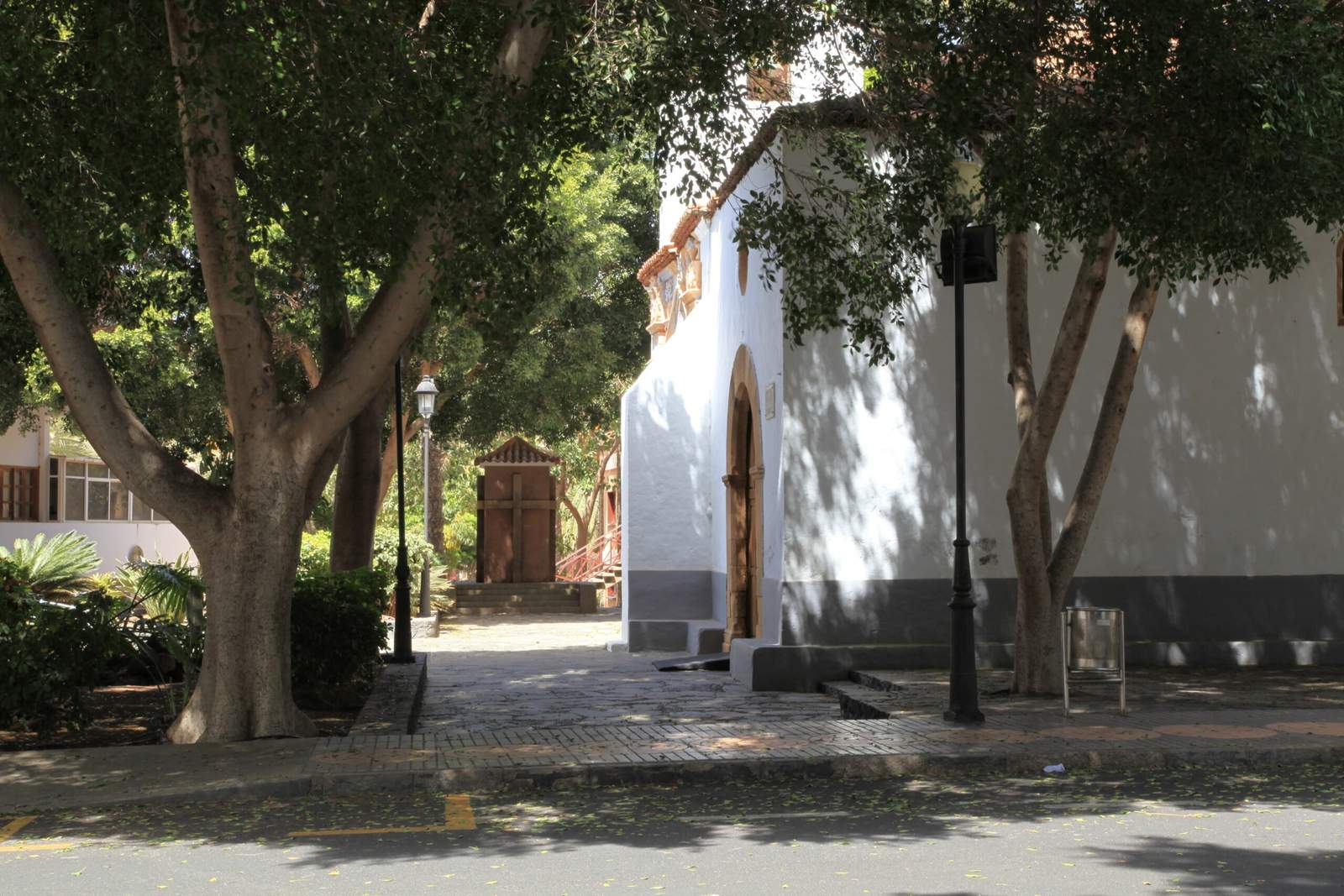
The historic center of Pájara
The town of Pájara, nestled in the interior of the peninsula of Jandía, retains the calm and authentic essence of the majorero interior. Its cobblestone streets, white houses with volcanic stone details, and the square in front of the town hall create an ambiance reminiscent of the Fuerteventura before mass tourism.
The most unique monument in the municipality is the Church of Our Lady of Regla, whose first nave was built before 1687. However, its facade is what makes it unique in Canary Islands: the decorative elements of Aztec influence carved into the entrance are a very rare case in Spain and make the church an architectural gem difficult to find anywhere else in the archipelago. It was declared Cultural Heritage of Interest in 1986. Moreover, the temperate climate of the interior makes the village a particularly pleasant place to visit at any time of year.
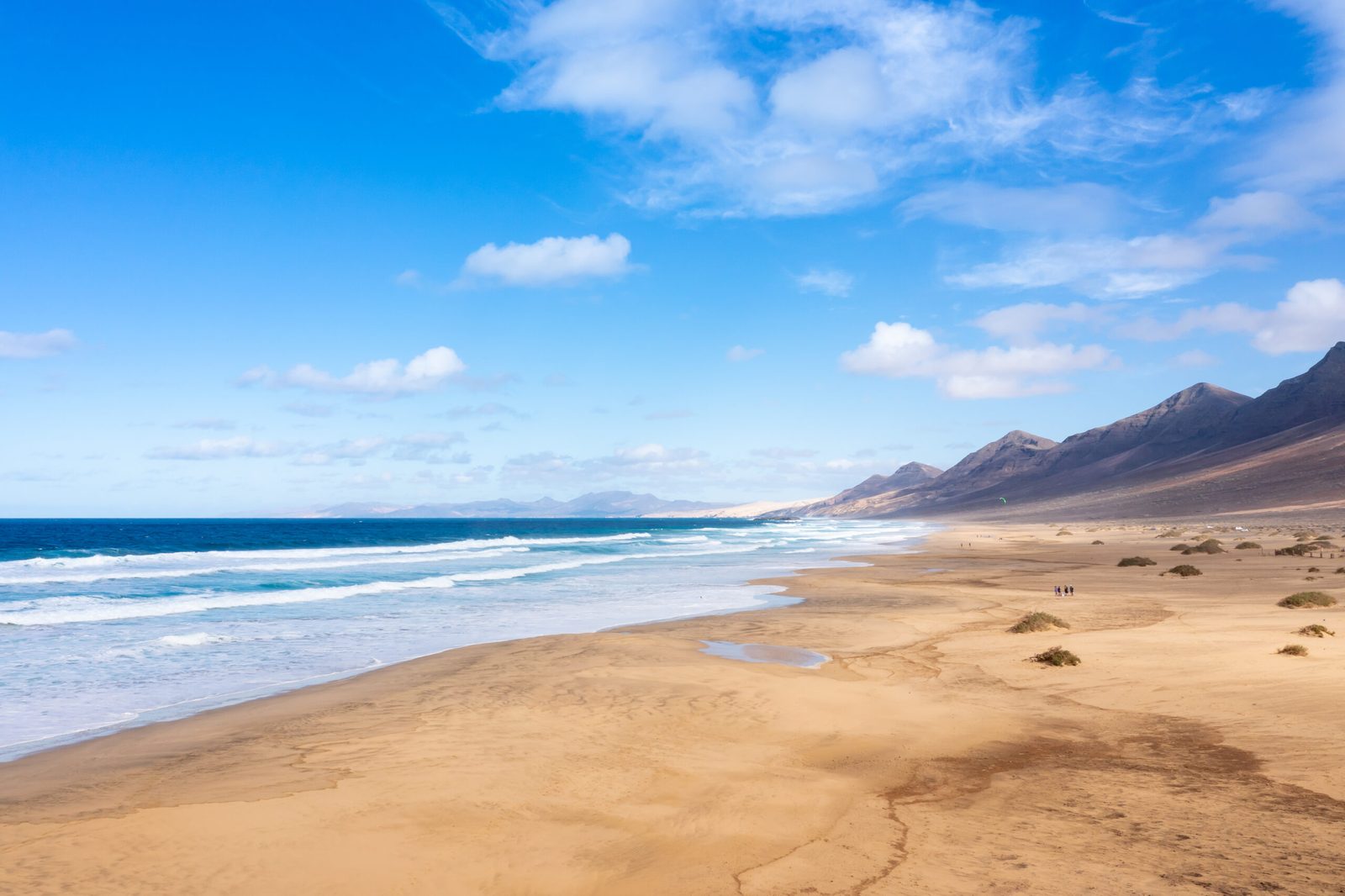
Cofete Beach
The Cofete Beach is, for many, the most impressive beach in Fuerteventura and one of the most spectacular in Spain. Kilometers of golden sand at the foot of the rugged mountains of the Sierra de Jandía, undeveloped and practically without services. Thus, it retains a wild beauty that few beaches in the country can match. Access is via a dirt track that requires a four-wheel drive, limiting the number of visitors and preserving its virgin character.
Next to the beach are the ruins of the mysterious Villa Winter, a mansion built in the 1940s whose history is surrounded by legend. Additionally, during the nesting season, the area hosts sea turtles on its shores.
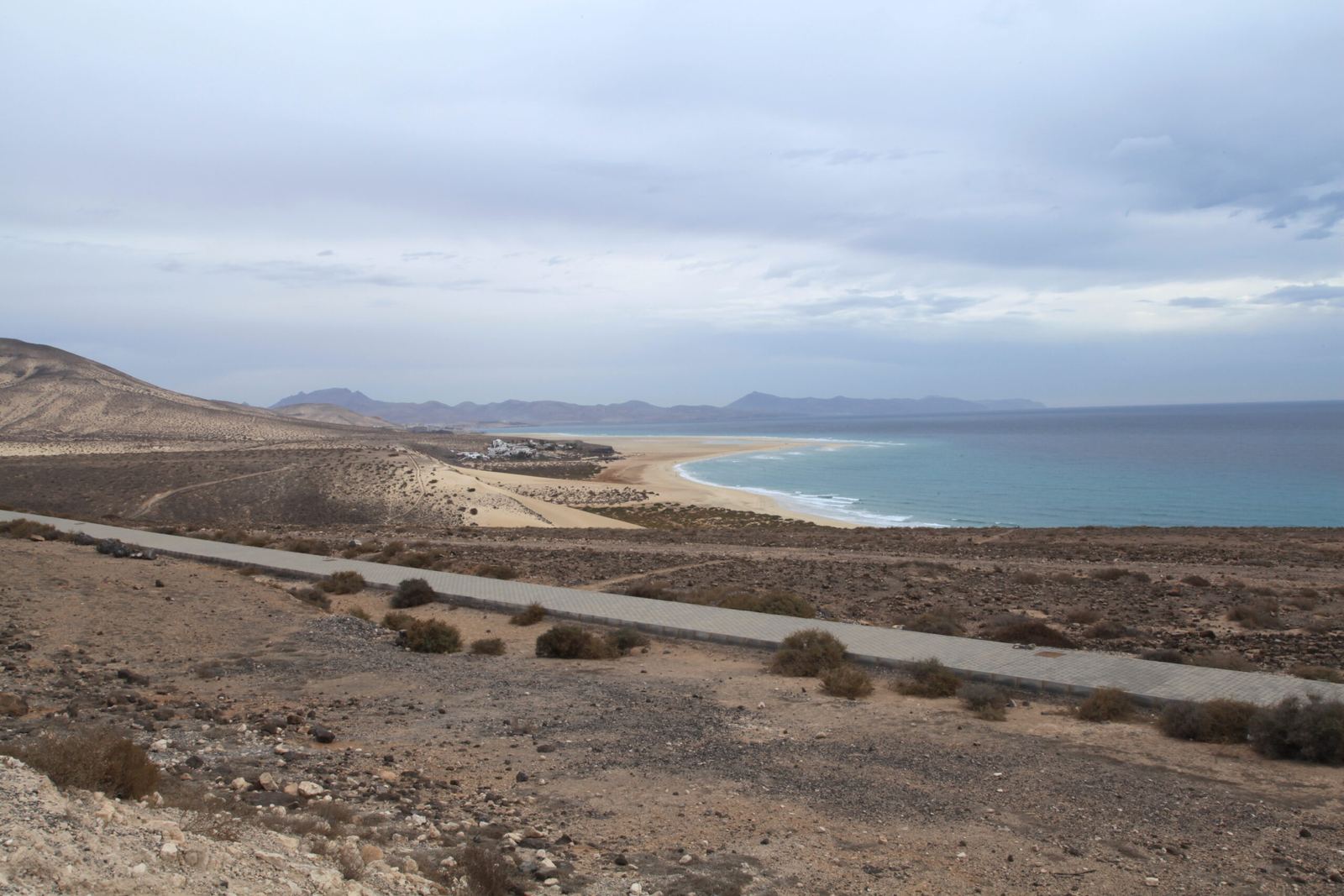
Sotavento and Costa Calma Beaches
The Sotavento Beaches are the other major coastal attraction of the municipality and, on the other hand, offer a very different experience from Cofete. Their turquoise and emerald green waters, the lagoons formed by the tides, and the white sand make them one of the most photographed landscapes of Canary Islands. They also host the World Windsurfing and Kitesurfing Championship, placing them among the best beaches in the world for these sports.
Costa Calma, north of Sotavento, is the most orderly tourist area of the municipality, with hotels, apartments, and a family atmosphere. Meanwhile, Morro Jable, at the southern tip of the peninsula, retains an old fishing quarter alongside the modern tourist area and offers one of the longest and best-equipped beaches on the island: the Matorral Beach, with four kilometers of sand and Blue Flag.
Jandía Natural Park
The Jandía Natural Park covers much of the peninsula and is the only natural park in Fuerteventura. Its 220 square kilometers protect one of the most pristine coastal and mountainous regions of the archipelago. Within its borders, one can climb to the Pico de la Zarza, at 807 meters the highest point on the island, from which the views encompass the entire peninsula and the ocean on both coasts.
The park also protects endemic Canary flora and is home to seabirds and native reptiles. Therefore, the marked trails allow you to explore the interior of the peninsula with a level of nature that contrasts radically with the tourist areas on the east coast.
Gastronomy in Pájara
The gastronomy of Pájara combines the flavors of the majorero interior with the fresh fish from its ports. The majorero cheese with Appellation of Origin, made from majorero goat milk, is the star product of the municipality. It is offered fresh, semi-cured, or cured, sometimes with paprika or gofio, and is internationally recognized as one of the best cheeses from Spain.
. In the municipality's restaurants, the fish sancocho, the grilled vieja, the wreckfish and the limpets is a must-try, as well as the wrinkled potatoes with red or green mojo are essential, along with the watercress stews and the Canary puchero. In the fishing ports of Ajuy, La Lajita and Morro Jable you can eat freshly caught fish from the market.
How to get to Pájara
The town of Pájara is about 50-60 minutes by car from the Fuerteventura Airport via the FV-2 heading south. Morro Jable and Costa Calma are the most accessible towns in the municipality from the airport, with direct connection via FV-2. To reach the Cofete Beach a four-wheel drive vehicle is required due to the dirt track from the village of Cofete, so it is recommended to book it as part of an organized jeep tour. Also consult the map of webcams in Fuerteventura to help you navigate the island.
Frequently Asked Questions about Pájara Fuerteventura
Why does the church in Pájara have Aztec elements?
The Church of Our Lady of Regla has a facade with decorative carvings of Aztec influence, a unique style in Canary Islands and very rare in Spain. Its exact origin is not documented, but it is undoubtedly the most singular architectural element of the municipality. The first nave was built before 1687.
How to get to Cofete Beach?
Access is via a dirt track from the village of Cofete, which requires a four-wheel drive vehicle. Therefore, the most convenient option is a jeep tour from Morro Jable or Costa Calma. Swimming is not recommended due to the currents, although the scenery is impressive.
Why is Sotavento famous for windsurfing?
The Sotavento Beaches combine constant, strong northern winds with shallow water lagoons formed by the tides. This combination is ideal for windsurfing and kitesurfing, which is why it has hosted the World Championship for both disciplines for decades.
How many Blue Flag beaches does Pájara have?
The municipality has four beaches with Blue Flag: Butihondo, Costa Calma, El Matorral and Morro Jable, a recognition of the quality of its waters and services.
What is majorero cheese?
It is the cheese with Appellation of Origin of Fuerteventura, made from indigenous majorero goat milk. It comes in fresh, semi-cured, and cured varieties and is one of the most awarded cheeses in Spain. In Pájara found in taverns and local markets.
What is the Jandía Natural Park?
It is the only natural park in Fuerteventura, covering 220 square kilometers that protect the Jandía Peninsula. Jandía. It houses the Pico de la Zarza (807 m), the highest point on the island, as well as unspoiled beaches, endemic wildlife, and marked trails throughout the peninsula.