
What to see in Tinajo, Lanzarote
Timanfaya and the coast of La Santa
Tinajo Lanzarote, the gateway to the volcano and a surfing mecca
Tinajo is the municipality in central-western Lanzarote most shaped by fire. The eruptions of Timanfaya between 1730 and 1736 buried much of its territory under lava. The result is a moon-like volcanic landscape that today is part of the Timanfaya National Park.
However, Tinajo is also the municipality home to La Santa, the town that makes Lanzarote in the European Hawaii of water sports. From the waves of Quemao to the trails of the Caldera Blanca, the municipality combines extreme nature and sport in a unique setting. Check the live cameras of Lanzarote and check the weather in real time.
The Timanfaya National Park
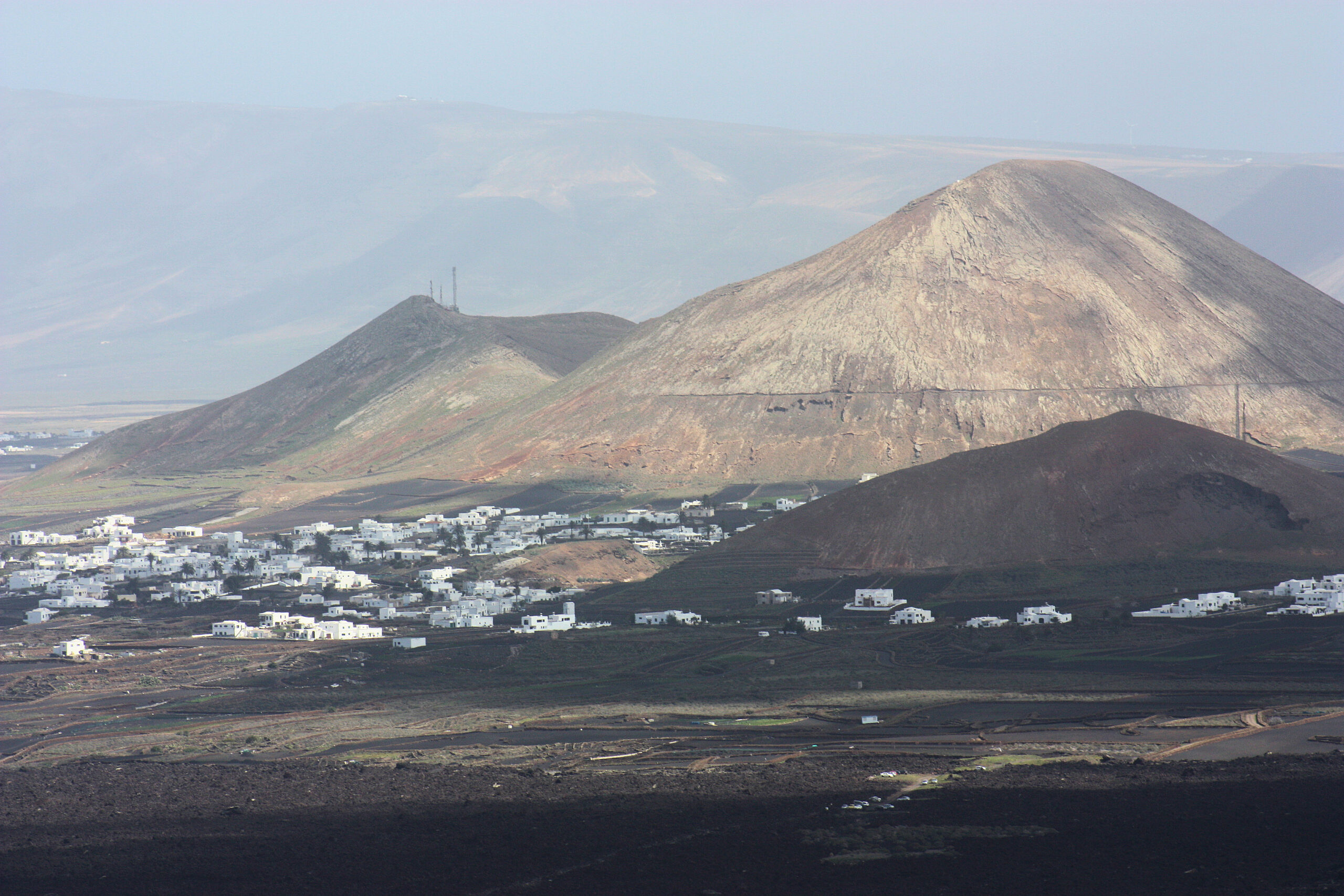
The Timanfaya National Park shares territory between Tinajo and Yaiza. It is also the most visited natural area in Lanzarote, with 51 square kilometres of volcanic ground. The 1730-1736 eruptions lasted six years and covered the centre-west of the island in lava, ash and volcanic cones. Because of this, the landscape seen today is almost identical to what the eruptions left three centuries ago. The ground activity is still ongoing: at 13 metres deep, the temperature ranges between 100 and 600 degrees.
Access to the interior is only by tourist bus along the Route of the Volcanoes, since private traffic is prohibited. The artificial geyser and grilling meat over the earth's heat at the park's restaurant are the best-known experiences. In addition, Tinajo is the Centro de Visitantes de Mancha Blancais the ideal starting point for understanding the history of the eruptions before entering the park.
The Caldera Blanca and the Volcán del Cuervo
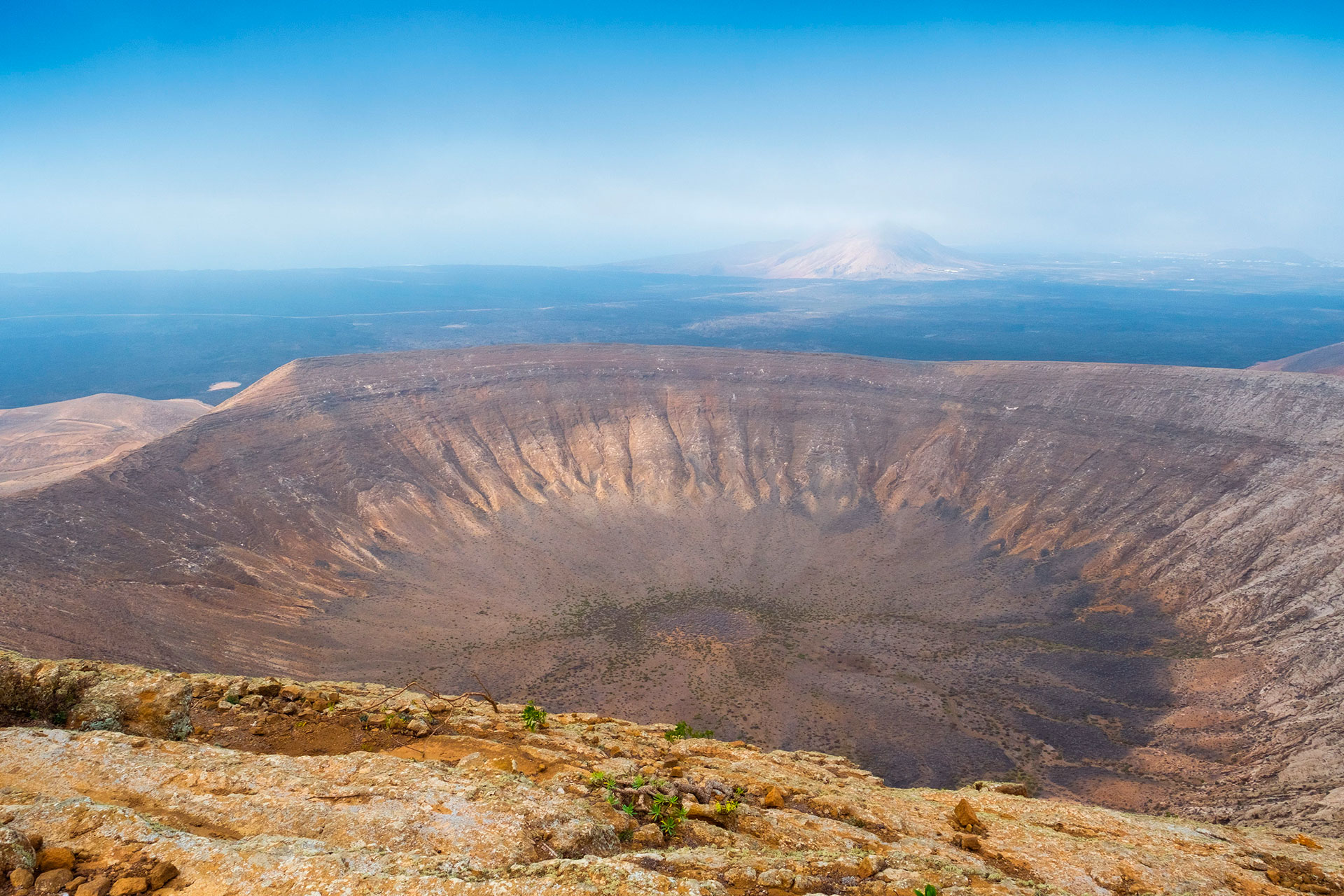
Outside the park's restricted area, Tinajo offers two freely accessible volcanic trails. The Caldera Blanca is the largest crater in Lanzarote, with more than 6 kilometres of rim. A low-difficulty trail circles the crater and climbs to its rim. From the top, the views over the lava field and the Fire Mountains are spectacular.
The Volcán del Cuervo offers, on the other hand, a more direct experience: a low-difficulty circular trail that lets you enter the caldera and explore its interior among lava walls. It is the closest access to the island's volcanic landscape. It is also one of the most highly rated routes for those looking to get away from the usual Timanfaya.
La Santa and surfing
La Santa is the coastal town of Tinajo and one of the best-known surf destinations in EuropeThe Ola del Quemao, which breaks in front of the town, is one of the most powerful left-hand waves in the Atlantic. It draws surfers from around the world between October and March. Access is difficult and the wave is advanced level, so it's not suitable for beginners.
The La Santa Sport Resort is also the most complete sports centre in Lanzarote and one of the most renowned in Europe. Every winter it welcomes thousands of triathletes, cyclists and swimmers who take advantage of the island's good climate to train. The facilities include Olympic swimming pools, an athletics track, courts and direct access to the sea. Meanwhile, the town of La Santa keeps a local, quiet atmosphere, with fish bars far removed from the mass tourism of the south of the island.
Mancha Blanca and the Virgen de los Volcanes
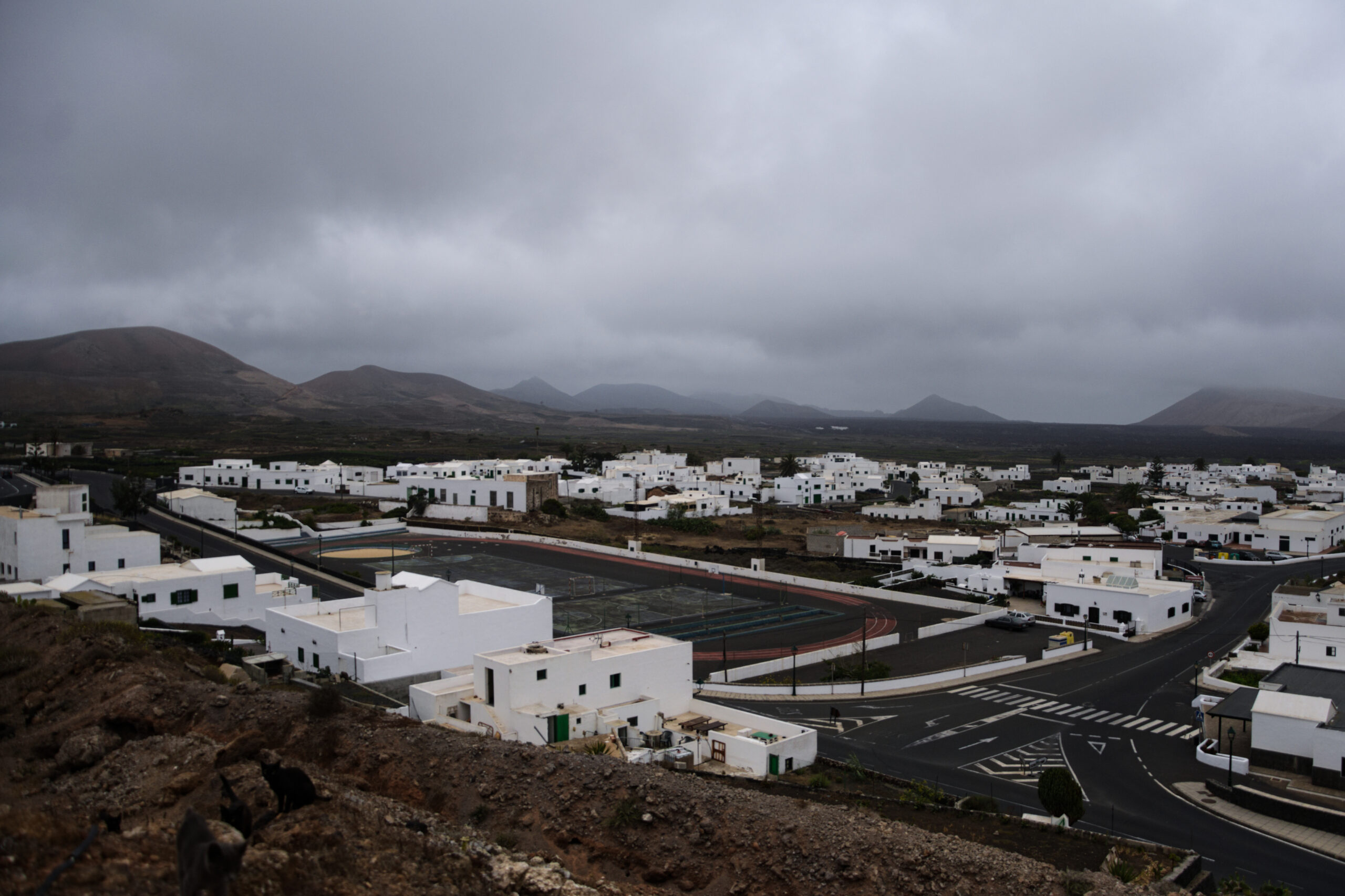
Mancha Blanca is the municipality's second most important settlement. Here the Virgen de los Doloresis venerated, known as the Virgen de los Volcanes and patron saint of all LanzaroteThe Ermita de los Dolores, built in 1781, holds her image. It was built as a promise following the miracle attributed to the Virgin during the 1730-1736 eruptions, when the lava stopped at the doors of the earlier hermitage without destroying it.
Each 15 September, the romería in honour of the Virgen de los Dolores brings together thousands of people from across the island. It is, for this reason, one of the most crowded religious and popular celebrations in Lanzarote. Also, every Saturday morning the Mancha Blanca farmers market offers cheeses, pastries, garden produce and local craftwork.
Gastronomy in Tinajo
The cuisine of Tinajo combines produce from volcanic gardens with fresh fish from the Atlantic. The municipality's restaurants serve wrinkled potatoes with mojo, parrotfish grilled on the bone and fish broths. The baifo — roast kid goat — is the most sought-after dish at Christmas. In addition, rabbit in salmorejo and the sweet almond tortilla are two recipes very typical of the municipality. Meanwhile, the Bodegas Guiguan, next to the Caldera de Guiguan, produce wines from grapes grown on volcanic soil using techniques adapted to the arid climate of Lanzarote.
How to get to Tinajo
Tinajo is in the central-west of Lanzarote, about 20 kilometres from Arrecife via the LZ-30 road (approximately 20-25 minutes by car). From the Lanzarote airport the journey is about 25 kilometres and 25-30 minutes. The Centro de Visitantes de Mancha Blanca and the entrance to the Volcán del Cuervo have signposted access from the LZ-67.
A private car is recommended for touring the municipality, as its points of interest are spread out and public transport runs infrequently. Also check the live cameras of Lanzarote to help you navigate the island.
Frequently asked questions about Tinajo Lanzarote
Is the Timanfaya National Park in Tinajo?
The Timanfaya National Park shares territory between the municipalities of Tinajo and Yaiza. The Centro de Visitantes de Mancha Blanca, within the municipal boundaries of Tinajo, is the park's most complete information point and the recommended place to start the visit.
What is the Ola del Quemao in La Santa?
It is a powerful left-hand wave that breaks in front of the town of La Santa, in the municipality of Tinajo. It is one of the most famous waves in Europe and draws advanced-level surfers between October and March. It is not suitable for beginners due to its power and the difficulty of accessing the break.
How do you get to the Caldera Blanca from Tinajo?
The Caldera Blanca has signposted access from the LZ-67 road between Tinajo and Yaiza. The designated car park is the starting point for the low-difficulty circular trail that skirts the crater. It's a route of about two hours at a relaxed pace.
Who is the Virgen de los Volcanes?
She is the Virgen de los Dolorespatron saint of Lanzarotevenerated at the Ermita de los Dolores of Mancha Blanca. Tradition says the lava from the 1730-1736 eruptions miraculously stopped in front of the earlier hermitage without destroying it. Every 15 September her romería brings together thousands of pilgrims from across the island.
What is the Volcán del Cuervo?
It is a freely accessible volcano in the municipality of Tinajo, with a low-difficulty circular trail that lets you go around and into its caldera. It is one of the most direct and intimate volcanic experiences in Lanzarote, away from the Timanfaya National Park circuits.
How do you get to Tinajo from Arrecife?
It's about 20 kilometres via the LZ-30 road, approximately 20-25 minutes by car. Having your own vehicle is recommended for visiting the municipality's various spots: the town of La Santa, Mancha Blanca, the Volcán del Cuervo and the Caldera Blanca are spread across the territory.