
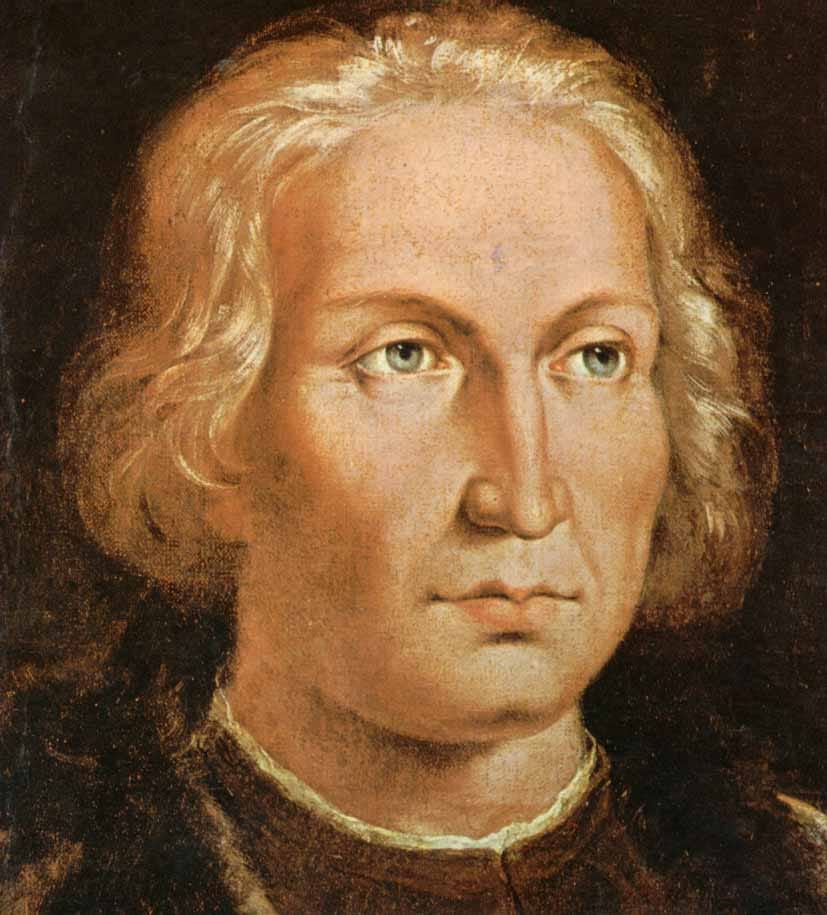
Christopher Columbus and the Canary Islands
Christopher Columbus and the Canary Islands: a key point in history
When you visit the Canary Islands, you will feel their energy and understand why Christopher Columbus chose them as his last stop. Here, he stocked up on supplies and water before the most important journey in history.
Few know about the close bond between the Canaries and the great Genoese navigator. However, the islands played a key role in the journey that took Columbus to the New World.
In La Gomera, Columbus was able to study the currents and trade winds of the Atlantic. Additionally, the archipelago was the last European port before the great leap to the ocean. Therefore, it was also the last place where the caravels could resupply.
The natural wealth of the islands, the quality of the water, and the warm welcome of its inhabitants weighed heavily on the decision. Thus, the expedition spent several weeks in the Canaries. There, they loaded provisions, repaired the ships, and regained strength before the long journey.
Christopher Columbus's first voyage: departure and preparation in the Canaries
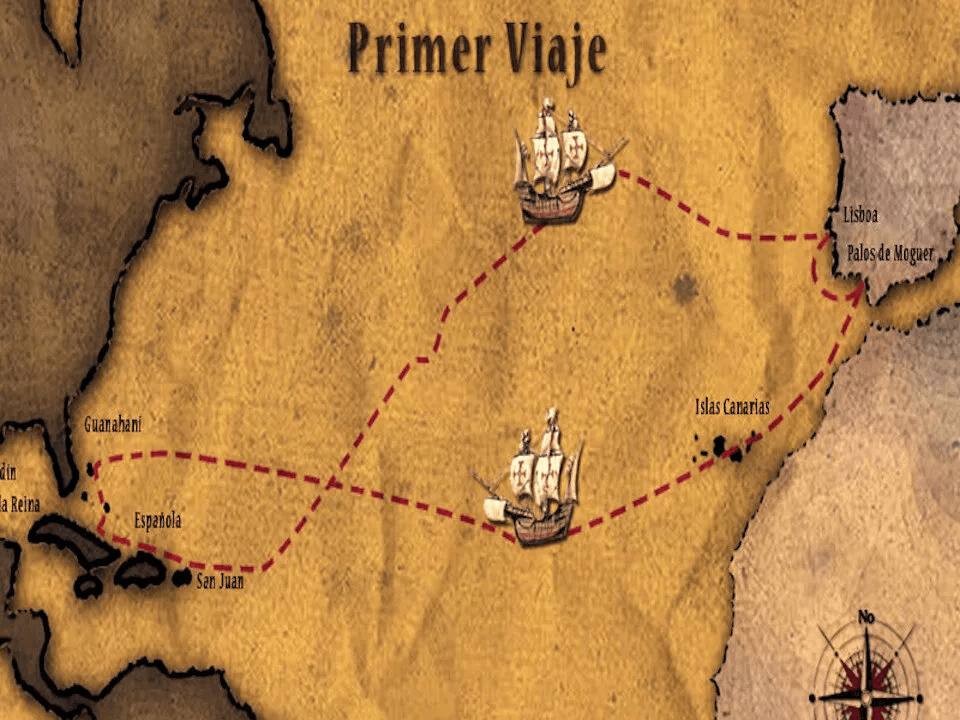
On August 3, 1492, the Niña, the Pinta, and the Santa María set sail from Palos de la Frontera towards the Canaries. The islands were the last port before seeking a new route to the Indies. The fleet arrived on August 9. During the stop, Columbus finished preparing the caravels and added some local sailors, famous for their skill at sea.
Finally, on September 6, the expedition departed from La Gomera towards the coasts of Asia. No one could imagine what was to happen. After several weeks of travel, tensions grew among the crew and there were a few attempts at mutiny.
On October 12, 1492, after 36 days at sea, sailor Rodrigo de Triana shouted from the Pinta the long-awaited 'Land in sight!'. With that journey, Columbus changed the course of history. In fact, many historians mark this date as the end of the Middle Ages and the beginning of the Modern Age.
Why were the Canaries a mandatory stop?
Two reasons made the Canaries a mandatory stop on the way to the New World. On one hand, the islands are right in the trade winds' path. On the other hand, they were the last western bastion of Europe in the ocean. Since then, the history of the Canaries and that of America have been closely linked.
From the islands came the first plants of sugar cane and banana to America. The same happened with pigs, goats, dogs, and sheep, which soon spread throughout the Antilles. In the opposite direction, the potato arrived in the Canaries from America. According to some historians, it adapted here before reaching the rest of Europe.
Moreover, many islanders embarked to America and participated in the life of new cities. This is the case of Buenos Aires, Santa Marta, Caracas, Montevideo, or Havana. Their influence can still be felt today in those places.
Gran Canaria and the repair of the Pinta
In Gran Canaria, Columbus asked the governor for help to repair the Pinta, which had been damaged during the crossing from the peninsula. Today, the Casa de Colón occupies the old governor's house in the Vegueta neighborhood. It preserves original parts and holds great historical value.
You only have to enter to travel back to the age of discovery. During the visit, you will discover in an educational way what happened on that first voyage to America. You will also learn about the role that the Canaries played in that historical moment.
La Gomera: a decisive meeting
The Casa de Colón in La Gomera is the ideal place to understand why the navigator felt affection for this island. Its archaeological and historical material shows what La Gomera was like at that time. It also explains the role of its inhabitants in the discovery of the New World.
It is said that La Gomera fascinated Columbus from the very first moment. A legend also tells that in San Sebastián he had a great love story with the lady of the island, Beatriz de Bobadilla.
Therefore, the route begins at the Torre del Conde. According to the islanders' accounts, that is where the two lovers would secretly meet.
A few meters away is the Casa de la Aduana, which tradition says was the first house of the lords of the island. There is the Aguada well, from which Columbus drew water for his first voyage.
Beatriz de Bobadilla: love, power, and myth
No one knows for sure if Columbus had a romance with Beatriz de Bobadilla, the lady of La Gomera. However, the navigator returned to stop at the island on other trips. That is why many believe the story is likely.
A wedding to distance her from the court
The chronicles describe her as one of the most beautiful and feared women in Castile. Her aunt, also named Beatriz de Bobadilla, had the trust of Queen Isabel. She was her lady-in-waiting and advised her on government matters. Thanks to her, the young Beatriz entered the court.
However, the queen saw a danger in the interest that King Ferdinand showed towards her. Thus, she wanted to marry her off to a man far from the court. Beatriz married Hernán Peraza, lord of La Gomera. Peraza had a violent character and the islanders hated him. In the end, a group of natives killed him, and Beatriz was left a widow at a young age.
Lady of La Gomera and wife of the Adelantado
Later, Beatriz got close to Alonso Fernández de Lugo, conqueror of Tenerife and the most powerful man in the archipelago. The relationship caused scandal, but she did not let herself be intimidated. Eventually, she married him and gained enormous power over the islands. According to the chronicles, she took revenge on her enemies and ordered the killing of many of them. She also led a harsh repression against the natives.
Over time, accusations poured in and the court called her for trial. However, she died in Medina del Campo before the trial under unclear circumstances.
The testimony of Michele da Cuneo
Another source links Beatriz with Columbus: Michele da Cuneo, a nobleman from Savona who traveled on the second expedition. He enjoyed spicy stories and left his account of the stop in La Gomera. He says that the fleet held parties, salutes, and ceremonies in honor of the lady of the island. And adds that the Admiral had been in love with her at another time.