
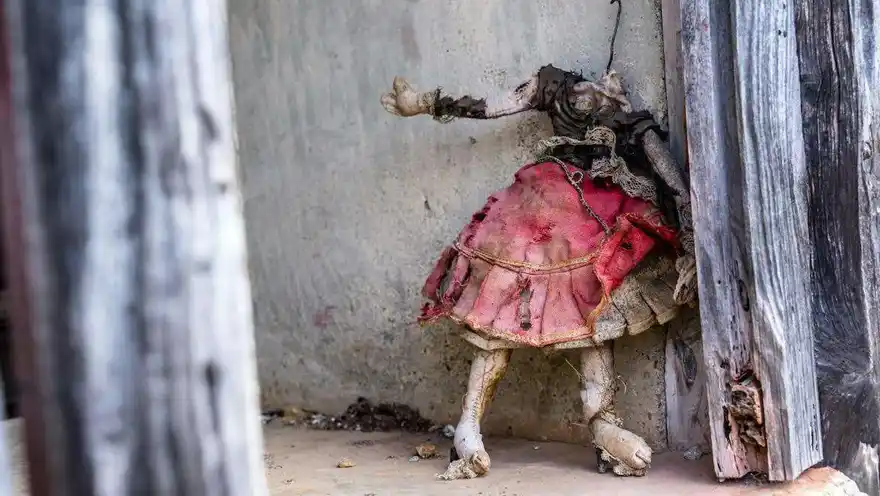
The Canary Islands have always been considered a mysterious place
Canaries: Land of Mysteries, Witches, and Legends
The Canaries and Their Mysterious Legends: Stories of Witches and Ghosts
The Canary Islands have always been considered a mysterious place. Their legends seem taken from movies featuring gnomes, fairies, spells, ghosts, and witches.
In fact, there is a book that compiles numerous unexplained events from the archipelago.
Do you know the legends that became taboo? Some were persecuted by the Catholic Church.
In this article, we will discover part of that rich cultural heritage.
The aborigines, mystical authors of the Canary Islands
The ancient pre-Hispanic inhabitants are linked to the magical environment of the islands. This legacy is especially reflected in the ritual dances. According to tradition, these practices were widespread throughout the archipelago, even without communication between the islands.
In fact, similar rituals exist on various islands. Their origins could date back to a time without contact between their inhabitants. One theory points to a common heritage prior to the indigenous populations.
What were the bailaderos?
According to some interpretations, the bailaderos were places located in the mountains. There, the ancient Canarians sought the energetic vibrations of Mother Earth. Their panoramic views allowed them to contemplate mountain ranges with abundant native flora and fauna.
This cult was based on rituals dedicated to nature. It was considered a special being, capable of providing energy to those who practiced witchcraft.
There are two theories regarding the term 'bailadero'. The first relates it to dances held in public spaces. There, the pre-Hispanic inhabitants performed rites, ceremonies, and religious festivities.
The second theory relates the name to 'baladero', derived from 'balar'. During droughts, the aborigines separated the young from their mothers. They hoped that the bleating of the livestock would invoke rain.
The bailaderos remain present in the collective memory. Among the best-known are those of Anaga and the Bailadero de Las Brujas.
ancestral places of Canary Islands which attract curious tourists
According to some stories, witches and practitioners of the occult have visited the islands to perform their rituals. Maybe that's why places like El Bailadero continue to spark curiosity. This enclave is located in the Anaga massif and attracts hikers interested in its legends.
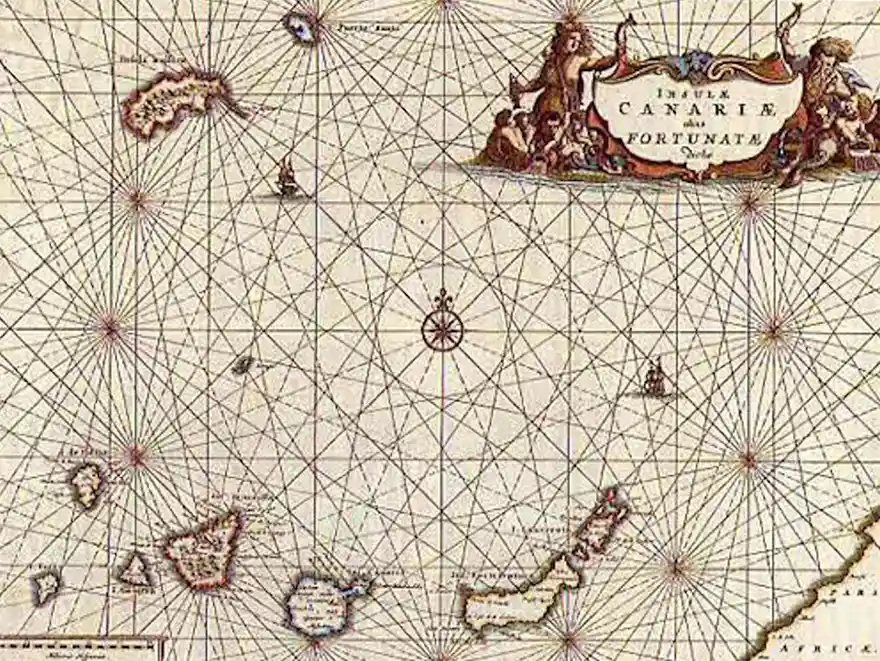
Mysterious lights, haunted houses, and luminous beings
The mysterious legends of the Canaries are not limited to the spells of the bailaderos. They also include tales of haunted houses and unexplained phenomena.
The soul of Ana González
In Tacande, a small town on La Palma, an extraordinary story is told. Ana González died during childbirth in 1628. According to legend, her soul visited her family for 87 days. She wanted to lull her newborn baby and rock her cradle.
Tradition attributes her apparitions to feelings of guilt. Ana had concealed her pregnancy and died leaving her child without a mother.
According to the account, the Inquisition sent a priest to document conversations with the soul. The house where she lived was destroyed by a fire. However, the story has endured in popular memory.
The Mafasca Light of Fuerteventura
The legend of Ana González is not the only tale of wandering souls. Another story talks about two travelers who committed a sacrilege. They cooked a kid using wood from a cross erected in honor of a deceased person.
Since then, according to tradition, the famous Luz Mafasca has been seen in the plains between Antigua and Betancuria, in Fuerteventura. Accounts describe a bluish light that would peacefully accompany those traversing the lonely paths of the island.
Canary legends, white beings, and the girl with the pears
The Barranco de Badajoz is also linked to stories about lights and the so-called 'white beings'. One of its legends is that of the 'pear girl'. According to the story, a little girl ventured into the ravine to look for fruits. There she would have encountered strange creatures and spent several hours with them.
However, the legend says that the girl had disappeared for twenty years. When she reappeared, she had not aged a single day.
Witchcraft and superstitions: a universal phenomenon
Legends about witchcraft are not exclusive to the Canaries. Throughout Spain, from Galicia to the Basque Country, stories of witches are part of popular tradition. In the islands, they mix with indigenous beliefs and superstitions brought by colonizers and sailors.
Witches in long black dresses may have disappeared from daily tales. However, they remain alive in the collective imagination thanks to oral tradition.
Conclusion: A legacy full of magic and mystery
The legends of the Canaries are part of an ancestral legacy that continues to fascinate both residents and tourists. Their stories range from witches to unexplained lights. Moreover, they serve as an attraction for those interested in mystical tourism in the archipelago.
If you want to discover the mystical places of the Canaries, you can visit the ancient bailaderos. You can also learn about the stories passed down from generation to generation under the moonlight.