
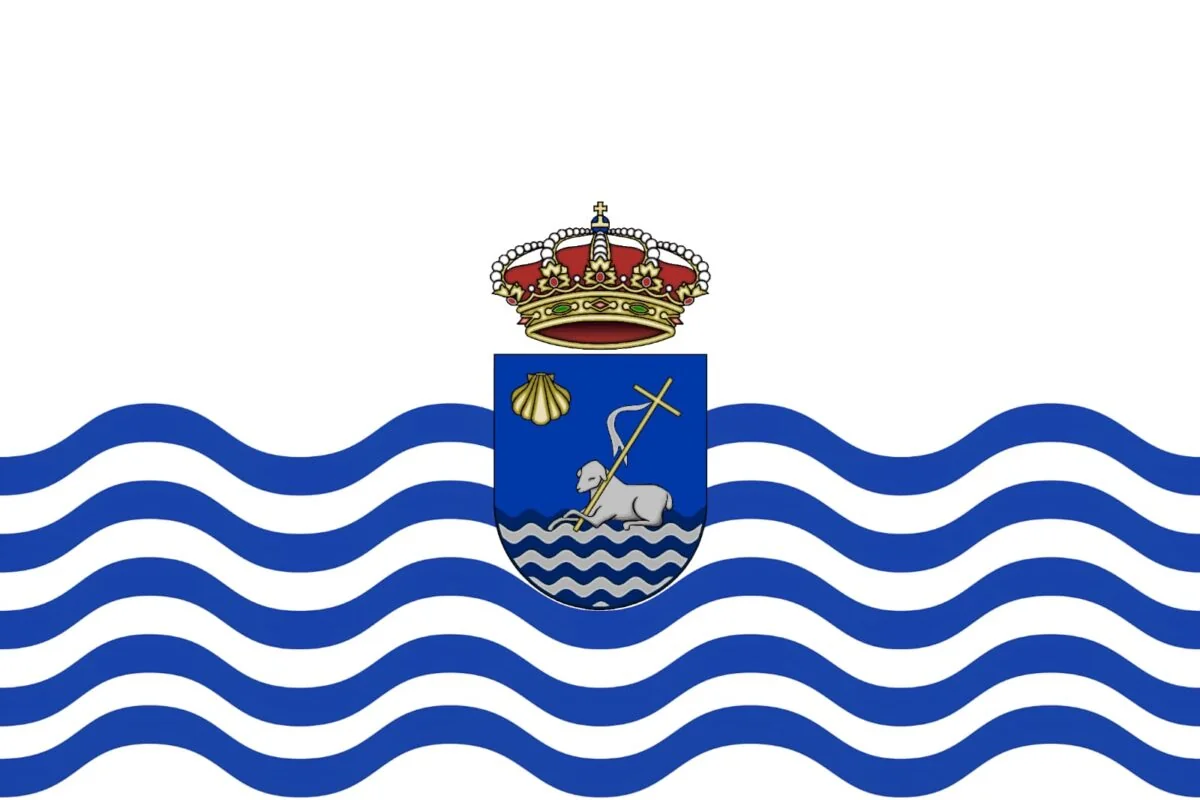
What to see in San Juan de la Rambla, Tenerife
Charco de la Laja and the north coast
San Juan de la Rambla Tenerife, five centuries of history between vineyards and the Atlantic
San Juan de la Rambla is one of the most authentic municipalities in the north of Tenerife. Portuguese settler Martín Rodríguez founded it in the early 16th century when he built a hermitage in honour of San Juan Bautista. Over time, the place attracted families drawn by the agricultural quality of the land, and so the village grew. In 1925, King Alfonso XIII granted the municipality the title of Villa. Today it retains a historic centre declared a Cultural Heritage of Interest, the famous Charco de La Laja at the foot of the cliff, and a farming tradition ranging from banana plantations to malvasía vineyards.
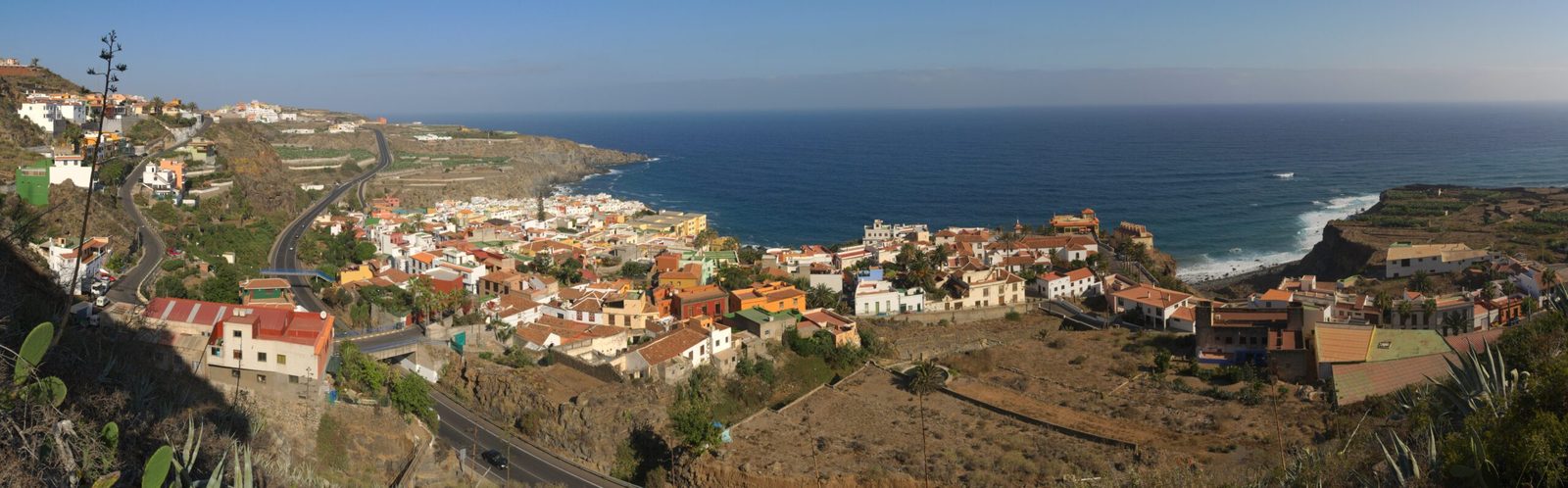
The historic centre and the Barrio de los Quevedos
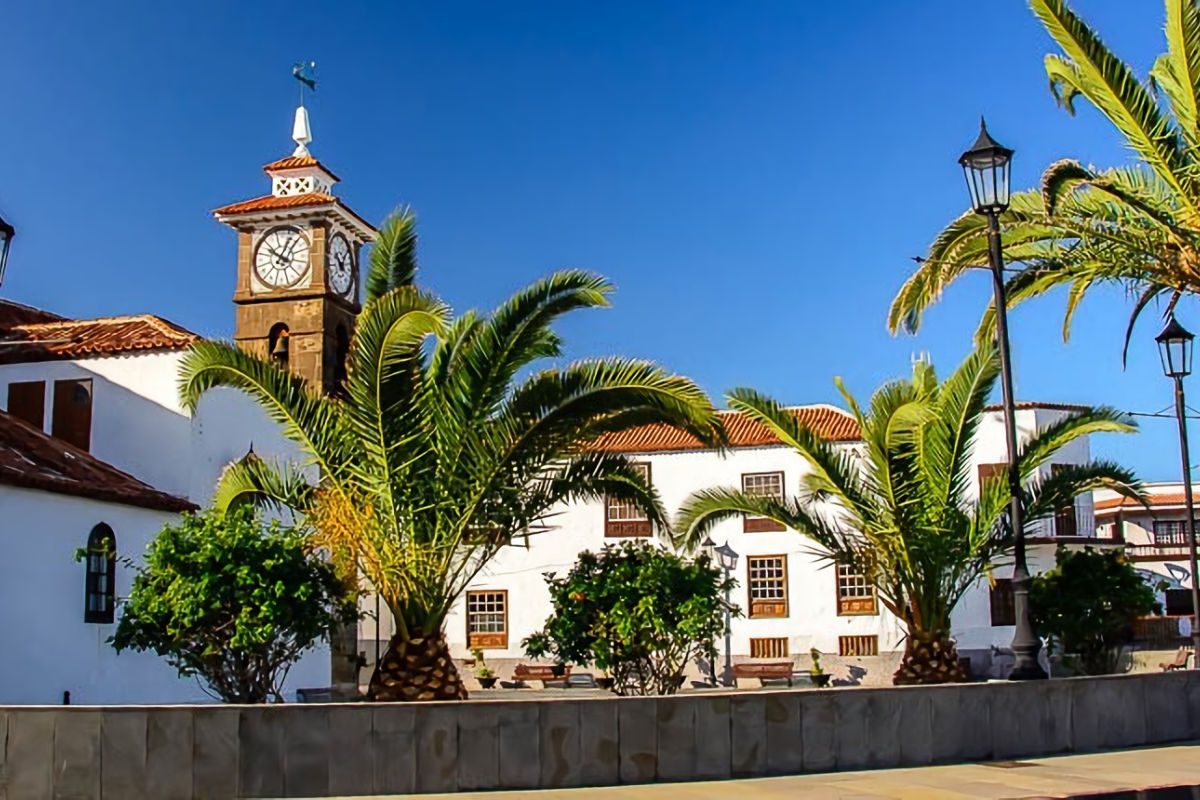
The historic center of San Juan de la Rambla received the designation of Cultural Heritage of Interest with the designation of Historic Ensemble in 1990. Its cobbled streets — known as "the Upper" and "the Lower" — feature stone manor houses with tiled roofs and wooden balconies, attesting to the municipality's splendor in its most prosperous centuries.
The Iglesia de San Juan Bautista, from the 16th century, anchors the whole area around the Plaza de la Iglesia. Next to it stand the Casa de los Alonso del Castillo and the Casa Oramas, with a beautiful wooden balcony with latticework on the main façade. The Casa de la Alhóndiga is another building steeped in history: it served as a grain store, meeting hall, jail and the municipality's first town hall. The Barrio de los Quevedos, meanwhile, brings together around fifteen houses of traditional Canarian rural architecture and is part of the protected ensemble declared a Cultural Heritage of Interest.
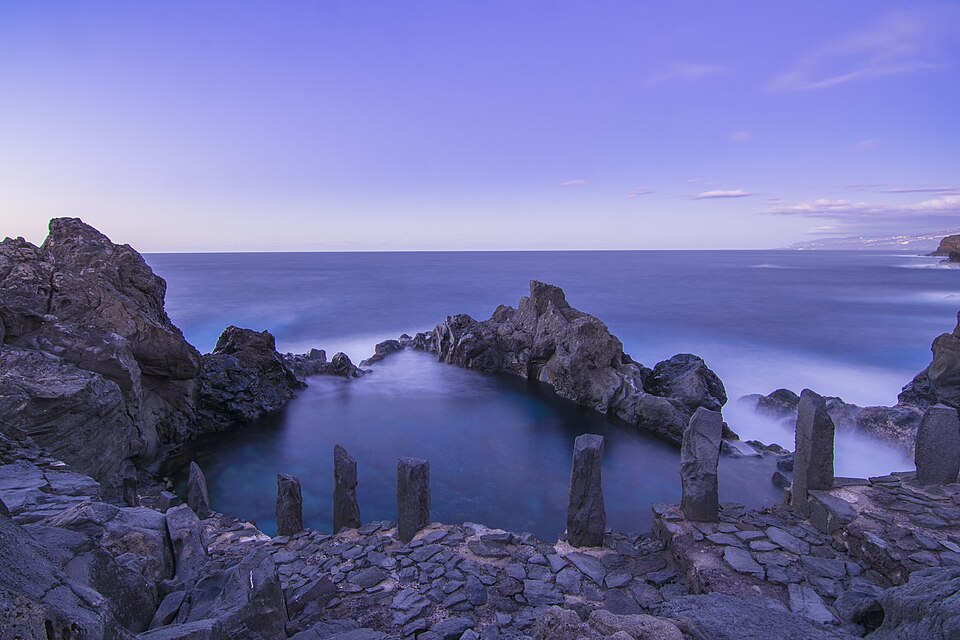
El Charco de La Laja
The Charco de La Laja is the municipality's great natural attraction. The volcanic rock — formed by lava flows and basalt fragments — combined with the action of the sea on the cliff created a calm, crystal-clear pool right at the edge of the town centre. There are three bathing areas: a smaller one for children and two larger ones, all with easy access via a path starting from the Cooperativa San Juan Bautista. From the viewpoint above it, the sight of the pool framed between the black rock and the blue of the Atlantic is one of the most photographed scenes in the north of Tenerife.
The water is usually calm inside the pool, though it's worth checking sea conditions before heading down, especially in winter. Three restaurants with terraces next to the pool round out the visit with local food right by the water.
La Rambla de los Caballos and the trails
The Rambla de los Caballos is the municipality's most popular coastal trail. It runs along the north coast of Tenerife next to the cliff, past old manor houses, some restored and others awaiting restoration. The path lets you discover the traditional architecture of the northern coastline from a different angle than the historic centre. The Barranco de Ruiz – Icod El Alto also connects the municipality with the natural boundary of Los Realejos and offers a medium-difficulty hiking route through a ravine of great geological value.
The Mirador de El Mazapé, in the La Vera district, opened in 2005, offers a panoramic view of the municipality and the north coast towards Puerto de la Cruz and Icod de los Vinos. On clear days, the Teide dominates the backdrop.
The Guanche sites
The ravines of La Chaurera and Ruiz hold the largest known concentration of Guanche sites on the whole island of Tenerife. Habitation caves, burial sites and rock engravings cover the walls of these ravines, showing intense occupation of the land long before the arrival of European settlers. Historian Juan Núñez de la Peña already described the site in 1676 as a place of major Malvasiaproduction, which shows that the vine links the Guanche era with the colonial one in the same landscape.
Gastronomy and malvasía
The bars, taverns and restaurants of San Juan de la Rambla serve Canarian cuisine made from local produce: wrinkled potatoes with mojo, fresh fish from the north, grilled limpets and seasonal stews. The municipality's guachinches also offer wine from their own harvest during the open months. The municipality is also working to revive the Malvasiavineyard, the variety the chronicler Núñez de la Peña already praised in the 17th century, under the label malvasía de La Rambla. If you get the chance, it's worth seeking out this local wine that links the municipality's farming past with its present.
How to get to San Juan de la Rambla
San Juan de la Rambla is in the north of Tenerife, between Los Realejos and Icod de los Vinos. Puerto de la Cruz it's about 15-20 minutes by car via the TF-5 and the TF-351 or TF-352. From Santa Cruz de Tenerife the journey takes about 50-55 minutes. The Tenerife North Airport is about 40 kilometres away, approximately 35-40 minutes. Several TITSA lines — including 107 and 363 — connect the municipality with Puerto de la Cruz and Santa Cruz. Also check the live cameras in Tenerife to help you navigate the island.
Frequently asked questions about San Juan de la Rambla Tenerife
What is the Charco de La Laja?
It is a natural volcanic pool at the foot of the town's cliff, formed by the action of the sea on the basalt rock. It has three bathing areas of different sizes, crystal-clear water and restaurant terraces right by the water. It is the most popular swimming spot in the north of Tenerife in the area.
What is there to see in the historic centre of San Juan de la Rambla?
The centre, declared a Cultural Heritage of Interestoffers the Iglesia de San Juan Bautista from the 16th century, the Casa de los Alonso del Castillo, the Casa Oramas with its latticed balcony, and the Casa de la Alhóndiga. The Barrio de los Quevedos also holds the municipality's finest examples of traditional Canarian rural architecture.
What is the Rambla de los Caballos?
It is the most popular coastal trail in San Juan de la Rambla. It runs along the north coast next to the cliff, past traditional manor houses, letting you see the architecture of the northern coastline right from the path. It is a quiet, accessible route from the historic centre.
Why does San Juan de la Rambla have so many Guanche sites?
The ravines of La Chaurera and Ruiz hold the highest known density of Guanche sites in Tenerife, with habitation caves, burial sites and rock engravings. The terrain's topography made it easier for the indigenous population to settle in the area long before the Europeans arrived.
What is malvasía de La Rambla?
It is the municipality's historic grape variety, already praised by chronicler Juan Núñez de la Peña in 1676. The municipality is working to revive its cultivation and production under the label malvasía de La Rambla, thereby reviving a winemaking tradition that links the colonial past with the present.
How do you get to San Juan de la Rambla from Puerto de la Cruz?
It's about 15-20 minutes by car via the TF-5, taking the exit towards the TF-351 or TF-352. By bus, TITSA line 363 of TITSA connects Puerto de la Cruz with the municipality, with regular departures throughout the day.