
What to see in Güímar, Tenerife
Güímar Pyramids and Malpaís
Güímar Tenerife, the valley of menceyato and the pyramids
Güímar is one of the municipalities with the most historical identity in the southeast of Tenerife. Its name comes from the Guanche and means "angle, corner," and it was one of the nine menceyatos into which the island was divided before the Castilian conquest. Today, the municipality combines a unique archaeological heritage — the famous stepped pyramids — with a protected volcanic Badlands, a quiet coast, and an agricultural valley with a winemaking tradition. Moreover, it is one of the southeastern municipalities that has managed to maintain its local character without filling up with large tourist complexes. You can check Tenerife's live cameras to see the island's conditions before visiting.
The pyramids of Güímar
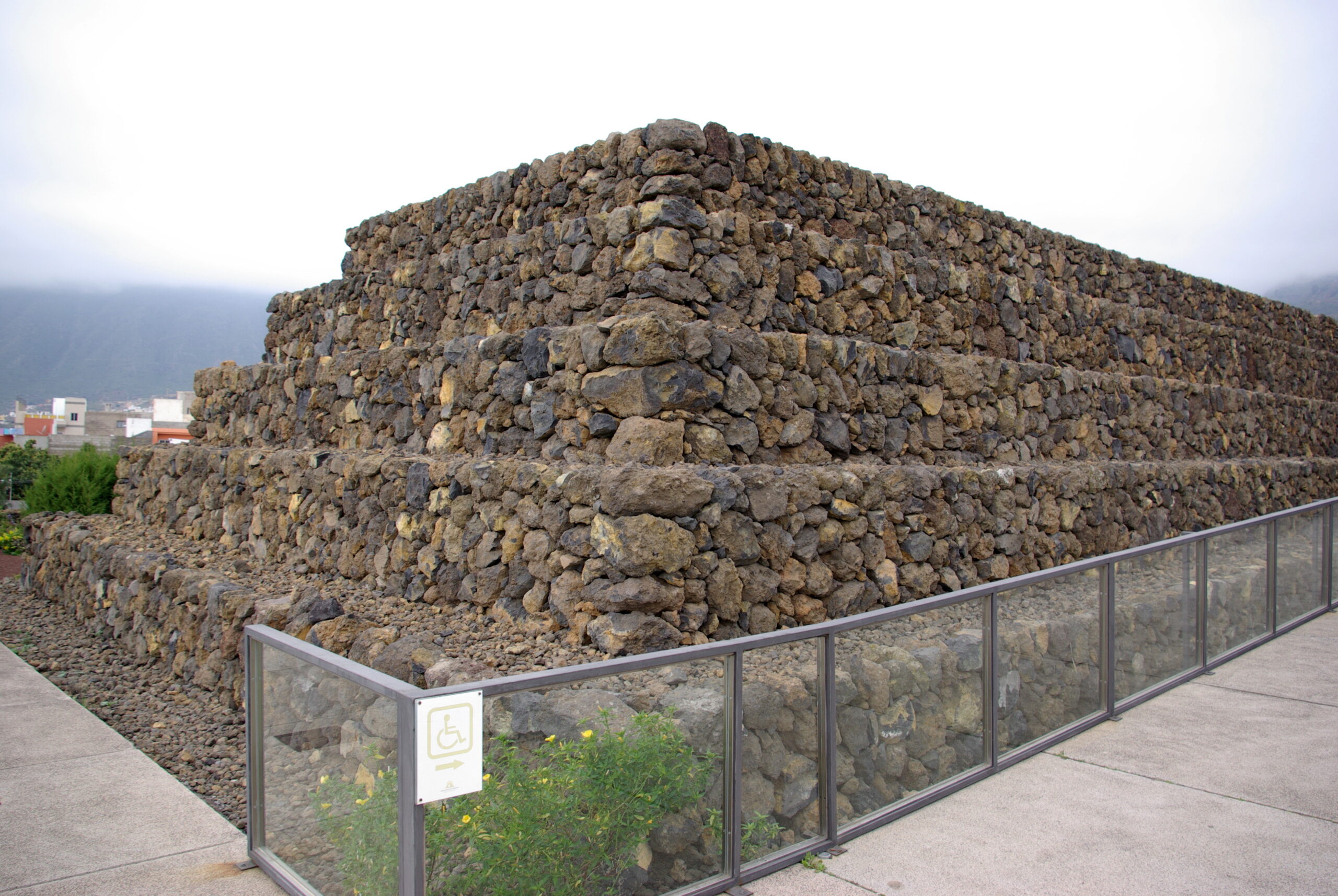
The Ethnographic Park and Botanical Garden Pyramids of Güímar is the most unique attraction of the municipality and one of the most enigmatic of Tenerife. The park, covering more than 64,000 square meters, was built around six stepped pyramids of volcanic stone without mortar, reaching up to 12 meters in height. Their origin is debated: the most accepted theory dates them to the 19th century, built by farmers as piles to clear volcanic stone fields. However, Norwegian explorer Thor Heyerdahl — known for his transoceanic expeditions — promoted their protection and defended a possible connection with pre-Columbian civilizations.
Most notably, the pyramids are precisely aligned with the summer and winter solstices. The park includes the Casa Chacona Museum, themed botanical gardens with native and tropical flora, an auditorium, and exhibitions on the history of Canary Islands and the cultures that navigated the Atlantic. Therefore, it is a recommended visit for all audiences.
The Güímar Badlands
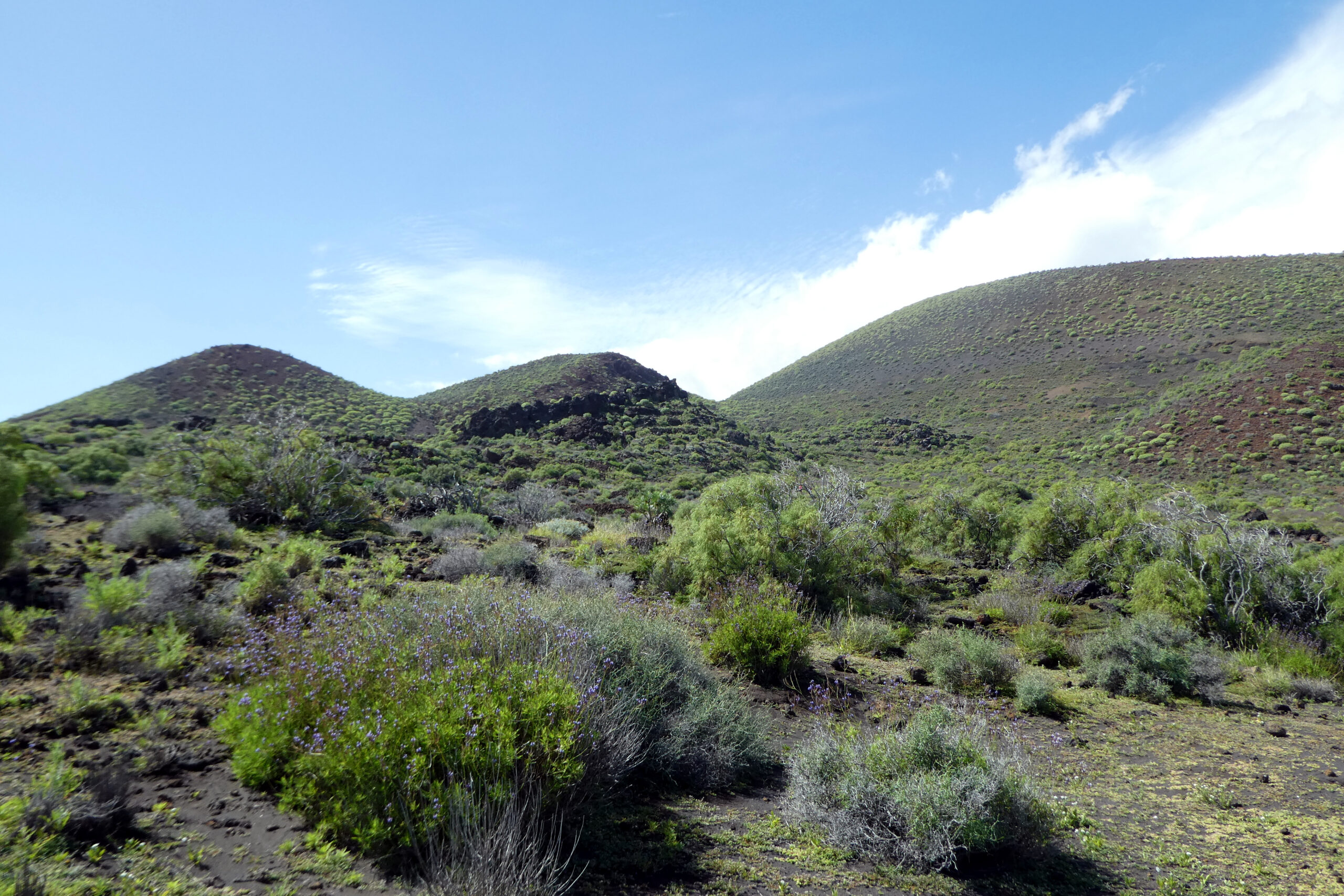
The Güímar Badlands is the other major attraction of the municipality and a total contrast to the pyramids. This Special Nature Reserve, protected since 1987, covers about 290 hectares of basaltic lava flows less than 10,000 years old, ending in the sea forming cliffs, arches, and volcanic tubes. The main cone is Montaña Grande, 276 meters high.
Several marked trails run through the Badlands. The most popular is the 6.86-kilometer circular path starting from Puertito de Güímar, skirts the coast between tabaibas, cardons, and volcanic formations, and climbs inland. Also, the 4-kilometer seafaring trail reaching the neighborhood of El Socorro is one of the most interesting coastal walks in the southeast of Tenerife.
Puertito de Güímar and the coast
The Puertito de Güímar is the coastal center of the municipality and a place with a quiet, local atmosphere. Its restaurants and bars serve fresh fish, grilled limpets, wrinkled potatoes with mojo and seafood, with terraces overlooking the sea. It is also the starting point for routes in the Badlands and offers swimming areas in pebble coves.
Further north, the fishing neighborhood of Socorro holds the image of the Virgin of Socorro, patron of Güímar. The pilgrimage in her honor, descending from the town to the beach, is one of the oldest and most participatory festivals of Tenerife. Additionally, the coast of Güímar offers direct views of the Teide which at sunset creates a very photogenic scene.
The Güímar Valley and the viewpoints
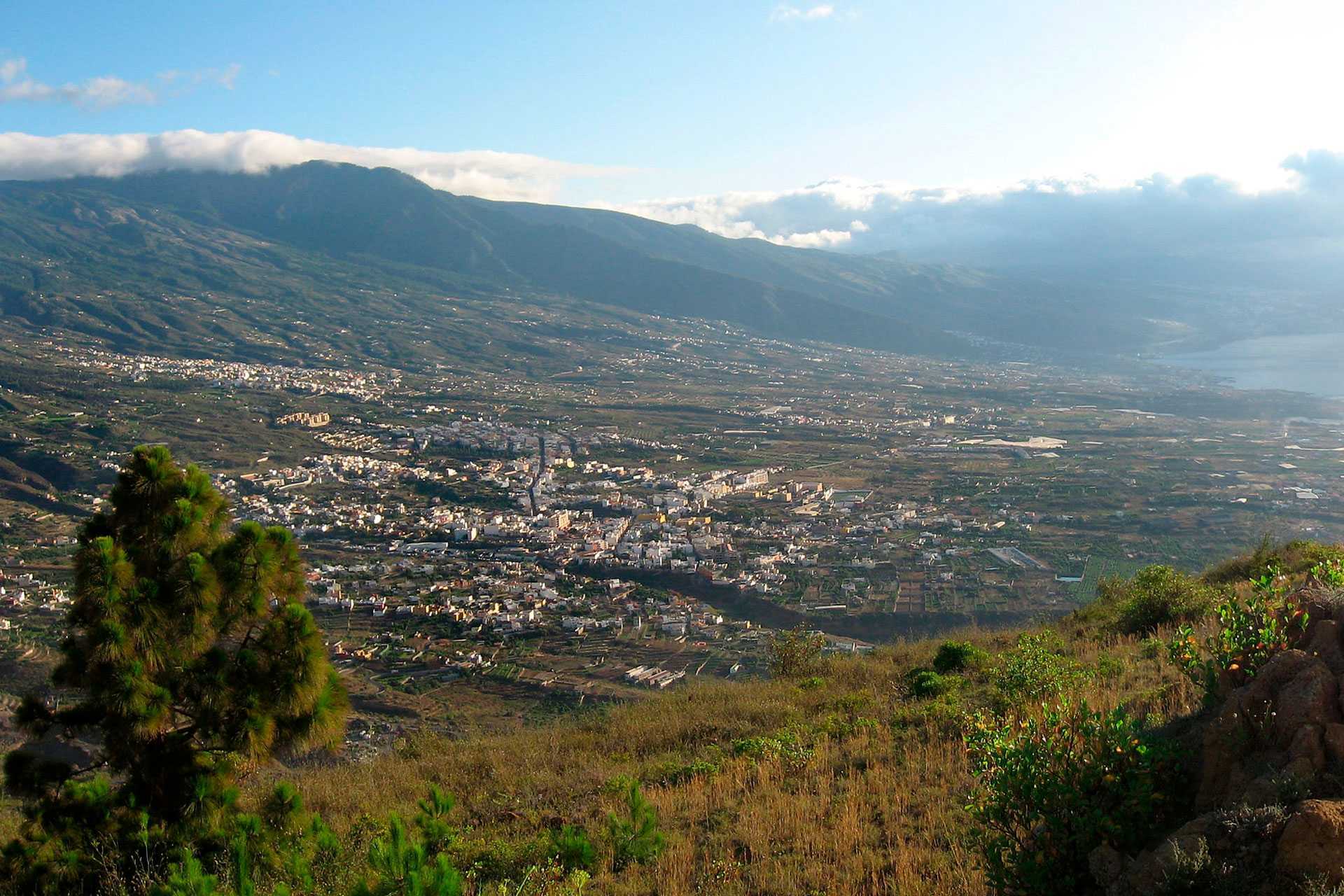
The Valley of Güímar is a volcanic depression descending from the 2,000-meter-high peaks to the sea. From the municipality's viewpoints — especially the Chivisaya Viewpoint — the entire expanse of the valley can be seen with its cultivated areas, greenhouses, and the protected areas of the surroundings. It is one of the most characteristic views of the southeast of Tenerife.
The historic center of Güímar, in the mid-altitude areas, concentrates the architectural heritage of the municipality: the Church of San Pedro Apóstol, the City Hall, and traditional squares. The Badajoz Ravine, on the other hand, is a deep ravine known both for its natural value and for the unexplained legends and phenomena that attract visitors from all over the island.
Gastronomy in Güímar
The gastronomy of Güímar combines the flavors of the Canarian interior with fresh seafood from the coast. The municipality has a winemaking tradition with white wines of its own denomination, produced in the mid-altitude areas of the valley. Additionally, local produce — tropical fruits, potatoes, tomatoes — directly supplies the town's restaurants.
In the Puertito de Güímar it is common to eat by the sea in a local atmosphere: grouper, parrotfish, shrimp, grilled cheese, and wrinkled potatoes. On the other hand, in the town's interior, bars and taverns offer traditional midland Canarian cuisine, simpler and more frequented by locals than tourists.
How to get to Güímar
Güímar is about 26 kilometers from Santa Cruz de Tenerife via the TF-1, approximately 25-30 minutes by car. From the Tenerife South Airport it's about 35 kilometers and 30 minutes. By public transport, TITSA buses connect Güímar with Santa Cruz and other southeastern municipalities with frequent departures. A car is recommended to visit the coast and the Badlands. Also check the live cameras in Tenerife to help you navigate the island.
Frequently Asked Questions about Güímar Tenerife
What are the pyramids of Güímar?
They are six stepped structures of volcanic stone without mortar, up to 12 meters high, located in the municipality of Güímar. The most accepted theory dates them to the 19th century. The Norwegian explorer Thor Heyerdahl promoted their protection and studied their possible connection with pre-Columbian civilizations. Today they are part of the Ethnographic Park and Botanical Garden Pyramids of Güímar.
What is the Güímar Badlands?
It's a Special Nature Reserve of about 290 hectares of basaltic lava flows that end in the sea. Protected since 1987, it can be explored via marked trails starting from Puertito de Güímar. It hosts tabaibas, cardons, and unique volcanic formations in southeastern Tenerife.
What is the Socorro pilgrimage?
It is one of the oldest festivals in Tenerife, in honor of the Virgin of Socorro, patron of Güímar. Participants descend in pilgrimage from the town to Socorro Beach on the municipality's coast. It is a deeply rooted and participatory celebration that attracts visitors from all over the island.
Are there beaches in Güímar?
The coast of Güímar consists of volcanic coves and pebble beaches. The most frequented swimming areas are in the Puertito de Güímar and in the Socorro Beach. They are not fine sand beaches, but volcanic environments with clean waters and a local atmosphere.
What wines are produced in Güímar?
The municipality has a winemaking tradition with white wines of its own denomination, produced in the mid-altitude areas of the Valley of Güímar. The valley's altitude and microclimate favor a high-quality grape that produces fresh and aromatic wines recognized in Tenerife.
How to get to Güímar from Santa Cruz de Tenerife?
It's about 26 kilometers via the TF-1, approximately 25-30 minutes by car. By public transport, TITSA buses connect Güímar with Santa Cruz with frequent departures throughout the day. To visit the coast and the Badlands, using a car is recommended.