
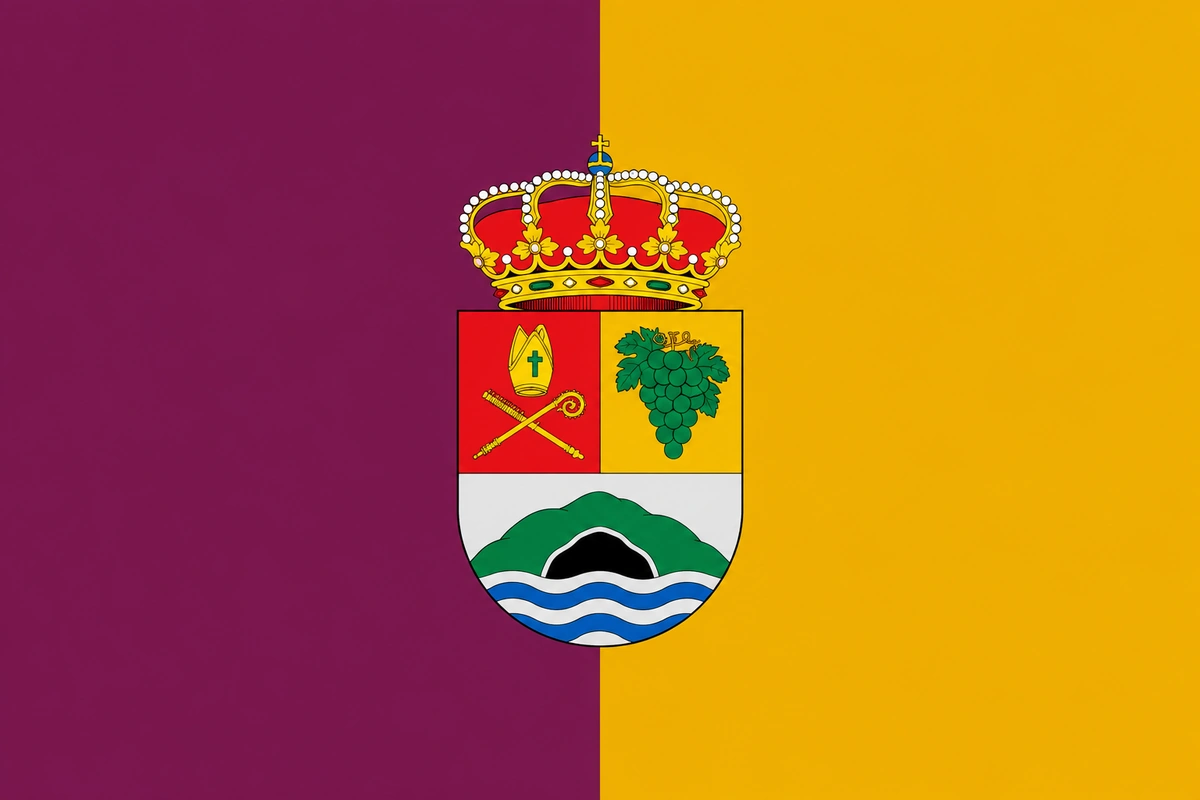
What to see in Villa de Mazo, La Palma
Pottery, market and La Palma Airport
Villa de Mazo La Palma, the artisan municipality of the island's southeast
Villa de Mazo is in the southeast of La Palma, at about 500 metres above sea level, with views of the Atlantic and the neighbouring islands. Its territory borders Breña Bajato the north, Fuencaliente to the south, and El Pasoto the west. The island's airport lies within its municipal boundaries, on the coastal strip. The municipality is also known throughout La Palma as the benchmark for Palma craftwork: embroidery, calados, ceramics and handmade cigars are made here using techniques going back centuries. Because of this, its Corpus Christi — declared a National Tourist Interest Festival — is one of the most spectacular celebrations in Canary Islands. Check the Live cameras of La Palma and check the weather in real time.
The Corpus Christi in Mazo
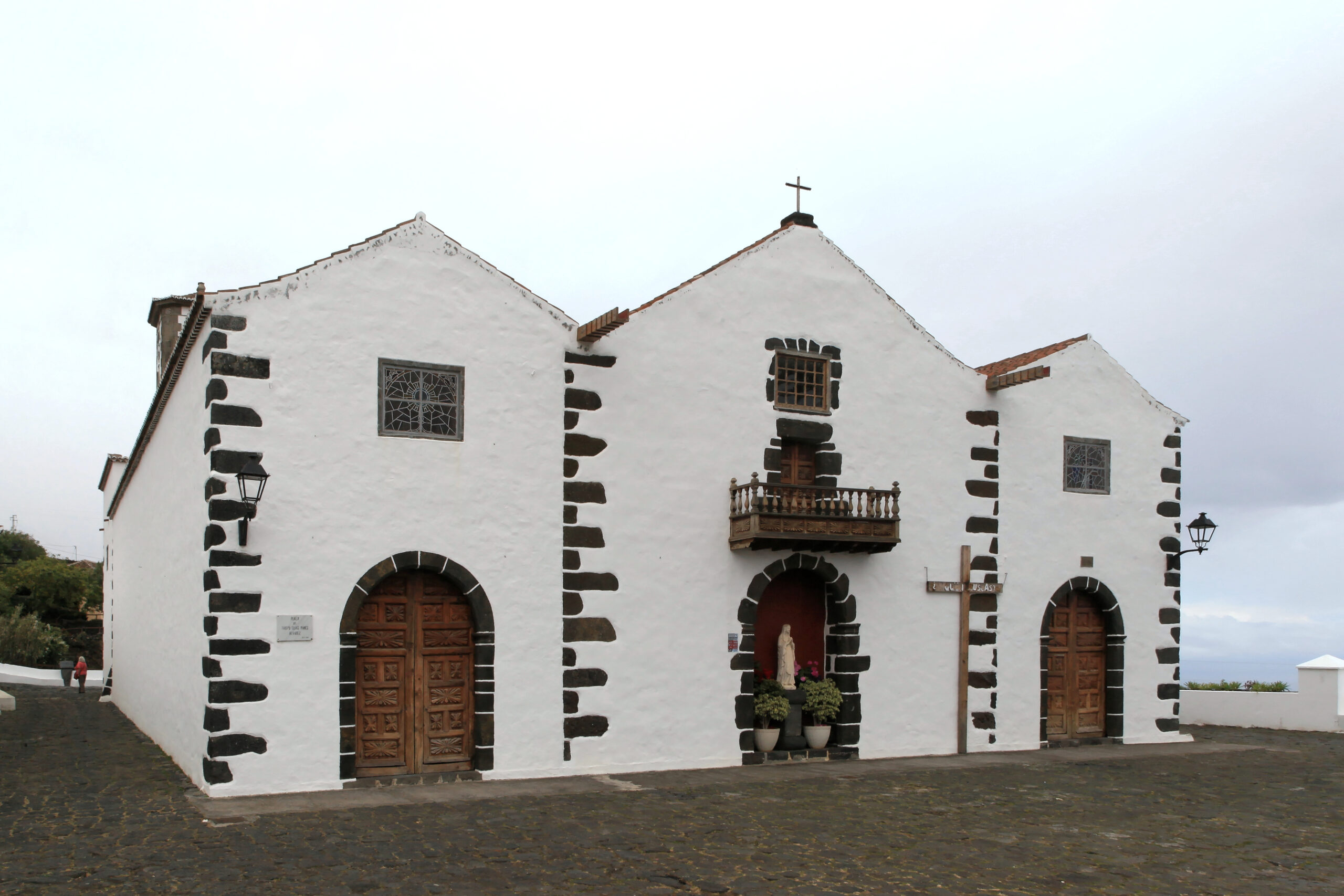
The Corpus Christi de Villa de Mazo is the municipality's most important festival and one of the most singular in all of Canary Islands. Its origins go back to 1605, when the first Corpus procession was held following the blessing of the Iglesia de San Blas. Since then, every year in June, the municipality's residents build large wood and iron arches which they decorate with flowers, moss, branches and leaves along the town's streets. The result is a walk of beautifully decorated plant arches accompanying the procession of the Blessed Sacrament.
Because of this, in 1985 the Secretaría General de Turismo declared it a National Tourist Interest Festival. The Museo del Corpus holds documentation, embroidery and historic photographs about the festival. Another much-loved popular event is the Borrachito Fogatero, also declared of Tourist Interest: a figure seated on a wine barrel that shoots off fireworks, accompanied by a parade of Giants and Big Heads.
Palma craftwork
Villa de Mazo is the quintessential craft municipality of La Palma. Its workshops produce three types of craftwork recognised across the island: the bordados y calados palmeros, of great quality and historic tradition; the cerámica, made at the municipality's Molino de Cerámica ; and the puros artesanales, which visitors seek out as a characteristic local product. The
The Centro de Exposición y Venta de Artesanía brings together pieces from local producers with a guarantee of origin. The Escuela de Artesanía lets you watch baskets, embroidery and other pieces being made live. In addition, the farmers market, held on Saturdays and Sundays, brings together local farmers, herders and craftspeople with seasonal produce, Canarian black bee honey, artisan goat cheeses and traditional pastries.
The Cueva de Belmaco
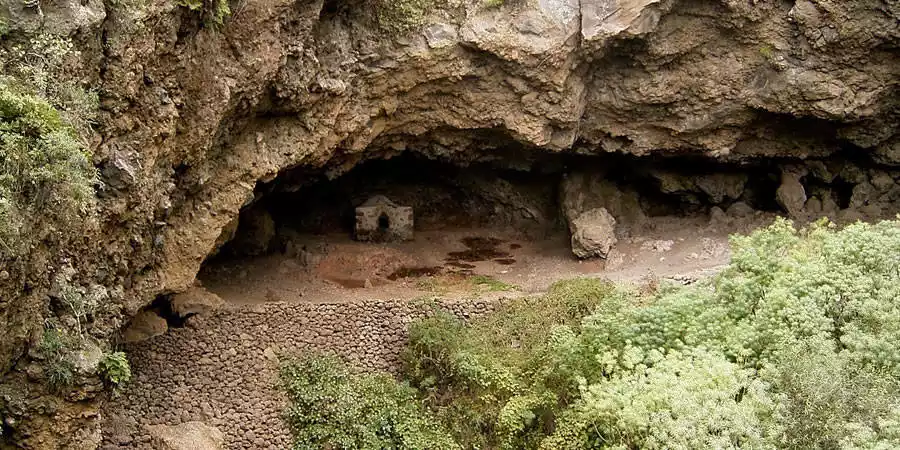
The Parque Arqueológico de la Cueva de Belmaco is one of the most important sites in Canary Islands. In 1752, military governor Domingo Van de Walle de Cervellón discovered here the first petroglyphs in the Canary Islands. The archaeological complex is made up of ten natural dwelling caves and four panels of rock engravings with spirals, circles and winding lines. The benahoaritas, the aborigines of La Palmalived in these caves, and according to local tradition it was the residence of the last kings of the Tigalate-Mazo canton.
It was declared a Historic-Artistic Monument in 1986in. The park's interpretation centre includes models, documents, audiovisual material and archaeological reproductions that help explain the meaning of the engravings and the life of the first Palma islanders.
La Salemera and the coast
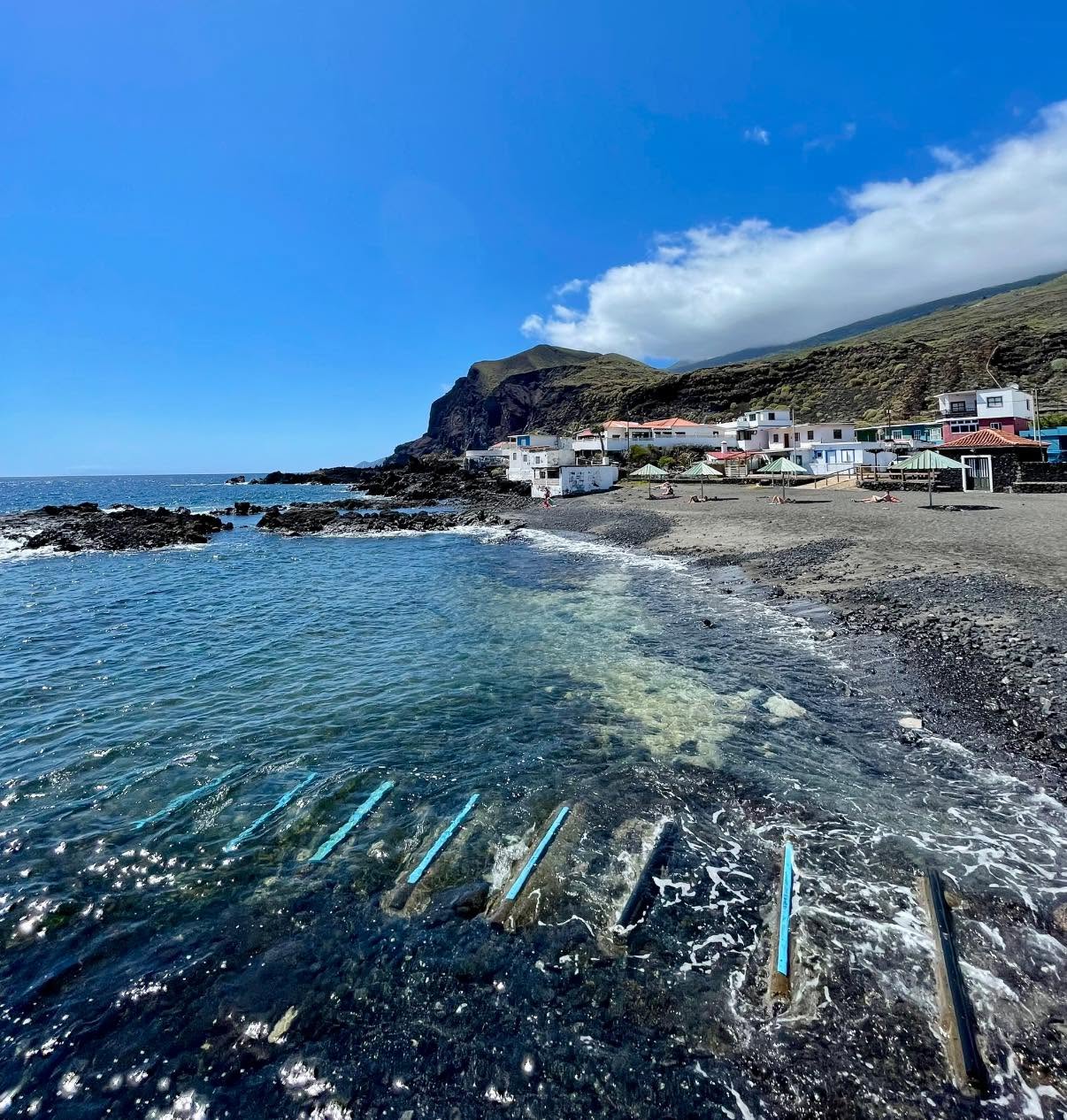
The coast of Villa de Mazo has no large sandy beaches, but rather a volcanic coastline of rock pools, coves and natural swimming spots. The Salemera is the municipality's best-known and most loved coastal spot. Its volcanic rock pools and its large pool at the end of the walk are ideal for swimming and snorkelling. Walking through the area also reveals traditional fishing districts such as El Burro, La Cangrejea and El Pozo, with fishermen's houses and a very authentic atmosphere far from mass tourism.
At the southern tip of the municipality stands the Faro de Arenas Blancas, a modern lighthouse with views of the ocean and the coastline linking Villa de Mazo with Fuencaliente.
The wines of Hoyo de Mazo
The winemaking tradition of Villa de Mazo is well established in the municipality. The wines of Hoyo de Mazo, produced by small family wineries in the area, are famous throughout La Palma for their character and personality. The landscape of vineyards among vegetation-covered volcanic cones gives these wines a stamp very much their own on the island. The negramoll grape — a native Palma variety — is the base of many of these local red wines.
Gastronomy in Villa de Mazo
The cuisine of Villa de Mazo is the classic Palma cuisine: honest, made from local produce and unpretentious. The municipality's restaurants serve wrinkled potatoes with mojo palmero, fresh fish from the coast, watercress stew and grilled meats. In addition, the municipality's pastries are highly regarded: almendrados, Christmas roscas, pastelones and bizcochones are the most sought-after sweets. The Canarian black bee honey, produced by local beekeepers grouped under the Mieles de Taburientebrand, is another high-quality local product that can be bought at the farmers market.
How to get to Villa de Mazo
Villa de Mazo is in the southeast of La Palma, about 12 kilometres from Santa Cruz de La Palma via the LP-2 road (approximately 15-20 minutes by car). The La Palma Airport lies within the municipal boundaries, on the coastal strip, making Mazo the first municipality passengers see when arriving on the island. By public transport, several bus lines connect the municipality with the capital. Also check the Live cameras of La Palma to help you navigate the island.
Frequently asked questions about Villa de Mazo La Palma
When is the Corpus Christi in Villa de Mazo?
The Corpus Christi de Mazo is held every year in June, with the exact date varying according to the liturgical calendar. Residents decorate the streets with large wood arches, flowers, moss and branches for the procession of the Blessed Sacrament. It was declared a National Tourist Interest Festival in 1985 and its origins go back to 1605.
What is the Cueva de Belmaco?
It is the first site with petroglyphs discovered in Canary Islands, found in 1752. The archaeological complex has ten dwelling caves and four panels of rock engravings made by the benahoaritas, the aborigines of La PalmaIt was declared a Historic-Artistic Monument in 1986 and has an interpretation centre with exhibitions and audiovisual material.
What craftwork can you buy in Villa de Mazo?
The municipality produces bordados y calados palmeros, cerámica made at the Molino de Cerámica and puros artesanales. The Centro de Exposición y Venta de Artesanía brings together pieces from local producers with a guarantee of origin. In addition, the farmers market on Saturdays and Sundays offers honey, cheeses and traditional pastries.
What is La Salemera in Mazo?
It is the municipality's most beloved coastal spot, with volcanic rock pools and a large natural pool at the end of the walk, ideal for swimming and snorkelling. The walk through the area passes fishing districts such as El Burro and La Cangrejea, with a local atmosphere far removed from mass tourism.
What are the wines of Hoyo de Mazo?
They are wines produced by small family wineries in the municipality, famous throughout La Palma. The negramollgrape, a native Palma variety, is the base of many of its reds. The landscape of vineyards among vegetation-covered volcanic cones gives these wines a character very much their own on the island.
How do you get to Villa de Mazo from La Palma Airport?
The La Palma Airport lies within the municipal boundaries of Villa de Mazo, on the coastal strip. From the terminal to the town's historic centre it's about 5-10 minutes by car via the LP-2 road. It is, therefore, the most accessible municipality in La Palma for those arriving by plane.