
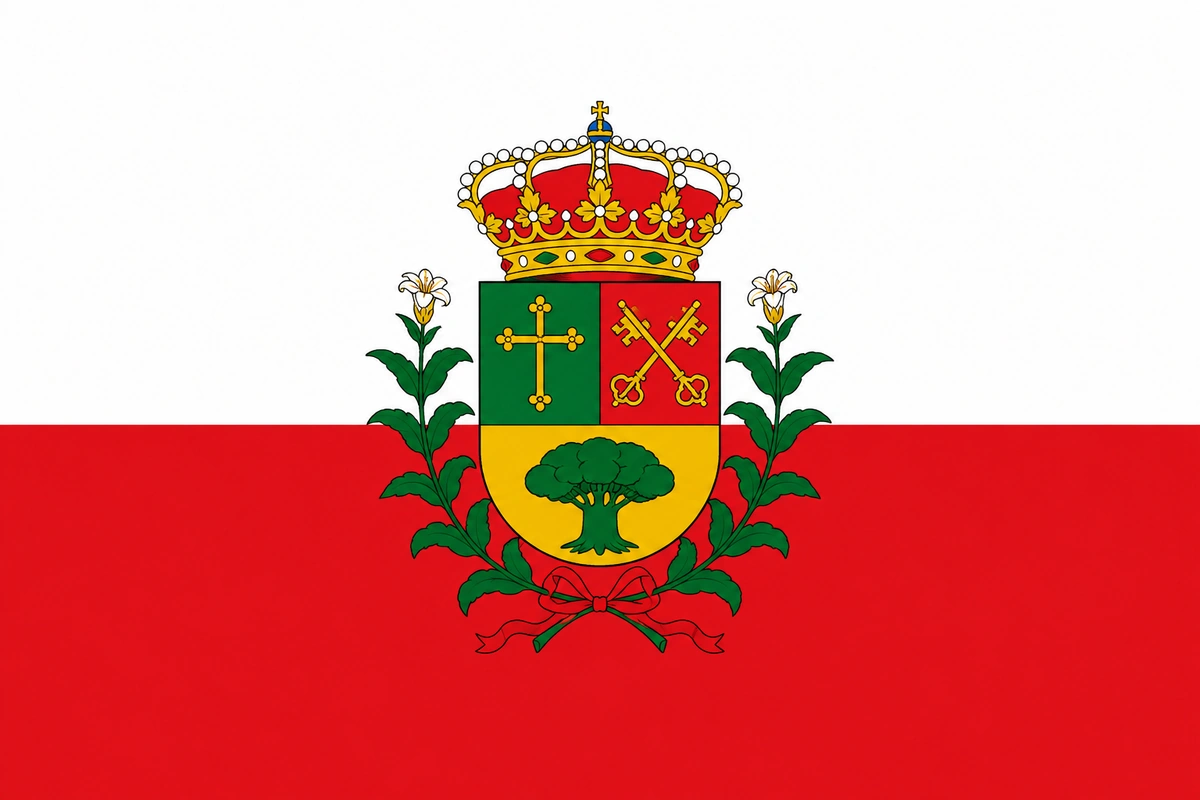
What to See in Breña Alta, La Palma
Tobacco tradition and the eastern midlands
Breña Alta La Palma, the tobacco valley and the viewpoint over the capital
Breña Alta is the municipality south of Santa Cruz de La Palma, on the island's east side. Together with Breña Baja, it forms the Valle de las Breñas, a fertile mid-altitude area with a rich history. In the 16th century, nobles and merchants from the capital built their summer estates here. Later, in the 19th century, emigrants returning from Cuba brought tobacco seeds and the techniques of the puro palmero, making the municipality a benchmark for that tradition. Today, Breña Alta also has the most spectacular viewpoint over Santa Cruz de La Palma and one of the island's best night skies. Check the Live cameras of La Palma and check the weather in real time.
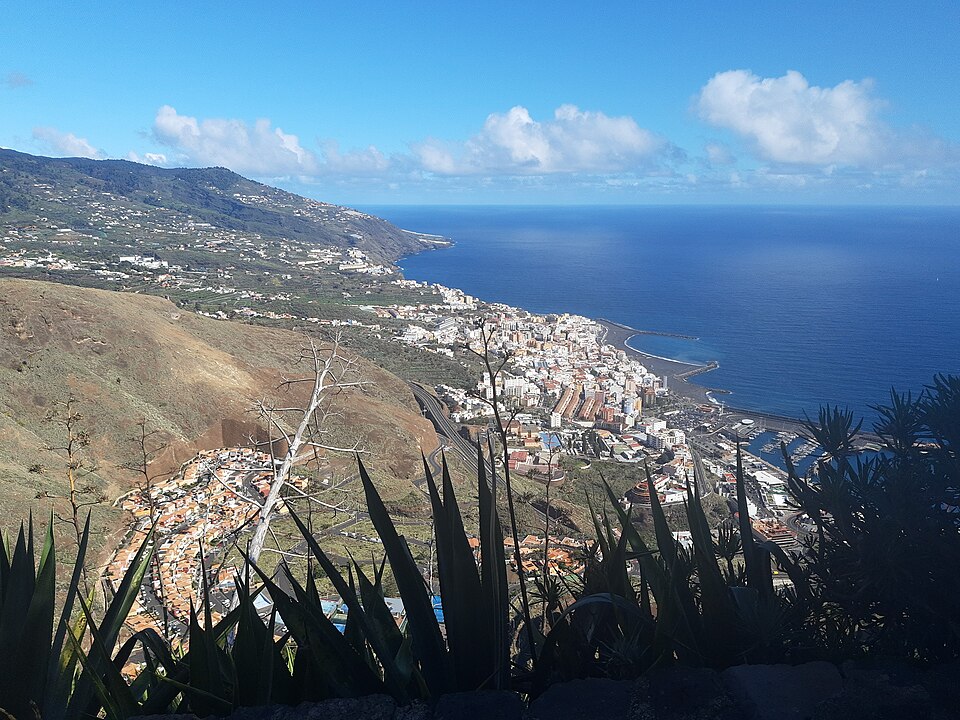
The Mirador de la Concepción
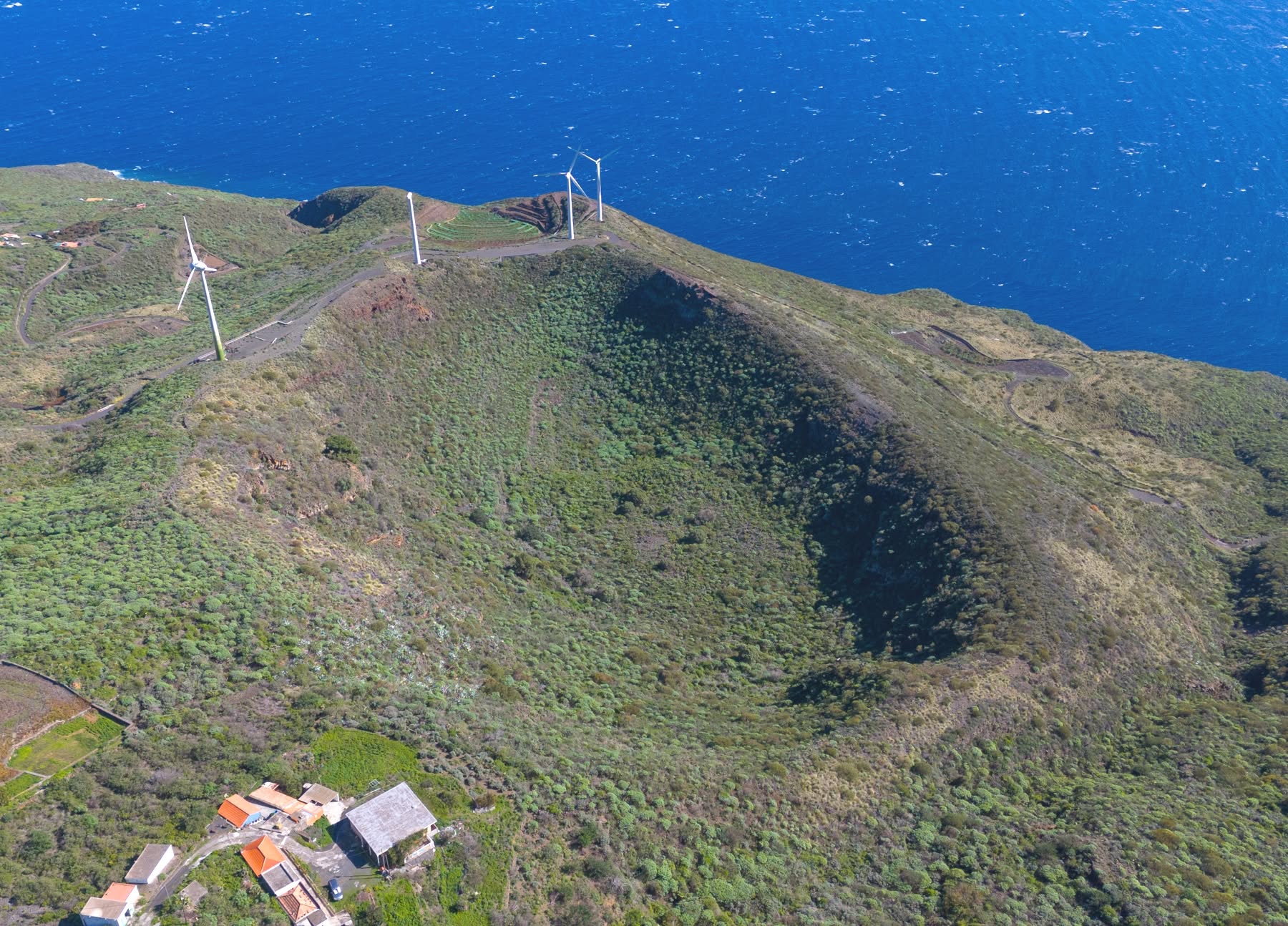
The Mirador de la Concepción is the municipality's most famous viewpoint. It sits about 300 metres above the sea, atop the hidrovolcán de La Caldereta, the largest volcanic crater in La Palma. From there you can see all of Santa Cruz de La Palma below, the island's east coast and, on clear days, the sea as far as Tenerife. It is therefore the most sought-after viewpoint for photographing the capital from above.
The climb to the viewpoint passes by the Plaza of the Immaculate Conception and the Ermita de Nuestra Señora de la Concepción, a 16th-century chapel in a quiet, wooded setting. The viewpoint is also a very active astrotourism spot. The AstroTour Isla Bonita association organises night observations from the Risco de la Concepción, taking advantage of the altitude and low light pollution there.
The Museo del Puro Palmero
The puro palmero is the best-known product of Breña Alta. Its history begins in the mid-19th century, when La Palma emigrants returning from Cuba brought tobacco seeds and artisan production techniques. Over time, the chinchales — small family workshops — multiplied across the municipality. In this way, the production of the puro palmero became a leading economic and cultural driver.
The Museo del Puro Palmero explains the whole process: from the seedbed and cultivation to fermentation, curing and hand rolling. Its rooms combine history, production and historical documents. The museum also tells the legend of the Dragos Gemelos, set in the San Isidrodistrict. The story revolves around two brothers who fought over the love of the same woman, with a tragic outcome. The woman planted two dragon trees in memory of them. Today, those dragon trees are still intertwined and can be visited in the district.
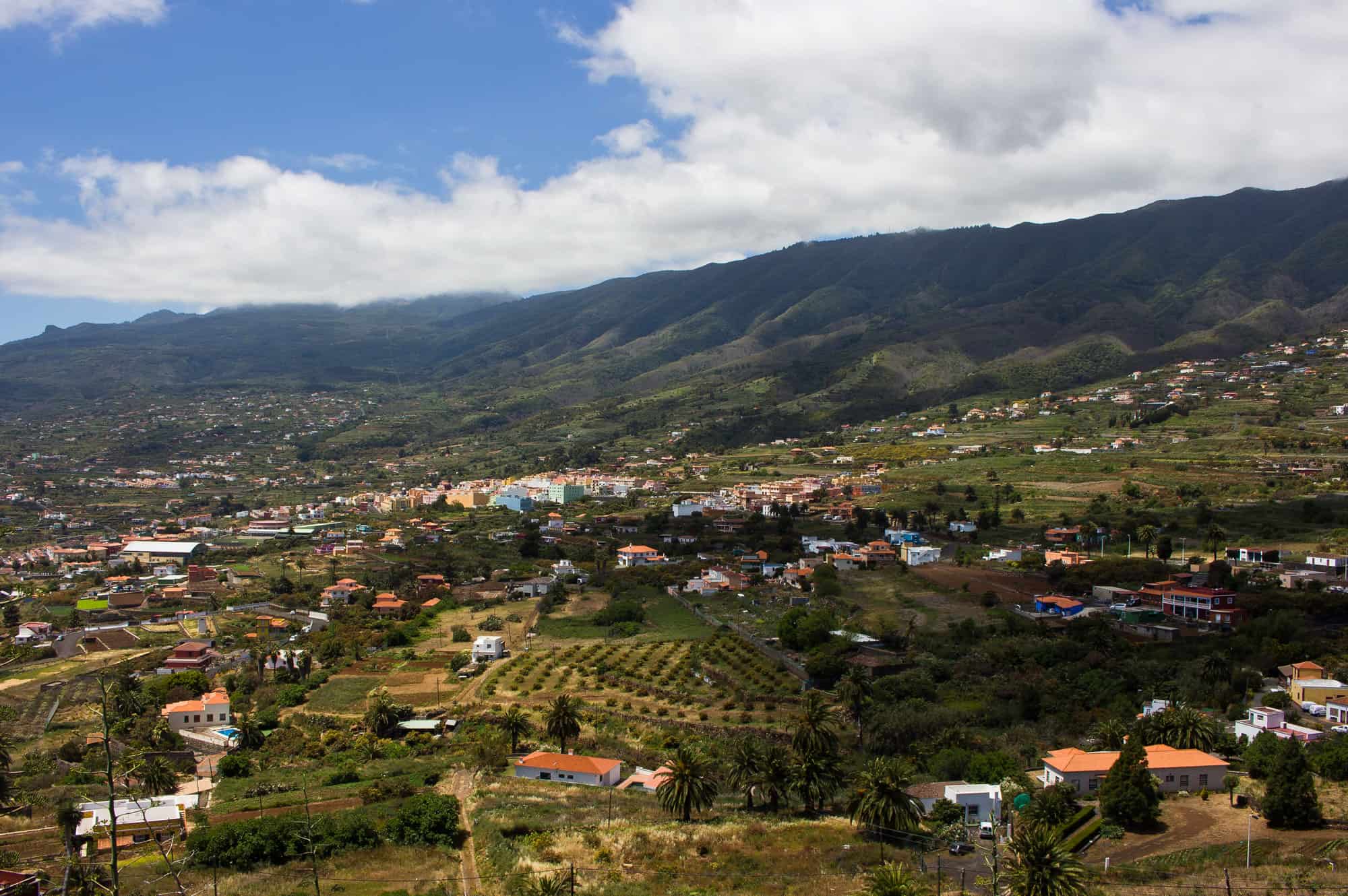
The Valle de las Breñas and the forests
The Valle de las Breñas is the municipality's most representative landscape. Its slopes combine banana, avocado, cereal and tobacco crops with traditional houses among terraces. Meanwhile, in the upper part, above 600 metres, forests of chestnut trees and laurisilva cover the eastern slope with dense, humid vegetation. In autumn, the golden colour of the chestnut trees turns the upper part of Breña Alta into one of the most photogenic spots in the east of the island. The
The zona recreativa de Pared Vieja, in the municipality's peaks, is a picnic and camping area in the pine forest, with barbecue pits and tables. It's also a regular weekend destination for families and groups.
The coast: Bajamar and the harbour
The coast of Breña Alta is short — a little over a kilometre — but lively. The Bajamardistrict, next to the harbour of Santa Cruz de La Palma, has a dark-sand beach and a quiet local atmosphere. The fishing harbour brings the district to life, and its restaurants serve the day's fresh catch. The coast is also part of the La Palma Marine Reserve, which guarantees the quality of its waters.
Festivals and traditions
The municipality's most important festivals are those of San Pedro Apóstol, the patron saint of Breña Alta, celebrated on 29 June. Meanwhile, the Fiestas de la Santa Cruz bring together residents of the two Breñas and part of Mazo: each district decorates a cross with flowers and greenery in a colourful, highly participatory celebration.
In addition, in honour of Saint Michael, in late September, the municipality re-enacts the battle between good and evil with a street parade of Mascarones, fire runners and a theatrical appearance by the Devil. It is, without doubt, one of the most original festivals in the east of the island.
Gastronomy in Breña Alta
The gastronomy of Breña Alta is that of the mid-altitude Palma interior: honest and made from local produce. The restaurants serve wrinkled potatoes with mojosmoked Palma cheese, fresh fish from the harbour and country cooking. The Agromercado de Breña Alta, open Saturday mornings next to the Museo del Puro, brings together local producers with fruit, vegetables and craftwork. It's therefore a good place to buy puro palmero directly from the municipality's craftsmen.
How to get to Breña Alta
Breña Alta is only 3 kilometres from Santa Cruz de La Palma via the LP-2 road, about 5 minutes by car. From the La Palma Airport it's about 9 kilometres and between 10 and 15 minutes. By public transport, several bus lines connect the municipality with the capital with frequent departures throughout the day. It's also one of the most accessible municipalities in all of La Palma for anyone arriving at the airport. Also check the Live cameras of La Palma to help you navigate the island.
Frequently asked questions about Breña Alta La Palma
What is the Mirador de la Concepción in Breña Alta?
It is the municipality's most famous viewpoint, located about 300 metres above the sea atop the hidrovolcán de La Caldereta, the largest crater in La Palma. From there you can see all of Santa Cruz de La Palma below, the island's east coast and the sea as far as Tenerife. It is also a regular spot for night-time astronomical observation.
What is the puro palmero of Breña Alta?
It is an artisan cigar made with tobacco grown in the municipality, whose tradition came to La Palma with emigrants who returned from Cuba in the 19th century. The Museo del Puro Palmero explains the whole production process, from cultivation to hand rolling. It is one of the island's most beloved and recognisable products.
What is the legend of the Dragos Gemelos?
It is a La Palma legend set in the San Isidro, in Breña Altadistrict. It tells the story of two twin brothers who fought over the love of the same woman, with a tragic outcome. The woman planted two dragon trees in their memory, which remain intertwined and can be visited today in the district.
What are the Fiestas de la Santa Cruz de las Breñas?
They are traditional festivals in which each district of Breña Alta, Breña Baja and part of Mazo decorates a cross with flowers and greenery. It is a colourful, participatory celebration that brings together the municipalities of the east of the island around a deeply rooted tradition of great cultural value.
Is there a beach in Breña Alta?
The municipality has a small artificial dark-sand beach in the Bajamardistrict, next to the harbour of Santa Cruz de La Palma. The coast is part of the La Palma Marine Reserve and its waters are of good quality. The atmosphere is local and quiet.
How do you get to Breña Alta from La Palma Airport?
It's about 9 kilometres from the La Palma Airport, approximately 10-15 minutes by car via the LP-2 road. By bus, several lines connect the municipality with Santa Cruz de La Palma with frequent departures throughout the day. It is one of the closest and most accessible municipalities in the east of the island.