
What to see in Vega de San Mateo, Gran Canaria
Agricultural market and gateway to the mountains
Vega de San Mateo Gran Canaria, the agricultural heart of the midlands
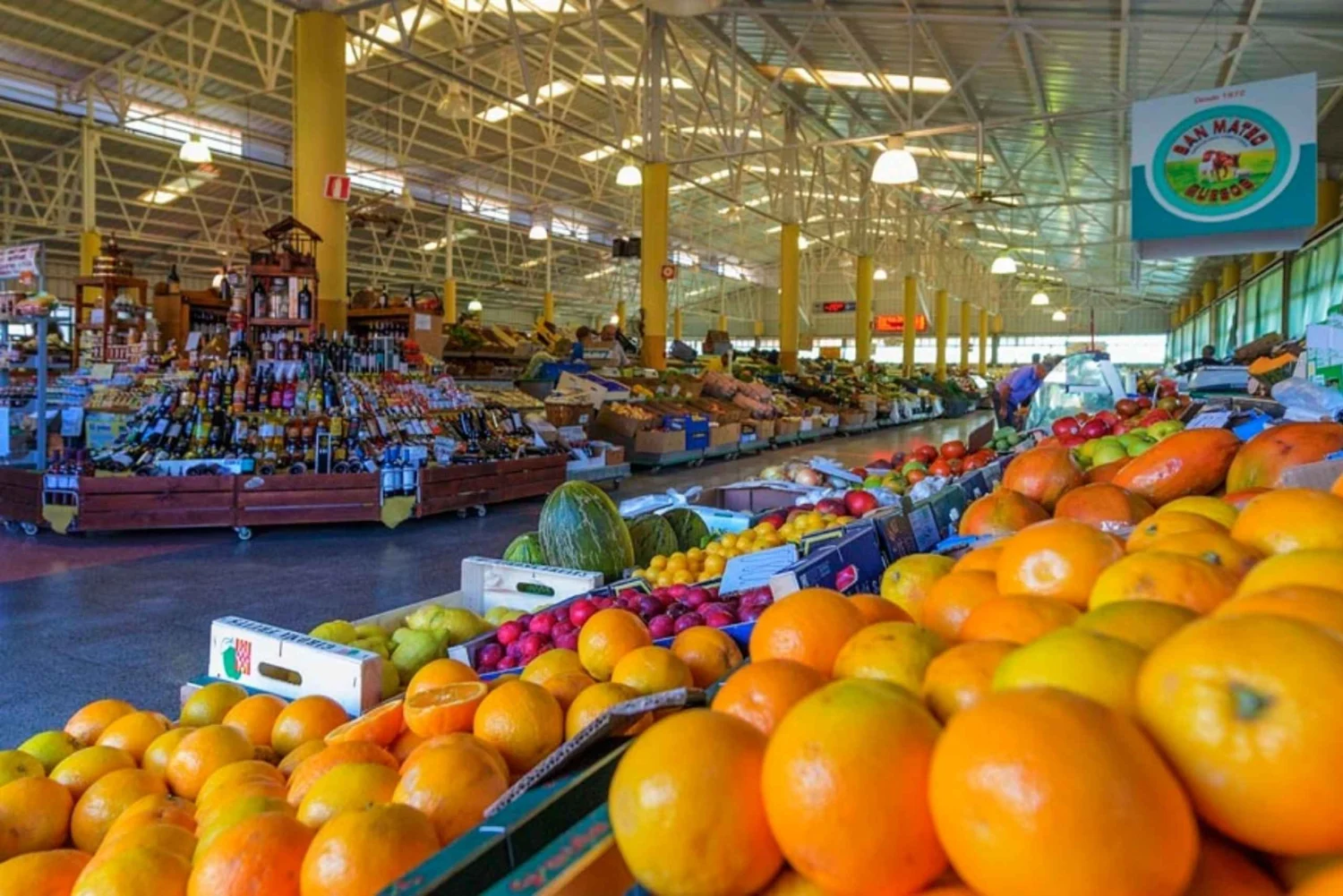
Vega de San Mateo is the municipality that best represents the Canarian rural world in the center of Gran Canaria. It is about 850 meters above sea level, on the windward slope of the interior of the island, where rainfall is more frequent and the land is more fertile. Thus, its landscape of gardens, vineyards, and chestnut trees contrasts with the arid coastal areas, making the municipality one of the greenest on the island. Its agricultural market is the most important in Gran Canaria and the main reason why thousands of people come every weekend from all over the island. Check the webcams of Gran Canaria and check the weather before visiting.
The Agricultural and Craft Market
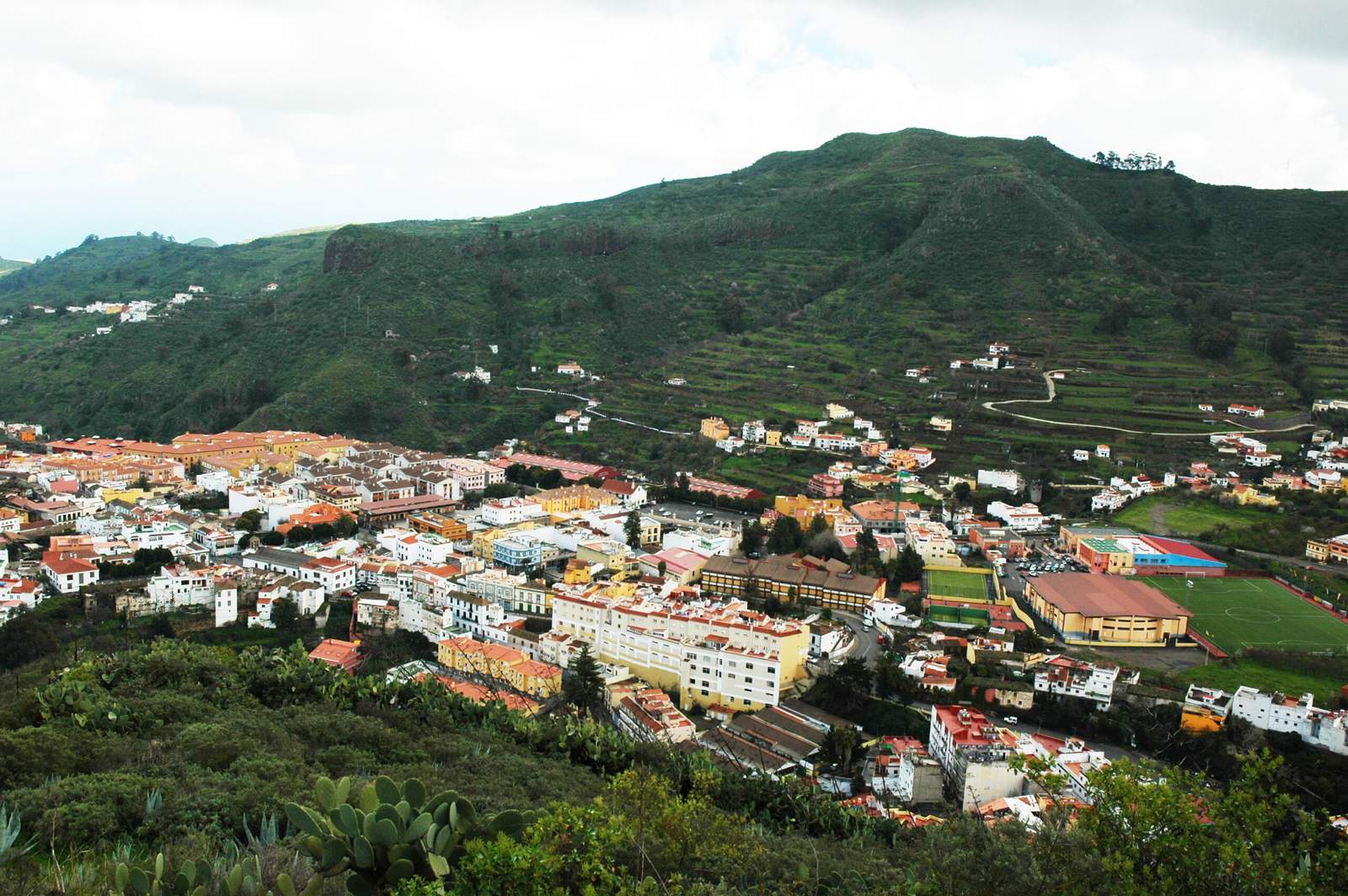
The Agricultural and Craft Market of Vega de San Mateo is the most well-known and visited in Gran Canaria. It is held on Saturdays from 8:00 to 20:00 and the Sundays from 8:00 to 15:00 throughout the year, without exceptions. Farmers and ranchers from the municipality and the midlands sell directly to the public without intermediaries: seasonal fruits, fresh vegetables, colorful potatoes, honey, artisanal cheeses, cold cuts, and Canarian pastries. Hence, it is the place to buy the freshest and most authentic products from the interior of the island.
In addition to the food sales area, the market has a section for handicrafts featuring ceramics, textiles, jewelry, and wooden pieces created by local artisans. The atmosphere of the market is very lively, and the time spent there is enjoyed by both visitors and the neighboring residents.
The historic center and the Church of San Mateo Apostol
The historic center of Vega de San Mateo has the tranquil charm of the midlands villages of Gran Canaria. Its cobbled streets, houses with moss on the roofs, and the Caldereta Street — a pedestrian street with traditional Canarian-style houses — create a village atmosphere that the coast has long lost. The Town Hall Square, with sculptures distributed throughout the space, and the Plaza de la Solidaridad are the two meeting centers of the village.
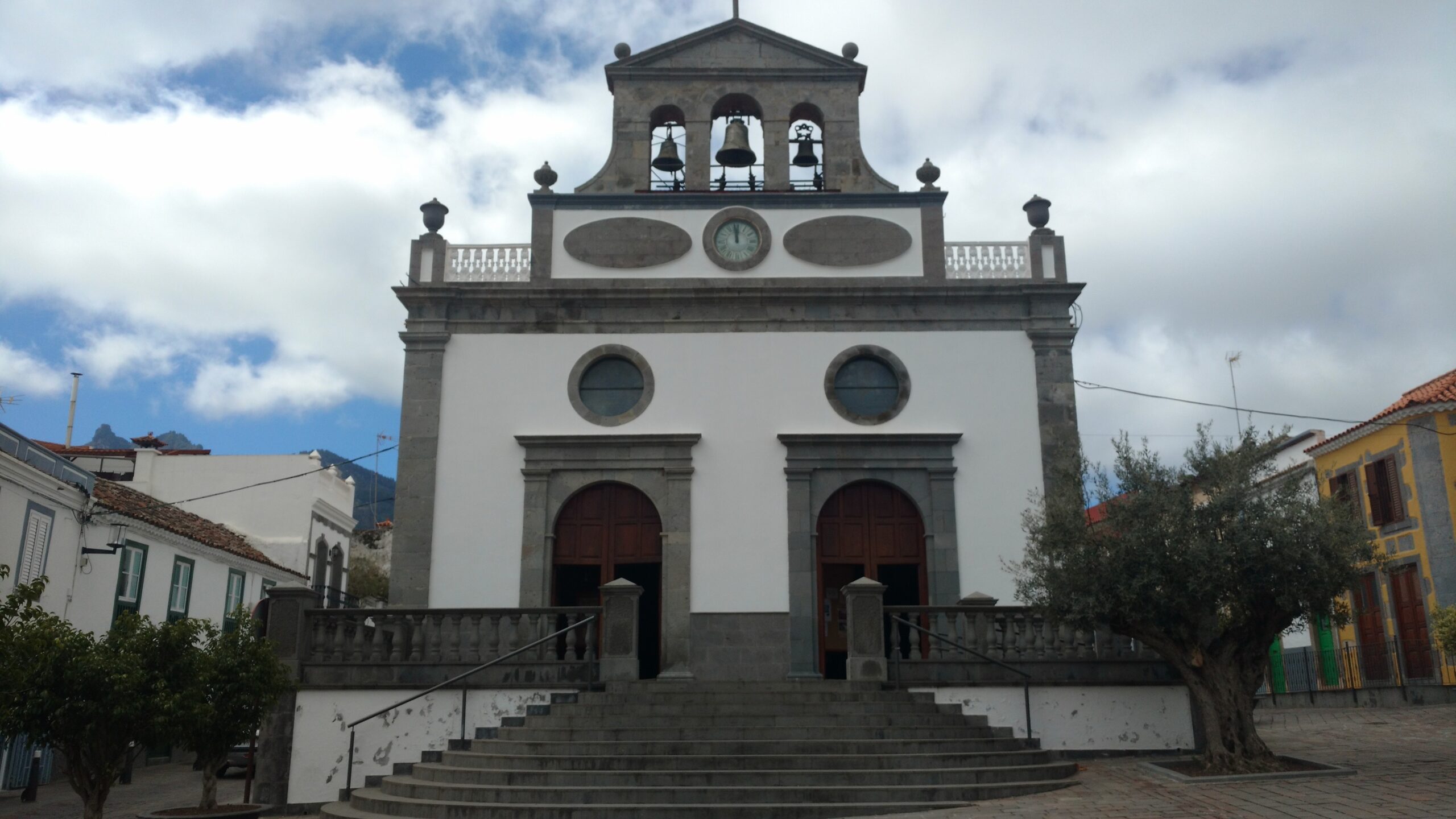
The Church of San Mateo Apostol presides over the historic center. It is a 19th-century building with a mix of styles — classicism, academia, and Moorish — partly designed by the prominent Gran Canarian artist José Luján Pérez. Its bell tower, added years later, was financed by Canarian emigrants from San Mateo who lived in Cuba, who also sent the bell from Havana. It is also a symbol of the historical bond between the municipality and Canarian emigration to America.
The Pozo de las Nieves and the summits
In the upper part of the municipality, near the summit of Gran Canaria, are the Pozos de las Nieves. They are historical constructions where, before the advent of refrigerators, winter snow was stored for later transport to Las Palmas de Gran Canaria, where it was consumed as sorbets and ice creams. One of the wells has been restored and is open for visits. From there, the views over the Protected Landscape of the Cumbres are extraordinary.
The Pico de las Nieves, the highest point of Gran Canaria with 1,949 meters, lies at the edge of the municipality. Therefore, Vega de San Mateo it is one of the best starting points to climb to the summit and access the trails of the natural reserve of the summits.
Astrotourism and night sky
Vega de San Mateo is one of the best municipalities in Gran Canaria for astronomical observation. Its altitude, the little light pollution of the interior of the island, and the clarity of the air in the midlands create exceptional conditions for stargazing. Thus, the municipality has developed an offer of astrotourism with guided nocturnal routes and designated observation points. It is also one of the most valued municipalities by astronomy enthusiasts in Gran Canaria.
José Martí and the connection with Cuba
Vega de San Mateo holds a surprising historical bond with Cuba: the maternal grandfather of the Cuban liberator José Martí was from the municipality. Therefore, the connection between San Mateo and Canarian emigration to America is particularly intense. The tradition of Los Indianos — emigrants who returned from America with fortune — is celebrated in the neighborhood of Las Lagunetas with the oldest festival of its kind in Canary Islands.
Gastronomy in Vega de San Mateo
The gastronomy of Vega de San Mateo is directly from its garden and livestock. The soft cheese from San Mateo is one of the most valued in Gran Canaria: fresh, soft, and with a taste very characteristic of the humid midlands of the center of the island. Additionally, the wines from local wineries are of great quality due to the cool microclimate of the municipality. Restaurants serve Canarian black pig in all its forms — marinated, grilled, in ribs — vegetable stews, scalded gofio and desserts from bienmesabe, leche frita, and frangollo. All with ingredients that in many cases come directly from the municipality's market.
How to get to Vega de San Mateo
Vega de San Mateo is in the center of Gran Canaria, about 22 kilometers from Las Palmas de Gran Canaria via the GC-15 road (approximately 30-35 minutes by car). From the Gran Canaria airport it is about 35 kilometers and 40-45 minutes. The access road is inland with curves. To visit the market on weekends, it is advisable to arrive early as parking fills up. Also, check the map of the municipalities of Gran Canaria to help you navigate the island.
Frequently asked questions about Vega de San Mateo Gran Canaria
When is the San Mateo market in Gran Canaria?
The Agricultural and Craft Market of Vega de San Mateo is held every weekend of the year: the Saturdays from 8:00 to 20:00 and the Sundays from 8:00 to 15:00. It is the most important agricultural market in Gran Canaria and brings together local farmers and artisans who sell directly to the public without intermediaries.
What can be bought at the San Mateo market?
At the market, fresh fruits and vegetables from the local garden are sold, colorful potatoes, artisanal honey, soft cheese from San Mateo, cold cuts, wines from the midlands, and Canarian pastries. Additionally, there is a handicrafts section featuring ceramics, textiles, jewelry, and wooden pieces made by local artisans.
What are the Pozos de las Nieves in San Mateo?
They are historical constructions in the highlands of the municipality where winter snow was stored for transport to Las Palmas de Gran Canaria and consumed as sorbets and ice creams. One of the wells has been restored and can be visited. The views from there over the Protected Landscape of the Cumbres are spectacular.
What connection does Vega de San Mateo have with José Martí?
The maternal grandfather of the Cuban liberator José Martí was from Vega de San Mateo. Therefore, the municipality has a special bond with Canarian emigration to Cuba and celebrates the festival of Los Indianos in the neighborhood of Las Lagunetas, considered the oldest of its kind in Canary Islands.
Is San Mateo a good destination for astrotourism?
Yes. The altitude of the municipality, the low light pollution of the interior of Gran Canaria and the clarity of the air in the midlands create very good conditions for stargazing. The municipality has nocturnal astrotourism routes with guides and designated observation points.
How to get to San Mateo from Las Palmas de Gran Canaria?
It is about 22 kilometers via the GC-15 road, taking 30 to 35 minutes by car. To visit the market on weekends, it's advisable to arrive early as parking fills up quickly. There is no comfortable direct connection by public transport, so it is recommended to use your own car.